
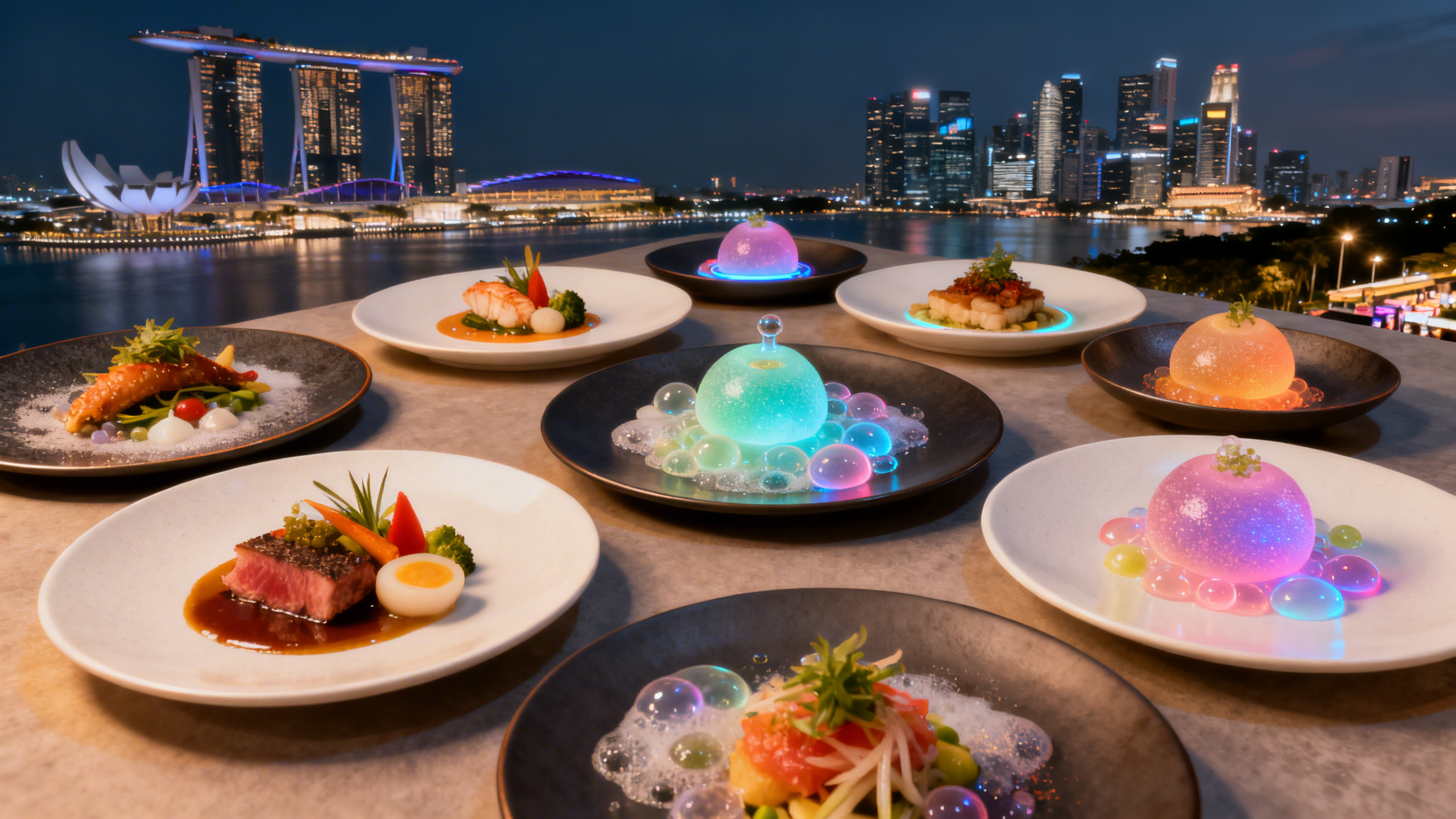
Introduction to Singapore’s Dynamic Culinary Scene in 2026
Singapore, known for its rich cultural tapestry and vibrant street food scene, continues to evolve as a global food hub in 2026. This bustling city-state expertly blends tradition and innovation, making it a captivating destination for food lovers worldwide. This year, Singapore’s food trends highlight a fusion of sustainability, technology, and health-conscious choices, reflecting global shifts while maintaining its unique culinary identity.
As a travel and food enthusiast who has explored Singapore extensively, I’ve witnessed firsthand how the city’s food culture embraces new trends without losing its deep-rooted heritage. In 2026, these trends offer a fresh perspective on how food is produced, prepared, and enjoyed in one of Asia’s most dynamic gastronomic capitals.
Sustainability Takes Center Stage
The focus on sustainability is more pronounced than ever in Singapore’s food scene this year. Restaurants and hawker stalls alike are adopting eco-friendly practices, from sourcing local ingredients to using biodegradable packaging. Notably, urban farming initiatives have surged, with vertical farms and rooftop gardens providing fresh, pesticide-free produce right in the heart of the city.
Examples of this shift can be seen in places like ComCrop and Sky Greens, which supply restaurants with hyper-local greens. This not only reduces carbon footprints but also ensures superior freshness and taste. Moreover, some eateries are pioneering the zero-waste movement, transforming food scraps into creative dishes or compost, highlighting Singapore’s commitment to environmental responsibility.
Technology-Driven Culinary Innovations
Technology is reshaping how Singaporeans experience food, with 2026 showcasing cutting-edge advancements in food preparation and service. Automated kitchens, AI-driven personalized menus, and drone deliveries are gaining popularity, offering convenience without compromising quality. For instance, AI chefs analyze customer preferences and nutritional needs to customize dishes in real-time, transforming dining into a highly personalized experience.
Additionally, plant-based and lab-grown alternatives are becoming mainstream. Several eateries now feature plant-based seafood and meat options, appealing to both vegans and flexitarians. Singapore is also a regional leader in food tech startups, with companies like Shiok Meats spearheading lab-grown crustaceans, presenting ethical and sustainable substitutes to traditional seafood.
Wellness and Health-Conscious Eating
The wellness trend continues its upward trajectory in Singapore, with 2026 emphasizing holistic, nutritious eating. More consumers are gravitating towards superfoods, functional ingredients, and balanced meals that cater to specific dietary requirements. Popular dishes include those enriched with adaptogens, collagen, and fermented foods, known for their health benefits.
Restaurants and cafes now offer menus tailored to various lifestyles, such as keto, paleo, and plant-forward diets, ensuring that healthy options never mean sacrificing flavor. This trend also reflects Singapore’s aging population and their increasing focus on longevity and quality of life, encouraging culinary businesses to innovate in nutrition-focused cuisine.
Celebrating Local Heritage with Modern Twists
Despite all the innovations, Singapore’s culinary scene remains deeply respectful to its roots. Traditional recipes from the Malay, Chinese, Indian, and Peranakan communities are being reinvented with contemporary influences, preserving cultural heritage while appealing to modern palates. Signature dishes like laksa, Hainanese chicken rice, and rojak are being reimagined using new techniques and ingredients.
For example, some chefs are incorporating molecular gastronomy to deconstruct classic dishes, offering diners an interactive and multisensory experience. This balance between old and new is a testament to Singapore’s culinary resilience and creativity, ensuring its food heritage thrives alongside innovation.
What to Expect When Visiting Singapore in 2026
For travelers visiting Singapore this year, the culinary scene offers a feast for the senses. From hawker centers embracing sustainable practices to high-end restaurants showcasing technology-driven dining, there is something for every type of food lover. Engaging food tours now include visits to urban farms and food tech labs, providing a behind-the-scenes look at the future of food.
Exploring night markets, tasting fusion dishes, and enjoying personalized dining experiences will be highlights for many visitors. The key to enjoying Singapore’s evolving food landscape is embracing the diversity and innovation that this city so uniquely offers.
Conclusion
Singapore’s food trends in 2026 capture the essence of a city at the crossroads of tradition and future-facing innovation. The focus on sustainability, technology, health, and heritage underscores a culinary journey that is as thoughtful as it is delicious. For anyone passionate about food and culture, experiencing Singapore’s evolving gastronomy this year is an enriching and unforgettable adventure.