
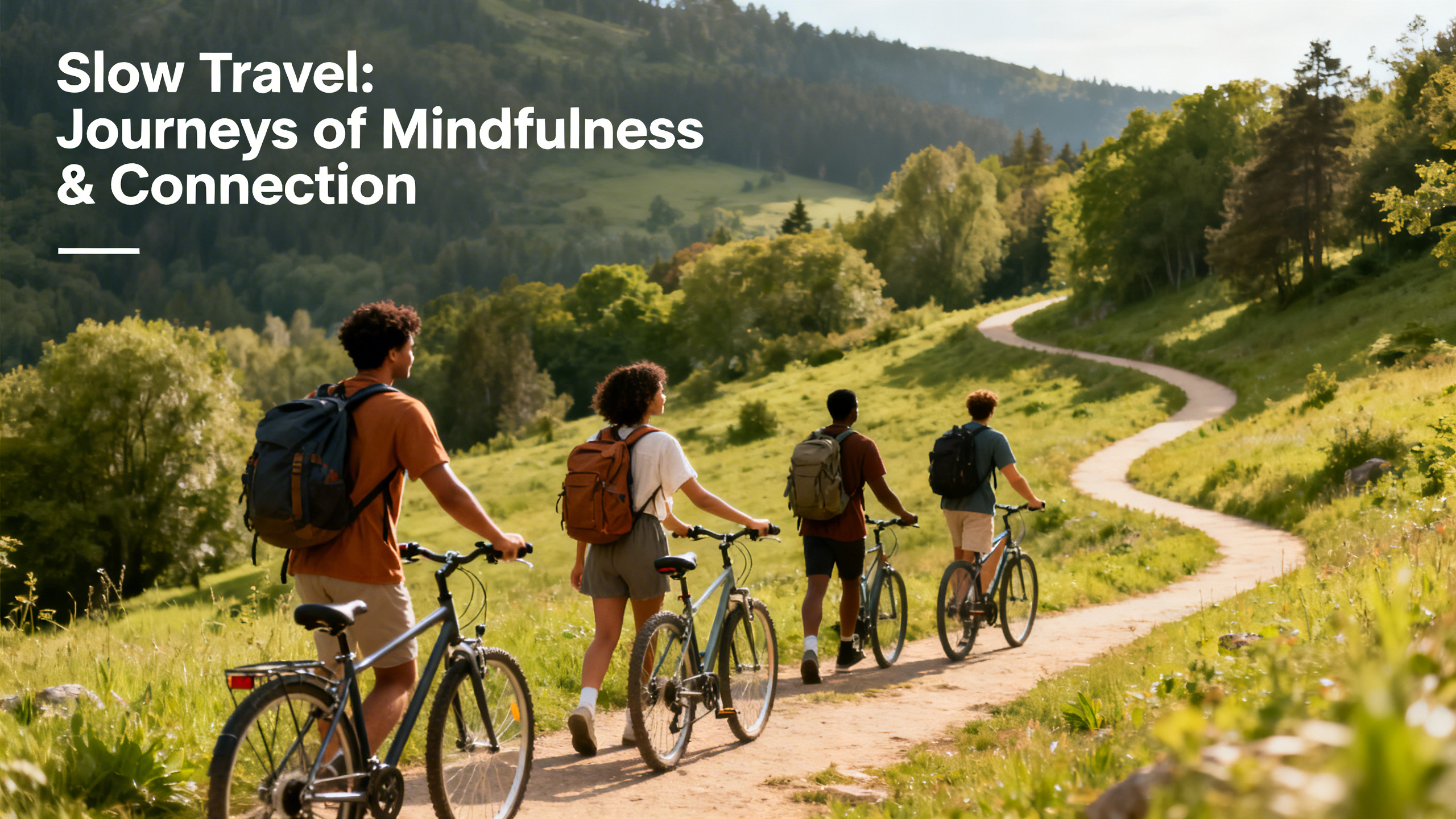
Understanding the Philosophy of Slow Travel
In 2026, slow travel has become more than just a trend; it is a deliberate lifestyle choice that prioritizes quality over quantity. Unlike traditional travel, which often involves rushing through landmarks and ticking boxes, slow travel encourages immersion in the local culture, environment, and rhythms of the place you visit. This approach allows travelers to forge deeper connections with destinations, fostering authentic experiences that go beyond surface-level tourism.
For example, instead of hopping between cities on a tight schedule, slow travelers might choose to stay weeks in a single village or town. This provides the opportunity to participate in community events, learn local crafts, and savor regional cuisine. Slow travel aligns with values of sustainability and mindfulness, offering a meaningful alternative to fast-paced exploration.
How to Plan a Slow Travel Journey in 2026
Planning for slow travel necessitates a shift in mindset and strategy. Firstly, choose your destination carefully. Opt for places rich in culture and nature that reward deeper exploration rather than those best seen in a quick snapshot. Consider off-the-beaten-path locations where you can live like a local.
Accommodation plays a crucial role in slow travel. Instead of hotels, look for homestays, guesthouses, or rentals that put you in the heart of the community. Such options often provide more authentic insights into daily life and foster interpersonal connections with hosts and neighbors.
Transportation during your journey should also reflect the slow travel ethos. Limiting flights and choosing local trains, buses, bicycles, or even walking not only reduces your carbon footprint but also enhances your sensory experience of the area. For example, cycling across Tuscany’s countryside or taking a scenic train through the Scottish Highlands allows you to absorb the landscapes and interact with locals along the way.
Experiencing Local Culture and Building Connections
Slow travel’s core value is deep cultural immersion. This means actively engaging with local people and traditions. Join cooking classes to master regional dishes, attend cultural festivals, or volunteer for community projects. Activities like these enrich your understanding of a place and build enduring memories.
For instance, travelers spending time in a Japanese town might participate in tea ceremonies or learn calligraphy, while those in a small Brazilian village could join samba workshops or local market days. These experiences foster empathy and bridge cultural gaps, making your journey truly transformative.
Benefits of Slow Travel for Mind, Body, and Planet
Slow travel offers holistic benefits. Mentally, it reduces travel stress by eliminating the rush and pressure to see everything at once. Physically, choosing low-impact transportation promotes wellness through walking or cycling. Emotionally, meaningful interactions and experiences create lasting satisfaction and personal growth.
Environmentally, slower travel methods substantially lower carbon emissions compared to frequent flights or fast-moving vehicles. Supporting local businesses and crafts also reinforces sustainable economies, helping preserve the unique character of destinations.
Tips for Embracing Slow Travel in 2026
- Be patient: Allow ample time to explore and absorb each place without hurry.
- Disconnect digitally: Limit screen time to engage more fully with your surroundings and locals.
- Pack light: Traveling lighter increases mobility and encourages spontaneous discoveries.
- Learn basic local language: Even simple greetings or phrases open doors to warm interactions.
- Support local economy: Buy from local artisans, eat locally sourced meals, and attend community events.
By embracing these principles, your travel in 2026 can transcend mere sightseeing and become a journey of enrichment, connection, and personal transformation. Slow travel is not just about where you go, but about how you experience the world—and in this thoughtful approach lies the promise of truly meaningful journeys.