
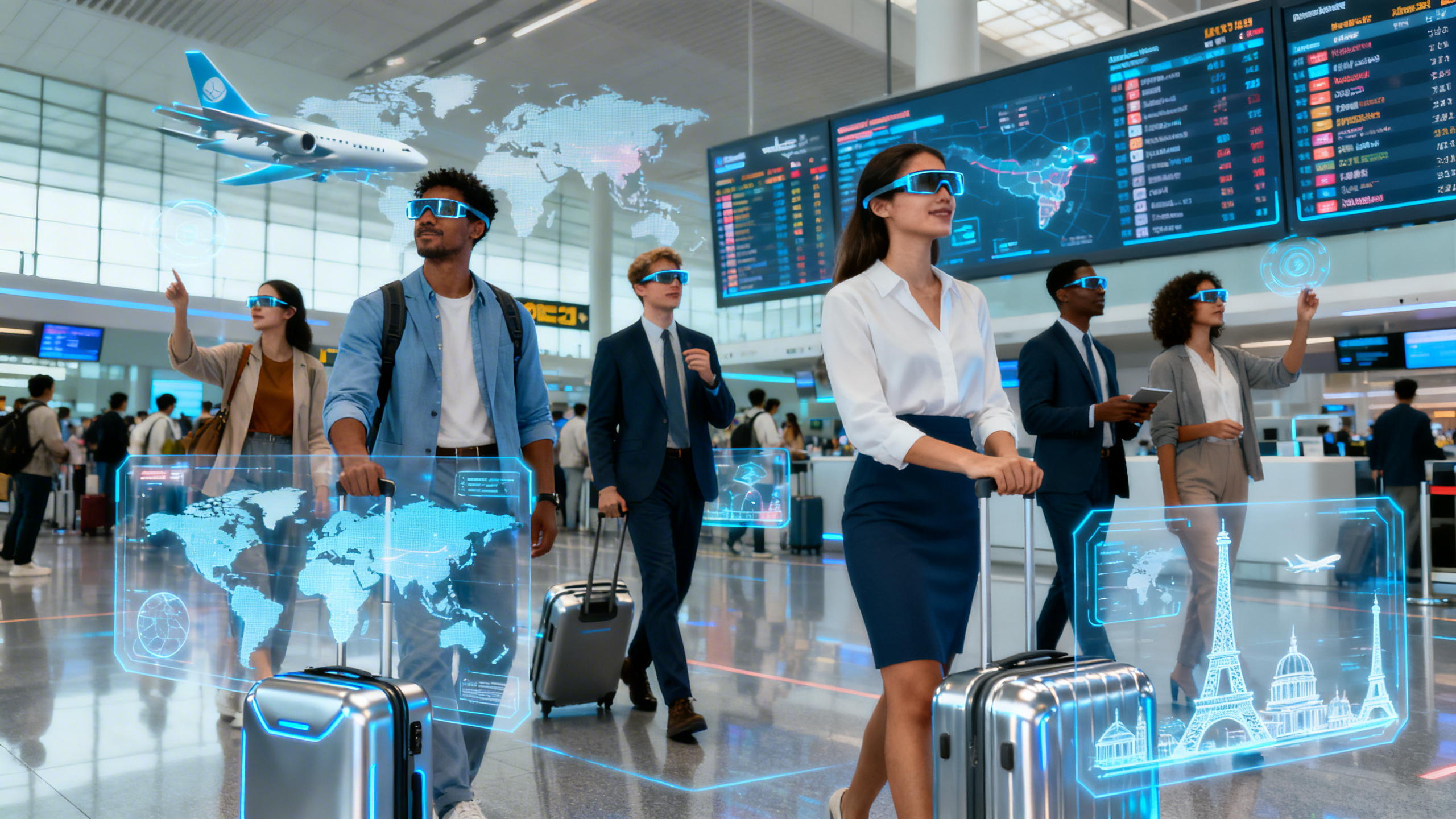
Introduction to 2026 Travel Trends
Travel in 2026 is evolving at an unprecedented pace, shaped by technological advances, shifting global priorities, and new cultural appreciations. As a seasoned travel enthusiast, I’ve observed how these changes are not just trends but transformative shifts redefining how we explore the world. This year emphasizes sustainable travel, immersive cultural experiences, and the seamless integration of technology, making journeys more personalized and meaningful than ever.
One cannot simply skim through these trends without understanding their broader impact. Travel is no longer just about ticking destinations off a list. It’s about creating deeper connections, respecting environments, and leveraging technology to enhance, not replace, the human experience. This guide is designed to dive deep into the essentials of modern exploration in 2026, providing practical insights and inspiring ideas rooted in firsthand experience and industry expertise.
Sustainable and Responsible Travel
Sustainability in travel has transcended its niche status to become a core value in 2026. Awareness around environmental impact has prompted travelers to seek eco-friendly accommodations, low-impact activities, and destinations committed to preserving natural beauty and biodiversity. For instance, Costa Rica continues to lead with its extensive network of eco-lodges and conservation projects, offering tourists a chance to contribute positively while enjoying breathtaking nature.
Responsible tourism also includes respecting local communities and cultures. This means choosing tours led by local guides who provide genuine insights and support to their communities. A powerful example comes from Bhutan, where the government’s policy of high-value, low-impact tourism ensures that the influx of tourists benefits the country without overwhelming its unique culture and environment. As travelers, embracing these practices enriches our experiences and leaves a positive legacy.
Technology-Driven Personalization
The rise of artificial intelligence and smart devices has dramatically changed how we plan and experience travel. In 2026, AI-powered travel assistants offer hyper-personalized recommendations based on individual preferences, past trips, and real-time data. Apps that customize itineraries on the fly, suggest hidden gems, and optimize transport options are now indispensable tools for savvy explorers.
Moreover, augmented reality (AR) and virtual reality (VR) have started to enhance pre-trip planning and on-site experiences. Imagine walking through the ruins of Pompeii with an AR overlay that reconstructs the ancient city in real-time, or previewing a hiking trail’s difficulty and viewpoints via VR before embarking. This intersection of technology and travel deepens engagement and accessibility, offering novel ways to connect with places.
Authentic Cultural Immersion
Modern travelers crave authenticity more than ever. 2026 sees a surge in demand for experiences that go beyond typical tourist attractions to truly understand and participate in local life. This could mean cooking classes with local chefs in Italy, traditional weaving workshops in Peru, or community-led conservation projects in Southeast Asia.
Such immersive encounters not only enrich our travels but also promote cultural exchange and mutual respect. They offer a context that turns vacations into life-changing journeys. For example, spending time in a Japanese ryokan (traditional inn) and partaking in a tea ceremony opens up a world of customs and values unattainable through casual visits. These deeply rooted experiences define the quintessence of modern travel.
Flexible and Slow Travel
Flexibility has become a hallmark of 2026 travel trends. With remote work now widespread, many are blending work and leisure, extending stays to dive deeper into local environments. This ‘slow travel’ approach encourages staying longer in fewer places, facilitating meaningful connections and mindful exploration.
Countries like Portugal and New Zealand have become hotspots for digital nomads who value not only scenic beauty but also quality of life. They invest in coworking spaces and community hubs that blend productivity with leisure. Embracing slow travel means we savor our surroundings, reduce carbon footprints by cutting down on flights, and foster well-being—highlighting travel’s evolving role in our lives.
Conclusion: Thriving as a Traveler in 2026
As we navigate the exciting landscape of 2026 travel, embracing these trends equips us to explore with purpose, curiosity, and respect. Sustainable choices keep destinations vibrant for future generations, technology personalizes and enhances our journeys, authentic cultural interactions deepen our understanding, and flexible travel styles nurture our mental and physical health.
Travel today is a powerful tool for growth, connection, and joy. By adopting these principles, we become modern explorers not just of destinations, but of cultures, technologies, and new ways of living. So pack your bags thoughtfully, plan smartly, and set off with an open heart to experience the world like never before.