
Introduction: The New Era of Travel in 2026
As we venture deeper into 2026, the world of travel is evolving at an unprecedented pace, shaped by technological advancements, environmental awareness, and a deepening desire for authentic experiences. Modern exploration is no longer just about visiting destinations; it’s about immersing oneself in cultures, seeking meaningful connections, and traveling with purpose. In this comprehensive guide, we delve into the defining travel trends of 2026 that every globetrotter should embrace to make their journeys more enriching, responsible, and unforgettable.
1. Sustainable and Regenerative Travel
In 2026, sustainability moves beyond a buzzword to a travel imperative. Travelers are increasingly conscious of their environmental footprint and the impact of tourism on local ecosystems. Sustainable travel focuses on conserving resources, supporting local economies, and minimizing waste, but regenerative travel takes it a step further by actively restoring and improving the places visited.
For example, visitors to Costa Rica are not only exploring its lush rainforests but engaging in reforestation projects to repair damaged habitats. Similarly, Iceland has introduced guidelines for tourists to help preserve its pristine landscapes while contributing to local conservation efforts. By choosing eco-friendly accommodations, participating in community-led tours, and respecting local customs, modern travelers can contribute positively to destinations they visit.
2. Tech-Enhanced Exploration: Seamlessness Meets Adventure
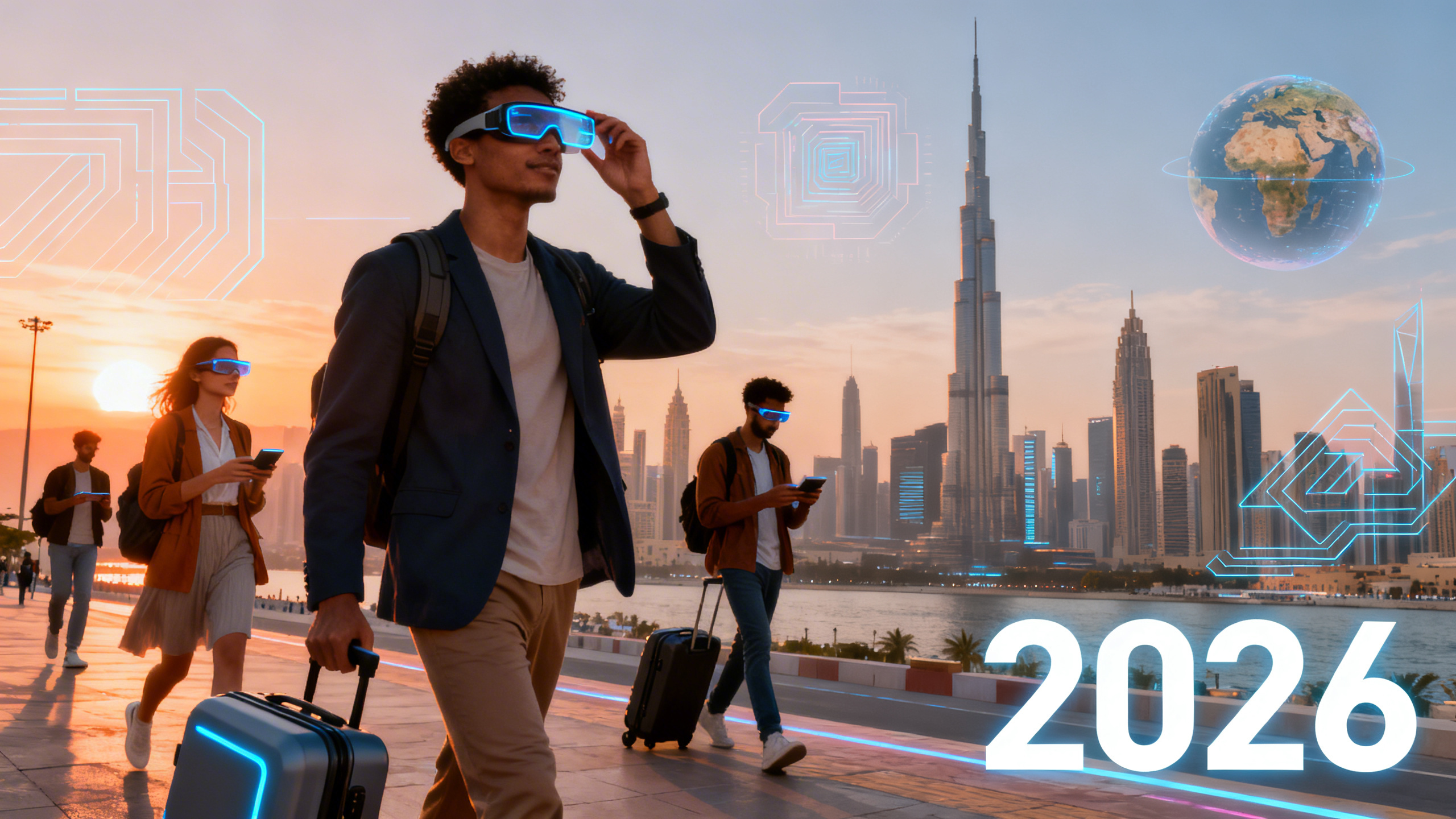
Technology in 2026 has revolutionized how we plan and experience travel. From AI-powered itinerary planners to augmented reality (AR) experiences at historical sites, tech is enhancing convenience and immersion. The rise of virtual reality (VR) previews allows travelers to explore destinations before arrival, helping them tailor trips to their preferences.
The integration of wearable devices and smart travel apps ensures real-time updates on weather, transportation, and language translation, making navigation in unfamiliar territories effortless. For instance, travelers in Japan can use AR glasses to provide historical context and cultural narratives as they walk through ancient temples. These innovations not only save time but deepen the connection between travelers and destinations, offering a seamless blend of adventure and information.
3. Personalized and Experiential Travel
Today’s traveler seeks more than sightseeing; they crave experiences that resonate personally and foster genuine cultural connections. Customized trips based on individual interests—whether culinary, artistic, or wellness-focused—are transforming travel itineraries. Boutique travel agencies and online platforms now offer hyper-personalized services to accommodate these desires.
In Italy, for instance, travelers can join private cooking classes that delve into regional recipes, followed by visits to local vineyards, creating a rich sensory journey. In Morocco, immersive home-stay experiences provide insights into traditional lifestyles, enhancing cultural appreciation. These deeply personal experiences create memories that last a lifetime while supporting local communities.
4. Remote Work and Travel: The Rise of Digital Nomadism
With remote work firmly embedded in post-pandemic life, 2026 sees a surge in digital nomads—professionals blending work and travel for extended periods. Destinations worldwide are adapting by offering reliable internet infrastructure, co-working spaces, and nomad-friendly visas to attract this growing demographic.
Places like Bali, Lisbon, and Medellín have become hotspots due to their vibrant cultures, affordability, and community support. This trend encourages longer, immersive stays, enabling remote workers to engage more deeply with local customs, cuisine, and landscapes. The interplay between work and exploration enriches the travel experience beyond traditional vacations, fostering global networks and cross-cultural understanding.
5. Wellness-Centered Journeys
Health and well-being are integral to travel experiences in 2026, with a rising focus on holistic wellness. Travelers are prioritizing mental health, relaxation, and physical rejuvenation through retreats, spa therapies, meditation, and nature immersion. Wellness tourism has expanded into diverse formats—from luxury spa resorts in the Swiss Alps to yoga retreats in the forests of Thailand.
For example, the town of Sedona, Arizona, is renowned for its energy vortexes that attract visitors seeking spiritual renewal alongside physical wellness. Similarly, hot spring resorts in Japan combine traditional bathing rituals with modern wellness facilities. This trend reflects a broader societal shift towards mindful living, encouraging travelers to nurture their bodies and minds while exploring the world.
Conclusion: Making 2026 Your Most Meaningful Travel Year Yet
Travel in 2026 is about blending excitement with responsibility, technology with authenticity, and adventure with well-being. These trends underscore a shift towards meaningful exploration that respects both people and the planet. By embracing sustainable practices, leveraging technology thoughtfully, seeking personalized experiences, balancing work and travel, and prioritizing wellness, travelers can unlock richer, more fulfilling journeys.
Whether you’re a seasoned explorer or planning your first adventure in 2026, these insights will empower you to travel smarter and deeper. Embrace the spirit of modern exploration and make every trip a transformative chapter in your life’s story.