
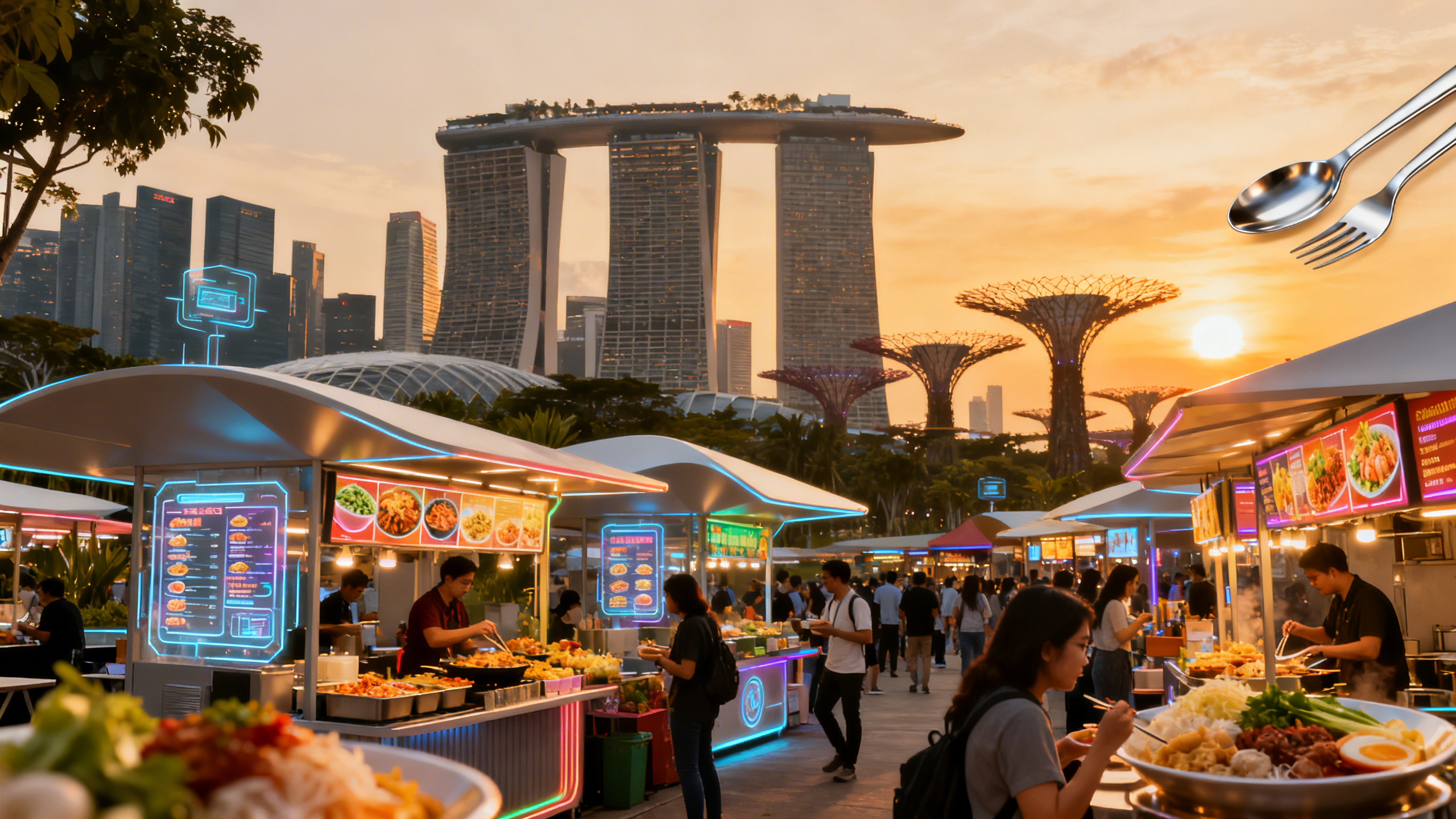
Introduction: A Global Culinary Hub in 2026
Singapore has long been celebrated as a gastronomic paradise, seamlessly blending diverse cultural influences into a vibrant food scene. In 2026, this city-state continues to captivate both locals and tourists with an evolving landscape that highlights innovation while honoring rich culinary traditions. From hawker centers to Michelin-starred establishments, Singapore’s food culture remains dynamic and full of surprises. This blog post dives deep into the top food trends of 2026 and highlights must-try experiences that will delight any food enthusiast visiting or residing in Singapore.
Trend 1: Sustainable and Plant-Based Cuisine
One of the most significant shifts in Singapore’s 2026 food scene is the widespread adoption of sustainable dining practices. This trend goes beyond a mere fad as restaurants and food vendors prioritize eco-friendly sourcing and plant-based ingredients. Singapore’s government and culinary artists have been collectively encouraging a shift towards reducing food waste and carbon footprints, catering to an increasingly health and environmentally conscious population.
For instance, vibrant plant-based eateries like Herbivore and The Vegan Joint offer innovative menus that attract both vegans and omnivores. These eateries experiment with tropical local fruits, vegetables, and protein alternatives such as jackfruit and pea protein, creating dishes that are both satisfying and sustainable. Diners can expect beautifully crafted meals in these restaurants that showcase the planet-friendly ethos without compromising on flavor or experience.
Trend 2: Revitalization of Hawker Culture
Singapore’s hawker centers remain the heart and soul of its food heritage. In 2026, there is a renewed interest in preserving and elevating hawker culture with a fresh twist. This includes modernization of traditional dishes infused with contemporary techniques or international flavors. Importantly, the government’s efforts, such as offering grants to hawkers for upgrading equipment and supporting youth to enter the hawker trade, have played a vital role in sustaining this culinary legacy.
Food stalls like Tian Tian Hainanese Chicken Rice and Outram’s famous Char Kway Teow continue to enthrall food lovers. Meanwhile, a new wave of hawkers incorporates artisanal ingredients and storytelling into their offerings. For example, some stalls blend Peranakan influences with Southeast Asian spices, crafting dishes that are both authentic and inventive. Experiencing hawker culture today means engaging with Singapore’s diverse heritage in a lively, community-centered atmosphere.
Trend 3: Tech-Enhanced Dining Experiences
Technology is transforming the way Singaporeans enjoy food. In 2026, interactive dining and tech-enhanced restaurant experiences have become increasingly common. From AI-driven personalized menus to augmented reality (AR) installations that tell the story behind each dish, diners are invited to engage on deeper sensory and intellectual levels.
One pioneering example is the rise of restaurants using AI to recommend meals based on dietary preferences, previous orders, and even nutritional goals. Additionally, some high-end venues offer virtual kitchen tours and AR overlays that immerse diners in the provenance of their ingredients, such as tracing the origins of their seafood from local fisheries. These innovations elevate dining into an immersive adventure, merging gourmet cuisine with cutting-edge digital storytelling.
Must-Try Experiences in 2026
1. Night Markets with a Twist
Singapore’s night markets have expanded their offerings to include experimental food stalls alongside traditional favorites. These markets are perfect for tasting a mix of fusion snacks, unique desserts, and specialty drinks crafted by emerging chefs and mixologists. Take, for example, the revamped Chinatown Night Market, where you can sample durian-flavored pastries alongside artisanal cocktails made with local herbs.
2. Multi-Sensory Food Festivals
The 2026 food festivals in Singapore embrace a multi-sensory approach that includes soundscapes, visual arts, and interactive sessions alongside tastings. Events like the Singapore Food Festival have become platforms where chefs collaborate with artists to push culinary boundaries, offering workshops on heritage cooking techniques paired with live performances.
3. Chef’s Table and Farm-to-Table Experiences
For those seeking intimate, curated dining, chef’s table experiences are more in demand than ever. Many chefs invite guests into their kitchens or local farms for hands-on sessions, combining storytelling with gourmet preparations of hyper-local ingredients. These experiences allow diners to connect deeply with the food’s journey from soil to plate.
Conclusion: Singapore’s Food Scene in 2026 Is a Culinary Journey Worth Taking
Singapore’s food scene in 2026 offers a rich tapestry of experiences that celebrate sustainability, cultural heritage, and technology. Whether you are savoring plant-based innovations, indulging in hawker delights, or immersing yourself in tech-enhanced meals, the city promises unforgettable moments for any food lover. Embracing both tradition and innovation, Singapore continues to elevate itself as a global culinary beacon, making it a must-visit destination for serious food travelers in 2026 and beyond.