
Introduction: What Makes a Travel Destination Trendy in 2026?
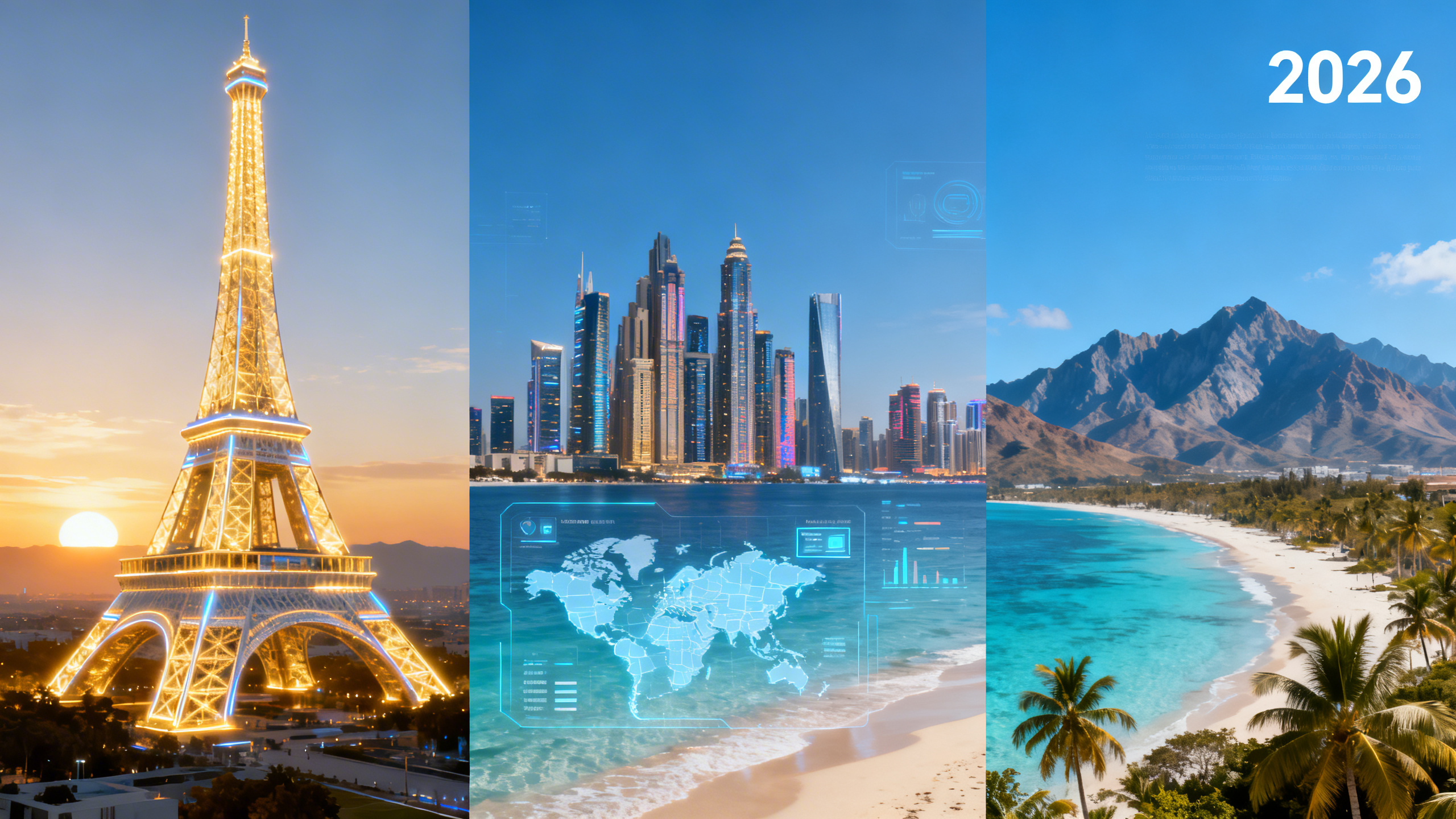
Travel trends in 2026 are being shaped by a unique convergence of factors, including technological advancements, increasing environmental awareness, and shifting cultural interests. Travelers today seek not just picturesque locations but immersive experiences that resonate on a personal and sustainable level. With this in mind, the top trending travel destinations of 2026 offer a blend of natural beauty, rich history, innovative experiences, and opportunities to engage responsibly with local communities.
Understanding these trends helps travelers make informed choices that maximize their enjoyment and contribute positively to the places they visit. From burgeoning cityscapes to untouched nature spots, 2026 offers an exciting palette of places to explore.
1. Japan’s Tohoku Region: Nature Meets Tradition
While Tokyo and Kyoto remain perennial favorites, 2026 has spotlighted Japan’s less-explored Tohoku region in the northeast. Known for its dramatic landscapes, ancient temples, and traditional festivals, Tohoku offers travelers a serene yet culturally rich alternative. For example, the Hanamaki Onsen hot springs provide a rejuvenating retreat surrounded by nature’s tranquility, perfect for mental and physical wellness.
Additionally, Tohoku’s commitment to sustainable tourism means visitors can engage in eco-friendly activities like guided nature hikes and farm stays, which directly support local communities. This makes Tohoku a destination that respects its environment and heritage while welcoming travelers with authentic experiences.
2. Portugal’s Alentejo Coast: Hidden Coastal Charm
Portugal’s Alentejo coast is gaining traction in 2026 for its unspoiled beaches, rugged cliffs, and charming fishing villages. Unlike the bustling Algarve, Alentejo offers peaceful solitude combined with world-class cuisine, particularly its fresh seafood and unique local wines.
Travelers interested in cultural immersion can explore historic towns like Vila Nova de Milfontes or participate in traditional boat-making workshops. The region’s dedication to slow tourism allows visitors to savor every moment without the usual tourist rush, making it a top trend for those seeking deeper connections with place and people.
3. Rwanda: Africa’s Emerging Eco-Tourism Jewel
Rwanda’s reputation as an eco-tourism hotspot continues to grow in 2026, fueled by its incredible wildlife and conservation efforts. Home to the renowned mountain gorillas, Rwanda offers guided treks through pristine national parks like Volcanoes National Park.
Beyond gorilla watching, Rwanda’s growing investment in sustainable infrastructure and community-based tourism highlights a model for responsible travel. Visitors can also experience cultural tours in Kigali or visit local craft cooperatives, ensuring their tourism dollars contribute to local prosperity and conservation.
4. Greece’s Cyclades Islands: Reimagined Classics
The Greek Cyclades islands such as Naxos and Paros are trending in 2026 as alternatives to the more crowded Santorini and Mykonos. These islands boast stunning beaches, vibrant local markets, and ancient ruins, yet with fewer tourists, they provide a more relaxed and authentic experience.
For example, Naxos is famous for its archaeological sites and mountain villages, perfect for hiking and cultural exploration. The islands have improved eco-friendly accommodations and transportation options, appealing to conscious travelers who seek to minimize their environmental footprint without compromising comfort.
5. New Zealand’s South Island: Adventure and Serenity Combined
Renowned for its breathtaking landscapes, New Zealand’s South Island remains a top destination in 2026 for adventure travelers and nature lovers alike. From the fjords of Milford Sound to the majestic peaks of the Southern Alps, it offers unparalleled opportunities for hiking, kayaking, and wildlife encounters.
This year, innovations in sustainable tourism have made the region more accessible while protecting its fragile ecosystems. For instance, guided eco-tours emphasize Leave No Trace principles, and many accommodations have shifted to renewable energy, reflecting New Zealand’s commitment to environmental stewardship.
Conclusion: Planning Your 2026 Travel with Purpose and Passion
Traveling in 2026 is more than just visiting a new place; it’s about connecting deeply with the culture, environment, and people of the destination. Whether you’re drawn to the traditional tranquility of Japan’s Tohoku, the coastal charm of Portugal’s Alentejo, the pioneering eco-tourism of Rwanda, the reimagined classic Greek islands, or the adventure-packed wilderness of New Zealand, each destination offers unique opportunities to travel responsibly and meaningfully.
When planning your travels, consider how your choices impact these regions and seek experiences that enrich both you and the local communities. With thoughtful planning, 2026 can be your year of unforgettable journeys to some of the world’s most exciting and trending destinations.