
Introduction to Sustainable and Smart Travel in 2026
As the world continues to evolve, so do the ways we explore it. In 2026, travelers are more conscious than ever about the impact their journeys have on the environment and local communities. Embracing sustainable and smart travel practices not only helps protect the planet but also enriches the travel experience, connecting travelers with authentic cultures and environments in meaningful ways.
In this blog post, we’ll dive deep into practical, actionable tips that combine sustainability with the latest technology trends, ensuring your 2026 travels are responsible, enjoyable, and efficient.
Choose Eco-Friendly Accommodations and Transport
One of the most important decisions that influence your travel footprint is your choice of accommodation and transportation. In 2026, many hotels and lodgings pride themselves on eco-certifications, green energy use, waste reduction programs, and water-saving initiatives. Researching and selecting such accommodations supports businesses committed to sustainability while offering unique experiences often embedded in local culture.
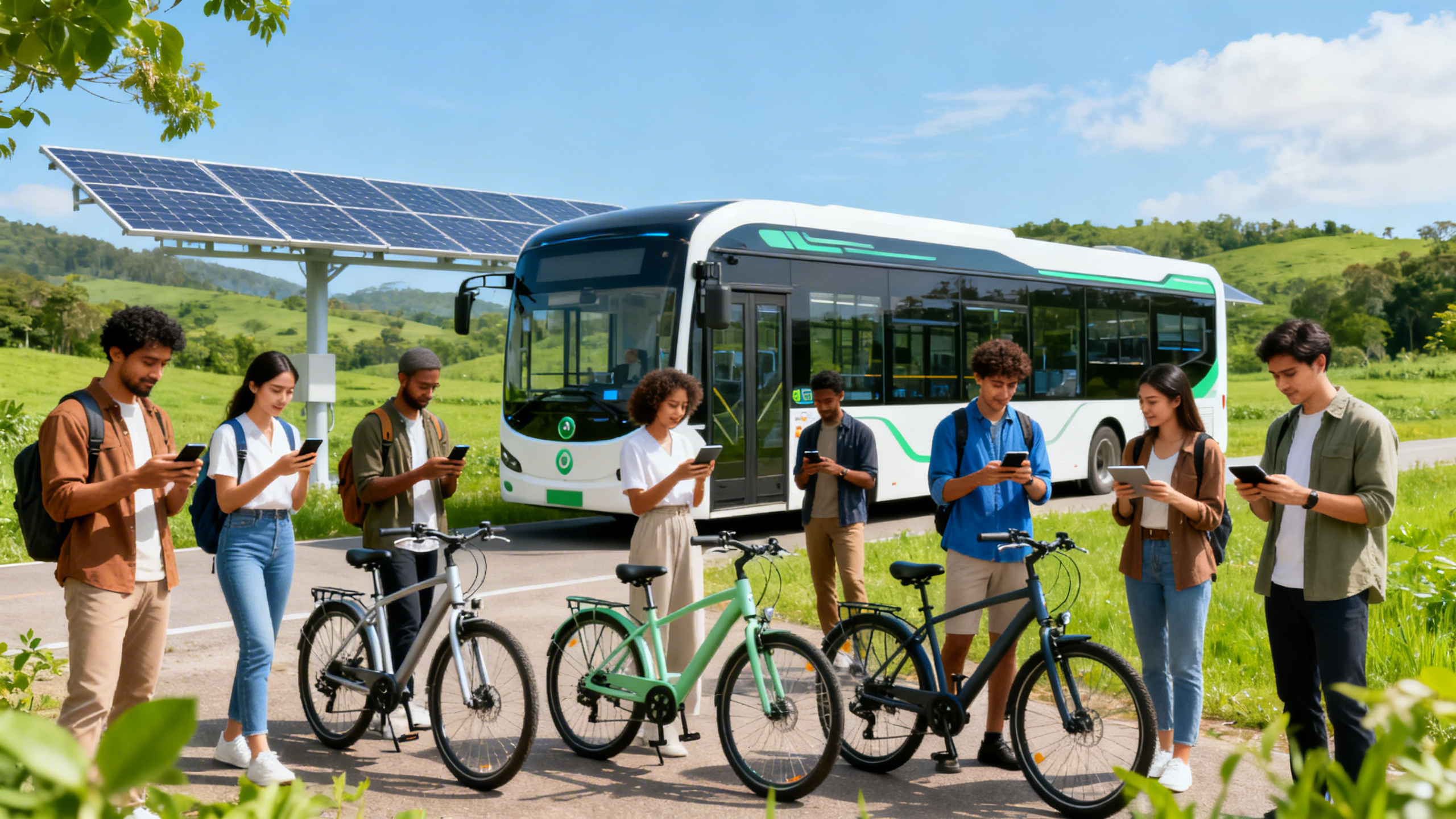
Transportation is equally critical. Instead of defaulting to short-haul flights, consider trains or buses that are increasingly powered by renewable energy sources. For example, Europe’s expansion of high-speed rail networks makes it feasible and enjoyable to get from city to city without the carbon cost of frequent flights. In urban settings, opt for electric scooters, bikes, or public transportation apps that reduce emissions and help you explore more intimately.
Harness Smart Travel Technologies
Smart travel technology in 2026 has evolved to enhance convenience and minimize waste. Use travel apps that provide real-time updates on transportation schedules, carbon footprint calculators, and eco-friendly route suggestions. Planning your trip through platforms that filter sustainable options can greatly reduce your environmental impact.
Wearables and smart luggage with GPS tracking reduce the risk of lost bags, lowering the need for replacements and extra shipments. Furthermore, embracing digital boarding passes and tickets minimizes paper waste. For instance, airlines and train companies have refined their mobile apps to be your all-in-one travel assistant, streamlining check-ins, seating preferences, and even carbon-offset contributions.
Engage in Responsible Tourism
Responsible tourism is about respecting the culture, environment, and economy of your destination. In 2026, experiential travel continues to grow, encouraging deeper connections with local communities. Engage in tours led by local guides, prioritize purchasing handmade crafts over mass-produced souvenirs, and try authentic cuisine sourced sustainably.
Additionally, support conservation efforts by visiting protected areas responsibly and adhering to their guidelines, such as staying on marked trails and respecting wildlife. Many destinations now offer volunteer or donation-based activities that allow travelers to give back, creating a mutually beneficial relationship between tourists and the host community.
Minimize Waste and Energy Use While Traveling
Travelers in 2026 are adopting habits that lessen their environmental footprint daily. Carrying reusable water bottles, containers, and straws reduces reliance on single-use plastics, one of the most pervasive pollutants worldwide. Many destinations provide refill stations, making it convenient to stay hydrated sustainably.
Energy conservation is equally vital when staying in hotels or rentals. Simple practices like turning off lights and electronics when not in use and opting to skip daily linen changes can save significant resources over time. Some accommodations encourage guests to participate in their green initiatives, making it easy to contribute to energy-saving efforts.
Plan with Purpose: Balancing Travel and Impact
Finally, one of the smartest travel tips for 2026 is to plan purposefully. Avoid over-touristed locations and seek lesser-known destinations to diffuse tourist pressure. Longer stays in one place allow for deeper cultural immersion and reduced transit emissions. Planning trips in alignment with local events or off-peak seasons supports community economies without overwhelming infrastructure.
By integrating sustainability with advanced travel technology and mindful behaviors, your journeys in 2026 can be rewarding and responsible. This approach not only preserves the beauty and authenticity of our world but also inspires others to follow suit.
Conclusion
Travel in 2026 is shining a spotlight on sustainability and smart technology. By choosing eco-friendly accommodations and transport, leveraging smart travel tools, engaging responsibly with local cultures, minimizing waste, and thoughtful planning, every traveler has the power to make a positive impact. Embracing these practices ensures that our global adventures remain vibrant and viable for generations to come.
Start your journey toward sustainable travel today and experience the world in a way that truly respects its wonders.