
Introduction to Travel in 2026
As we embark on 2026, the travel landscape is rapidly evolving, opening up new horizons and fresh experiences for avid explorers. Whether you are a seasoned globetrotter or planning your first adventure, understanding the emerging destinations and travel trends of this year is crucial. This comprehensive guide offers in-depth travel tips to help you navigate 2026 with confidence and excitement.
The key to successful travel today lies not only in choosing where to go but in how to experience these destinations meaningfully, responsibly, and with the latest insights. Let’s explore the top travel tips designed to enhance your journeys in this changing world.
1. Embrace Emerging Destinations with a Local Mindset
In 2026, travelers are increasingly seeking less-explored places to escape the crowds and discover authentic cultures. Places like Bhutan, Georgia, and Madagascar are gaining traction, offering unique landscapes and rich traditions that challenge the typical tourist paths. When visiting emerging destinations, adopt a local mindset: engage with local communities, respect cultural norms, and support small businesses. For example, choosing a family-run guesthouse instead of an international hotel chain ensures your money benefits the local economy and provides you with a more personal experience.
Moreover, prepare yourself by learning about the destination’s history, customs, and language basics. This cultural immersion deepens your travel experience and showcases your respect for the host country. Responsible travel not only benefits locals but also fosters sustainable tourism, which protects these emerging gems for future visitors.
2. Adapt to Smart Travel Technology
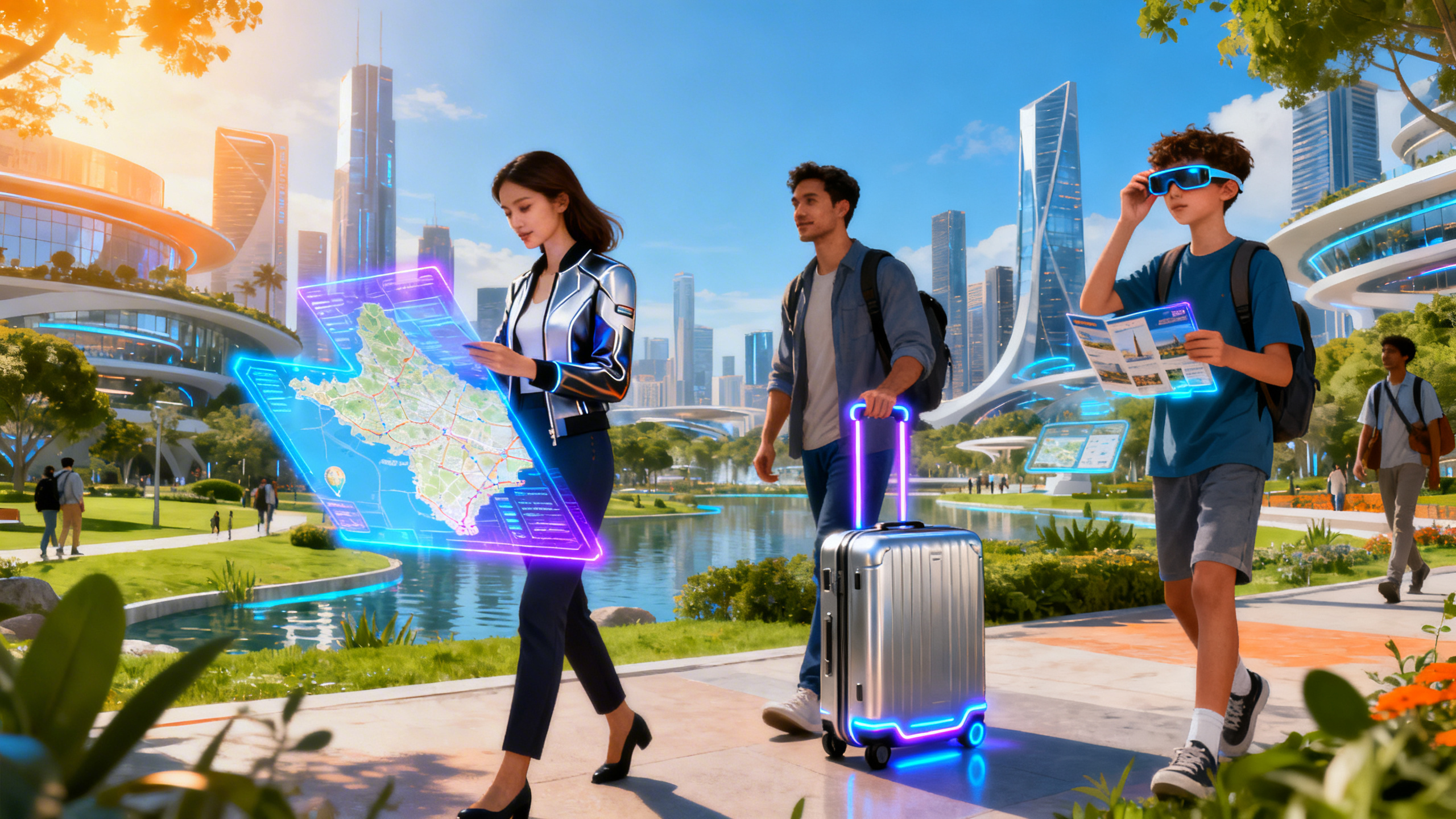
Technology continues to transform how we plan and enjoy travel. In 2026, smart travel tech like AI-based itinerary planners, augmented reality (AR) guides, and virtual concierge services are mainstream. These tools help streamline your journey, from customizing daily activities to navigating unfamiliar cities with ease.
For instance, AR apps can overlay historical facts or restaurant reviews as you explore landmarks, enriching your understanding on the go. AI planners analyze your preferences and suggest personalized experiences, saving you hours of research. Embracing these technologies not only adds convenience but also enhances your engagement with the environment around you.
3. Prioritize Health and Wellness Travel
Post-pandemic travel in 2026 places more emphasis on health, safety, and wellness. Travelers are gravitating towards wellness retreats, spa resorts, and nature-centric activities that promote mental and physical well-being. Destinations like Iceland’s geothermal pools or Costa Rica’s eco-friendly yoga resorts offer rejuvenating experiences amidst stunning natural settings.
Plan your trips to include downtime for relaxation, mindfulness, and fitness. Research the health infrastructure of your destination beforehand and carry any essential medications or health gear. Choosing destinations that prioritize cleanliness, open spaces, and sustainable environmental practices also contributes to a healthier travel experience.
4. Sustainable and Eco-Friendly Practices
In 2026, sustainability is no longer optional but essential in travel. Conscious travelers are reducing their carbon footprints by opting for eco-friendly accommodations, using public or electric transport, and participating in conservation projects. Many emerging destinations now offer eco-tourism initiatives, such as wildlife protection programs in Kenya or coral reef restoration in the Maldives.
Implementing simple actions like minimizing single-use plastics, supporting local artisans, and respecting wildlife preserves enhances your role as a responsible traveler. These sustainable choices ensure that natural and cultural treasures remain vibrant and accessible for generations to come.
5. Flexibility and Contingency Planning
The unpredictable nature of global travel in recent years has underscored the importance of flexibility. In 2026, expect to adapt your plans as needed, whether due to changing travel regulations, weather conditions, or unforeseen events. Purchasing travel insurance that covers cancellations, delays, and health emergencies is a wise investment.
Additionally, maintaining a flexible itinerary can turn potential disruptions into opportunities. For example, a delayed flight might allow you to explore a new neighborhood or try a local café you hadn’t planned to visit. Being open-minded and prepared makes your travel experience richer and less stressful.
Conclusion
Travel in 2026 promises new adventures fueled by emerging destinations and innovative trends. By embracing a local mindset, leveraging technology, prioritizing wellness, committing to sustainability, and staying flexible, you can transform your journeys into unforgettable, responsible, and enriching experiences. Start planning with these tips in mind and step confidently into the evolving world of travel this year.