
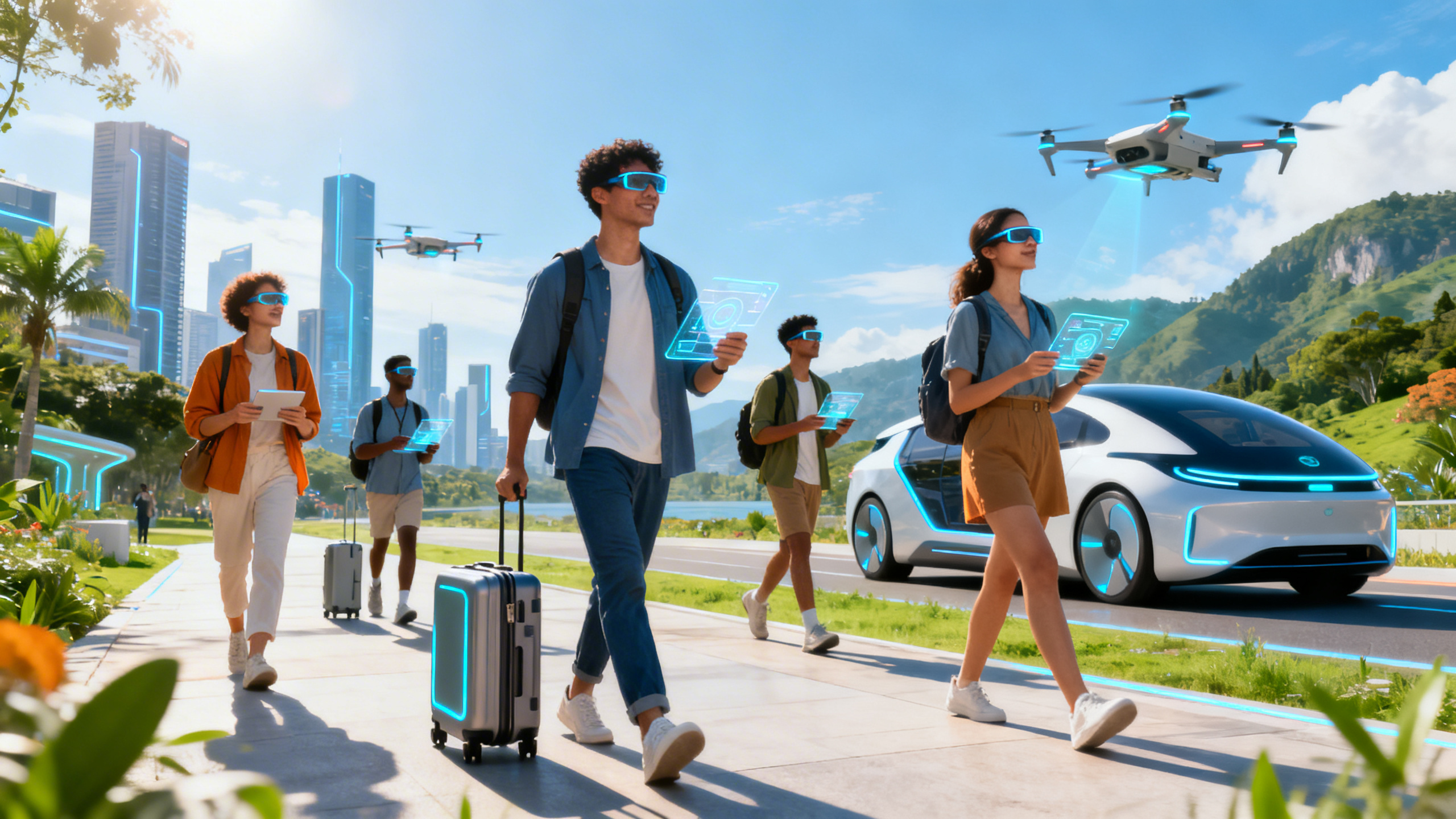
Introduction to 2026 Travel Trends
In 2026, travel is evolving like never before, shaped by technological innovations, shifting traveler preferences, and a deeper commitment to sustainability. Modern exploration is no longer just about visiting a destination; it’s about immersive experiences, meaningful connections, and mindful journeys. This year, travelers are embracing trends that blend adventure with responsibility, technology with authenticity, and convenience with cultural richness.
As a seasoned travel enthusiast, I’ve witnessed the transformation in how we explore the world. From advanced eco-friendly accommodations to AI-powered personalized itineraries, this guide dives into the key trends that are defining travel in 2026, providing you with actionable insights to make your next trip unforgettable.
1. Sustainable and Regenerative Travel
In 2026, sustainability has moved beyond a buzzword to become a crucial part of travel planning. Travelers now seek experiences that not only minimize environmental impact but actively contribute to the restoration of the destinations they visit. This includes choosing eco-friendly hotels, participating in local conservation efforts, and supporting community-based tourism projects.
For example, destinations like Costa Rica and New Zealand have expanded regenerative tourism programs, where visitors can engage in activities such as reforestation and wildlife protection. This shift reflects a growing awareness that tourism can be a force for good when managed responsibly, allowing travelers to leave a positive footprint while enjoying authentic cultural experiences.
2. Technology-Driven Personalization
Travel technology in 2026 is more sophisticated and user-centric than ever. AI-driven platforms analyze your preferences, past travel history, and real-time data to craft highly personalized travel experiences. Whether it’s curating unique dining spots based on dietary preferences or organizing off-the-beaten-path excursions that align with your interests, technology enhances every step of your journey.
Smart airports equipped with biometric systems expedite check-ins, and virtual reality previews are helping travelers make informed decisions before booking. These innovations not only increase convenience but also deepen traveler engagement, turning ordinary trips into finely tailored adventures.
3. Experiential and Cultural Immersion
Modern travelers crave authentic connections with local cultures. In 2026, cultural immersion is emphasized through hands-on experiences such as cooking classes with local chefs, traditional craft workshops, and immersive language exchanges. This approach fosters respectful interaction and deeper appreciation of the host communities.
Take, for instance, the rise of Indigenous-led tourism experiences, which provide invaluable insights into native traditions, history, and environmental stewardship, often overlooked in conventional tours. These experiences enrich the travel narrative, making every trip a learning journey and a personal transformation.
4. Wellness and Mindful Travel
Wellness travel continues to gain momentum in 2026, reflecting a global emphasis on mental and physical health. Travelers are seeking destinations and retreats that offer holistic wellness services, including yoga, meditation, detox programs, and nature therapy. This trend integrates relaxation with self-discovery, providing a necessary balance in today’s fast-paced world.
Destinations like Bali and Iceland have become hubs for wellness retreats that combine stunning natural landscapes with high-quality health and wellness programs. Such travels often encourage mindfulness, encouraging visitors to disconnect from digital distractions and reconnect with themselves and their surroundings.
5. Remote Work and Digital Nomadism
The pandemic’s impact continues to reshape work and travel dynamics. 2026 sees a rise in digital nomadism, with more people blending work and travel thanks to flexible remote work policies. Destinations are catering to this trend by offering coworking spaces, reliable internet, and community-building events tailored specifically for remote professionals.
For example, cities like Lisbon, Mexico City, and Bali have established themselves as digital nomad hotspots, with a growing infrastructure that supports both productivity and leisure. This trend allows travelers to extend their stays, fostering deeper connections with local culture and communities while maintaining their careers.
Conclusion: Embrace the Future of Travel
The travel landscape in 2026 is dynamic, multifaceted, and thrilling. Embracing these trends not only enhances your travel experiences but also ensures that your adventures contribute positively to the world. By prioritizing sustainability, personalization, cultural immersion, wellness, and the blend of work and travel, you’ll explore more meaningfully and responsibly.
Whether you are a seasoned explorer or a casual traveler, 2026 is the year to travel smarter, connect deeper, and make every journey count. Pack your bags for a modern exploration where every destination is a living story waiting to be discovered.