
Why Sustainable Travel Matters in 2026
As we step into 2026, sustainable travel is no longer just a trend but a crucial approach to preserving the planet for future generations. The global tourism industry has significantly impacted the environment, local cultures, and economies. Conscious travelers are increasingly seeking ways to minimize their carbon footprint and contribute positively to the places they visit. Sustainable travel not only protects natural landscapes but also promotes respect for local communities and wildlife, ensuring that tourism remains a force for good.
Moreover, smart travel choices can save money, reduce stress, and create richer experiences by focusing on quality over quantity. Embracing both sustainability and smart travel in 2026 means making thoughtful decisions about how, when, and where we travel, aligning with both environmental ethics and personal convenience.
Planning Your Trip with Sustainability in Mind
Start by choosing destinations that prioritize eco-friendly tourism practices. Look for places with certifications such as Green Globe or those that emphasize conservation efforts and community-based tourism. For example, Costa Rica continues to lead in sustainable tourism with protected rainforests and eco-lodges that support local biodiversity.
When booking flights, consider the rising options for carbon offset programs offered by airlines or independent organizations. Opting for direct flights also reduces emissions, as takeoffs and landings contribute significantly to a flight’s carbon footprint. Additionally, explore alternative transportation methods like trains or electric buses, especially in regions with well-developed infrastructure such as Europe or Japan, where high-speed rail is efficient, comfortable, and eco-friendly.
Smart Accommodation Choices
Selecting eco-conscious lodging is crucial. Many hotels and hostels now implement energy-saving technologies, water conservation programs, and recycle initiatives. In 2026, smart accommodations integrate technology to optimize resource use — for example, motion sensors that control lighting and heating, or apps that manage guest preferences without wasting energy. Seek out accommodations that support local economies by sourcing food and materials locally and employing community members.
A compelling example is the rise of eco-resorts in the Maldives, which focus on coral reef protection and renewable energy use. Choosing such stays ensures that your travel dollars contribute to sustainable development and environmental preservation.
Adopting Sustainable On-the-Go Practices
Small habits while traveling can make a significant impact. Carry reusable water bottles, utensils, and shopping bags to avoid single-use plastics. Support local artisans and markets instead of purchasing mass-produced souvenirs. Eating seasonal and local foods not only reduces carbon footprints but also enriches your travel experience through authentic culinary delights.
Respect local customs, nature, and wildlife by staying on marked trails, avoiding disturbing natural habitats, and engaging respectfully with communities. Using travel apps that promote sustainable activities and provide tips on local environmental practices can enhance your responsible travel approach.
Leveraging Technology for Smart Travel
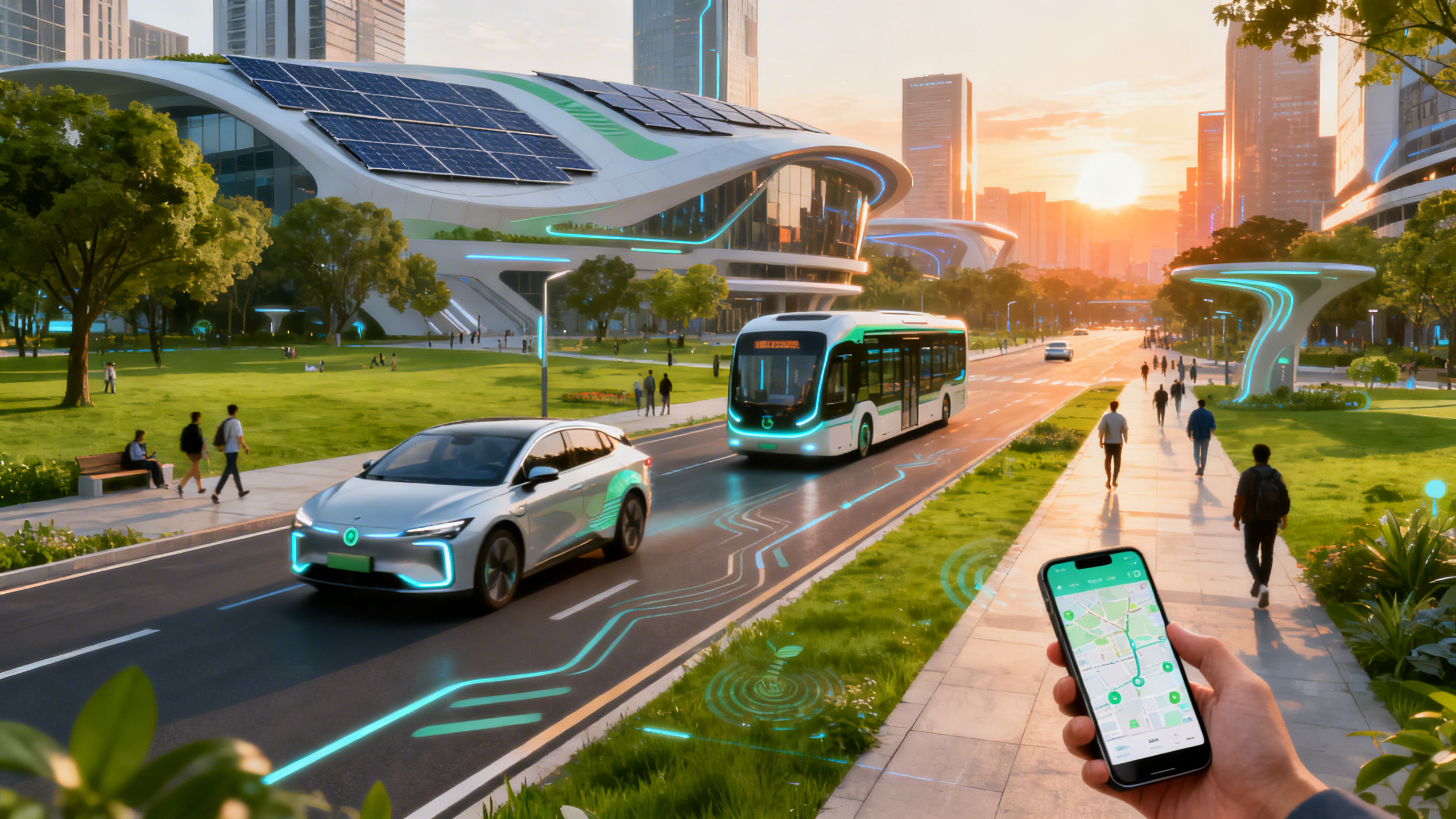
In 2026, technology continues to revolutionize how we travel smartly and sustainably. Smart luggage with GPS tracking reduces lost baggage and unnecessary replacements. Travel apps provide real-time data on public transport, carbon emissions, and eco-friendly dining options. Virtual tours and augmented reality also offer innovative ways to explore destinations with less environmental impact.
Moreover, tech-savvy travelers use itinerary planners that suggest optimized routes reducing travel time and emissions. Platforms that facilitate car-sharing or bike rentals promote greener urban mobility, especially in major cities adapting to sustainable transport trends.
The Future of Sustainable and Smart Travel
The future of travel lies in the harmonious integration of technology and sustainability practices. As governments tighten regulations on emissions and tourists demand more responsible options, businesses are stepping up with innovative solutions to lower environmental impact.
For every traveler in 2026, embracing sustainable and smart travel is not just about reducing harm but actively supporting positive change. By educating ourselves, making informed choices, and advocating for sustainable tourism policies, we can ensure travel remains a source of joy, learning, and cultural exchange while protecting our precious planet.
In conclusion, sustainable and smart travel in 2026 means planning thoughtfully, supporting eco-friendly accommodations, adopting responsible behaviors on the move, and leveraging technology to enhance travel experiences while reducing environmental impact. Start your journey with these principles and enjoy a more meaningful and conscientious travel adventure this year.