
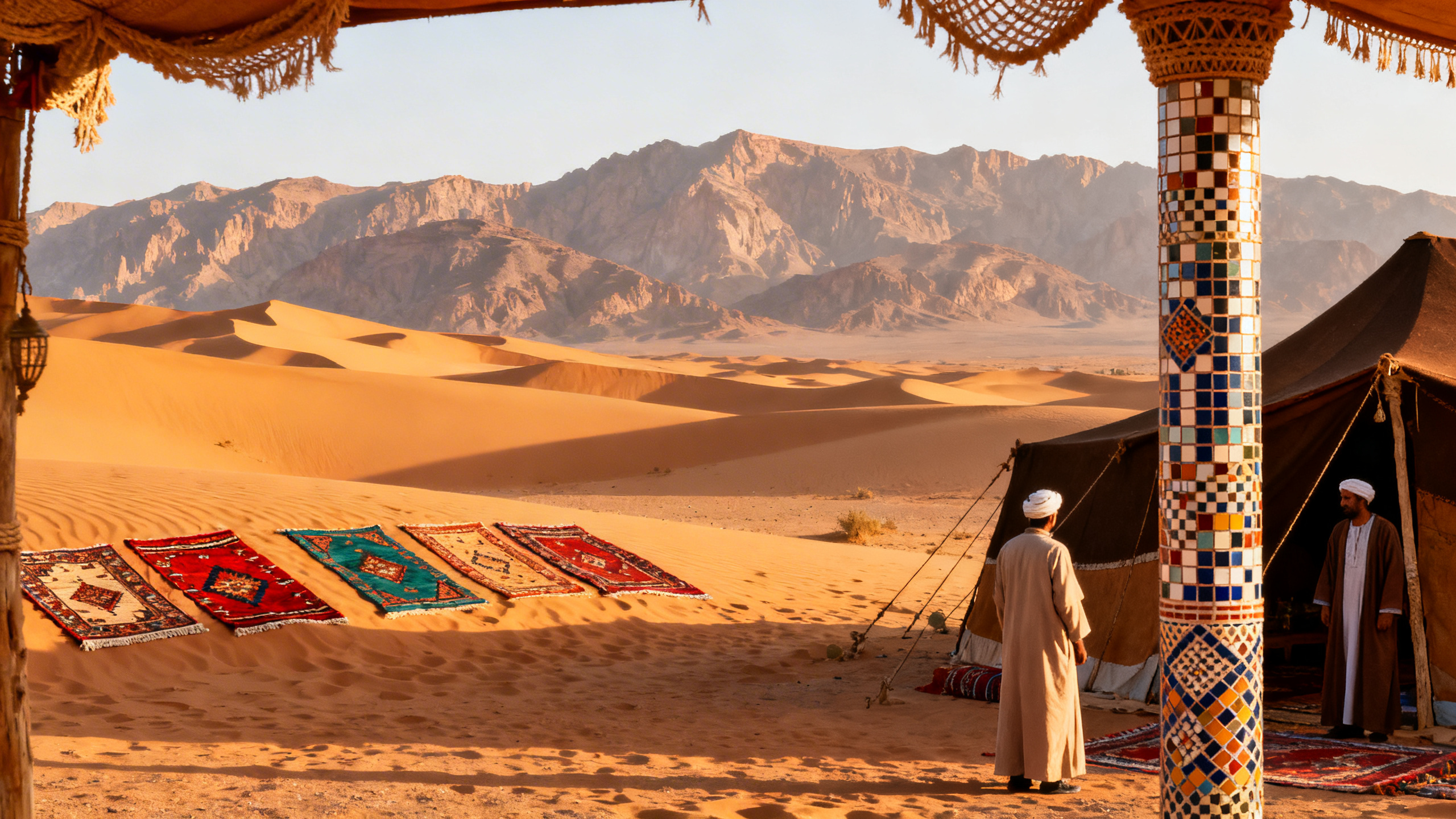
Discovering Morocco’s Diverse Landscapes
Morocco is a land of captivating contrasts that offers travelers an extraordinary visual feast. From the bustling souks of Marrakech to the serene sands of the Sahara Desert, the country’s landscapes are as varied as they are breathtaking. One of the most mesmerizing experiences for travelers is exploring the Atlas Mountains. These rugged peaks, stretching over 2,500 kilometers, provide opportunities for hiking and discovery of Berber villages that have retained their traditional charm for centuries. The stark beauty of the High Atlas is unlike any other, offering panoramic views and an intimate connection with nature that is both humbling and exhilarating.
In addition to the mountains, Morocco’s coastline along the Atlantic Ocean and Mediterranean Sea presents lush, green areas and bustling port cities like Essaouira and Tangier. These coastal regions are perfect for seafood lovers and those seeking a relaxed vibe juxtaposed with historical architecture and vibrant markets. The Sahara Desert, with its endless dunes and blazing sunsets, presents another dimension of Morocco’s natural allure. Spending a night under the stars in a desert camp offers a magical experience that connects visitors deeply with the land’s timeless spirit.
Immersing in Morocco’s Cultural Richness
Morocco’s culture is a vivid tapestry woven from Arab, Berber, African, and European influences, creating a unique harmony that permeates its art, music, cuisine, and daily life. The medinas, or old towns, found in cities like Fez, Marrakech, and Rabat, are cultural treasure troves. Walking through these labyrinthine alleyways filled with artisan workshops, fragrant spice markets, and historic mosques offers a window into centuries-old traditions. For example, Fez’s medina is home to one of the world’s oldest universities and a vibrant leather tanning district that has operated uninterrupted for over a thousand years.
Moroccan cuisine is another essential element of its cultural richness. Traditional dishes like tagine, couscous, and pastilla showcase a blend of spices and ingredients that reflect the country’s diverse influences and agricultural bounty. Sharing meals is a communal affair that highlights the importance of hospitality in Moroccan society. Music and festivals also play a significant role; the Gnawa Festival in Essaouira, for example, is a captivating celebration of spiritual music that attracts performers and audiences from around the world.
Practical Tips for Exploring Morocco
When planning a trip to Morocco, it’s essential to balance exploration with respect for local customs and traditions. Wearing modest clothing, especially when visiting religious sites, helps show cultural sensitivity. Learning a few phrases in Arabic or Berber can enhance interactions and demonstrate respect to locals. Additionally, navigating Morocco’s diverse landscape requires some preparation—comfortable hiking shoes for mountainous areas, lightweight clothes for the desert, and appropriate gear for coastal retreats will ensure your comfort and safety throughout the journey.
Travelers should also consider timing their visit to avoid extreme weather—spring (March to May) and fall (September to November) provide the most comfortable conditions for exploring outdoor attractions and experiencing local festivals. Embracing Morocco’s enchantment means embracing its pace, which may be more relaxed and rhythmic compared to other destinations, offering visitors an opportunity to truly connect with the environment and the people who make it so magical.
Conclusion: Why Morocco Should Be Your Next Travel Destination
Morocco’s enchanting landscapes combined with its cultural richness make it a destination unlike any other. Whether you find yourself wandering through ancient medinas, trekking the majestic Atlas Mountains, or enjoying a serene moment in the Sahara Desert, the country offers experiences that stir the soul and broaden the mind. Its vibrant culture, embodied in its food, music, and customs, invites travelers to not just observe but actively engage with a living history. Morocco is not just a place to visit—it’s a place to experience deeply and remember forever.