
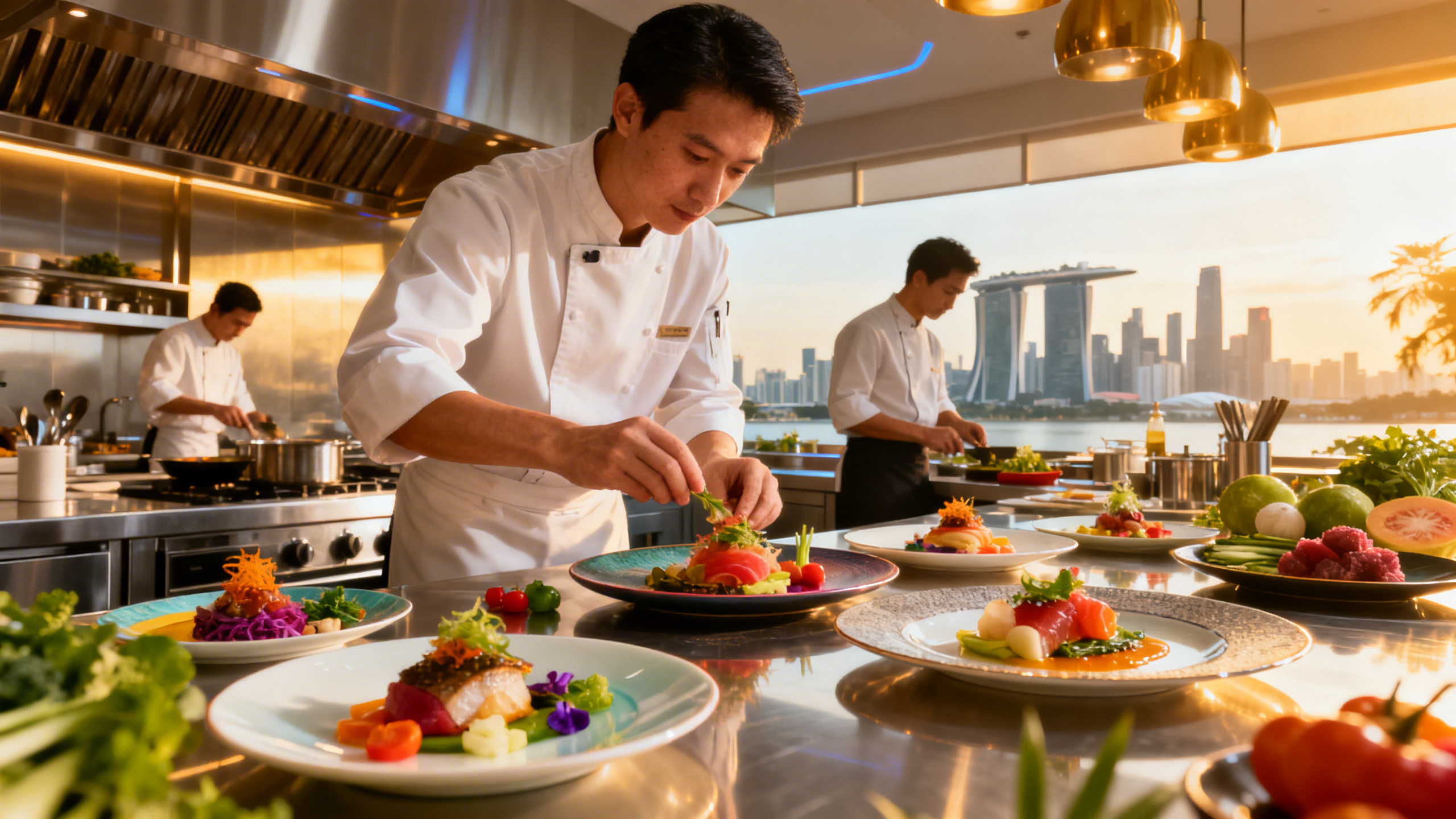
Introduction to Singapore’s Evolving Food Landscape in 2026
Singapore, a vibrant and multicultural city-state, is widely celebrated for its diverse culinary scene that reflects its rich heritage and contemporary innovations. As we delve into 2026, Singapore continues to push the boundaries of food culture with exciting trends that promise new tastes, techniques, and dining experiences. This year, the culinary landscape is not only about flavor but also sustainability, technology integration, and a renewed appreciation for traditional cooking methods infused with modern twists.
The significance of food in Singapore’s culture cannot be overstated. Food here is a unifying language, bridging generations and communities. In 2026, this language has evolved, creating a dynamic and immersive culinary journey that locals and tourists alike eagerly explore.
Sustainability Takes Center Stage
Sustainability remains a dominant theme in Singapore’s food trends for 2026. With global awareness about environmental impact growing, Singapore’s chefs and restaurateurs are adopting more eco-conscious practices. From farm-to-table initiatives to zero-waste kitchens, sustainability is embedded in the culinary DNA of the city.
For example, urban farming has gained momentum, with rooftop farms producing fresh vegetables and herbs for local restaurants. These urban farms reduce carbon footprints by cutting transport distances and provide hyper-fresh ingredients that elevate flavors. Notably, places like Comcrop and Sky Greens lead the way in urban agriculture, collaborating with restaurants to offer menus that highlight freshly harvested produce.
Restaurants are also innovating with edible packaging and plant-based alternatives. The rise of meat substitutes, such as lab-grown meat and innovative plant proteins, is transforming menus by offering delicious, ethical options that cater to diverse dietary preferences. This trend is evident in establishments like Grain Traders, which specialize in sustainable and cruelty-free dining experiences.
Fusion Flavors Redefined
Singapore’s culinary identity thrives on fusion, and 2026 is witnessing an exciting redefinition of this trend. While traditional Peranakan, Malay, Indian, and Chinese flavors remain beloved, chefs are experimenting by blending local tastes with unexpected international cuisines to create novel dishes.
For instance, Singaporean hawker staples like laksa and char kway teow are being reimagined with influences from Japanese, Korean, or Scandinavian culinary styles. Chefs like Willin Low are pioneering these creative fusions, ensuring that innovation honors the authenticity of Singapore’s food heritage.
This reinvention extends beyond street food to fine dining, where tasting menus incorporate delicate flavor layering and molecular gastronomy techniques. Such creativity enhances the dining experience, inviting food enthusiasts to explore familiar ingredients in fresh, surprising ways.
Tech-Enhanced Eating Experiences
In 2026, technology plays an indispensable role in the dining scene, transforming how food is prepared, served, and enjoyed. Smart kitchens equipped with AI-powered cooking appliances enable chefs to optimize recipes and elevate consistency. Restaurants leverage data analytics to personalize menus and improve customer preferences, offering bespoke dining experiences.
Moreover, virtual and augmented reality are being integrated into dining to create immersive environments that complement the cuisine. Some eateries offer VR-enhanced meals that transport diners to cultural settings relevant to the dishes, enriching the narrative behind each bite.
Innovations in food delivery and contactless dining, fueled by Singapore’s smart city infrastructure, ensure convenience without compromising quality. Concepts like robotic servers and drone deliveries have begun to take root, emphasizing efficiency and futuristic dining norms.
Rediscovering Heritage with a Modern Twist
Amid all the innovation, 2026 also celebrates Singapore’s culinary heritage with a modern lens. There is a growing movement among chefs and food historians to revive time-honored recipes and traditional cooking techniques while adapting them to contemporary tastes.
Examples include renewed focus on artisanal kuehs (traditional snacks), authentic kampong-style meals using locally sourced ingredients, and heirloom spice blends that bring depth to modern dishes. The concept of ‘slow food’ gaining popularity as consumers seek authenticity and meaningful culinary experiences.
Events like the Singapore Food Festival continue to highlight such heritage-driven cuisine, ensuring that the next generation appreciates the country’s gastronomic roots even as it embraces new trends.
Conclusion: A Year of Culinary Adventure
Singapore’s 2026 food trends demonstrate an inspiring blend of respect for tradition and enthusiastic adoption of innovation. From sustainable practices and creative fusion dishes to technology-enhanced dining and heritage rediscovery, the city’s food scene is a testament to its status as a global gastronomic hub.
Whether you are a local foodie or a visitor planning your next trip, 2026 offers an extraordinary culinary journey in Singapore that engages all senses and satisfies the soul. Dive deep into flavors that tell stories, celebrate sustainability, and embrace the future of dining in one of the world’s most exciting food capitals.