
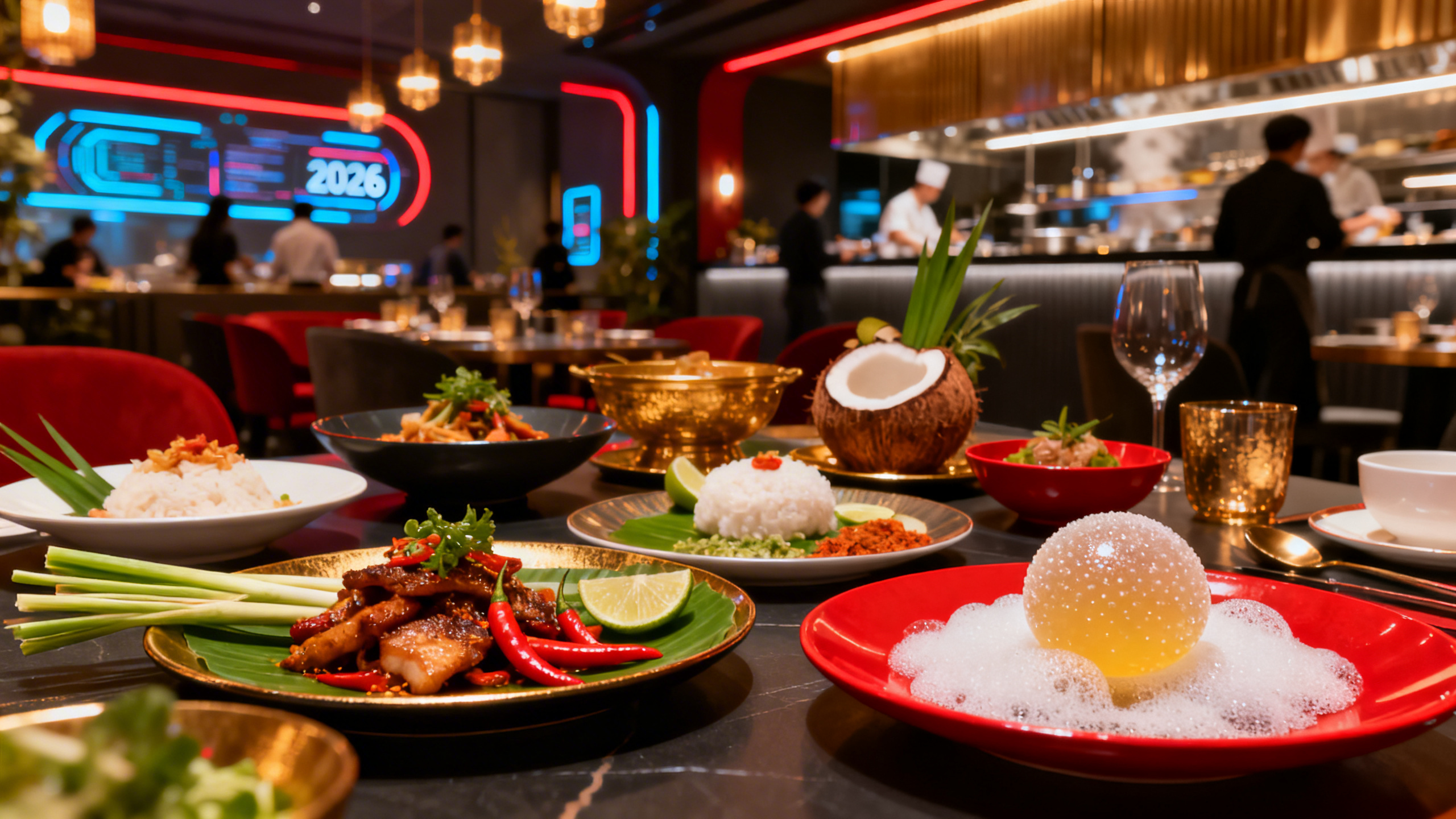
Introduction to Singapore’s Culinary Scene in 2026
Singapore has always been a global culinary hotspot, harmoniously blending traditional flavors with innovative techniques. As we step into 2026, the city-state continues to push culinary boundaries, shaped by its diverse culture, sustainability efforts, and technological advancements. Whether you’re a local food enthusiast or an adventurous traveler, understanding the latest food trends is essential to truly savor Singapore’s dynamic food landscape this year.
In this blog, we will dive deep into the most captivating and influential food trends in Singapore for 2026, from the rise of plant-based innovations to futuristic dining experiences. These trends reflect the city’s evolving tastes, environmental consciousness, and love for unique gastronomic adventures.
1. Plant-Based Revolution Goes Mainstream
Plant-based diets have seen a significant surge worldwide, and Singapore leads this movement in Southeast Asia. In 2026, the plant-based revolution is no longer just a niche but a mainstream culinary phenomenon. Restaurants are elevating plant-based dishes with creative use of local ingredients like tempeh, mung beans, and tropical fruits, providing savory, protein-rich alternatives that appeal even to meat lovers.
For example, eateries such as VeganBurg and Original Sin have expanded their menus with gourmet plant-based burgers and fusion dishes that showcase how innovative plant-based culinary arts can satisfy Singaporeans’ palates. Moreover, food tech companies in Singapore are pioneering lab-grown meats and plant-based seafood alternatives, signaling a future where ethical and sustainable eating is normalized.
2. Sustainability Takes Center Stage
Singaporean chefs and food businesses are increasingly embracing sustainability, driven by government policies and consumer demand. This trend manifests through zero-waste kitchens, upcycled ingredients, and sourcing produce from local urban farms and vertical gardens. Sustainability is woven into the entire dining experience, from eco-friendly packaging to supporting local communities.
An intriguing example is the rise of farm-to-table dining in Singapore, where restaurants like Open Farm Community partner directly with local farmers to offer menus that change seasonally based on available harvests. This not only reduces the carbon footprint but also promotes the freshest, most nutritious ingredients, enhancing both taste and ethical values.
3. Fusion of Tradition and Modernity
Singapore’s rich heritage continues to inspire chefs who skillfully blend traditional recipes with contemporary culinary techniques. In 2026, this fusion is more inventive than ever. Dishes like Nasi Lemak incorporate molecular gastronomy elements, while traditional Peranakan cuisine is reimagined with minimalist plating and novel flavor pairings.
Take the example of renowned chef Violet Oon, who in recent years has been experimenting by infusing classic recipes with craft cocktail techniques and premium ingredients. Such creative reinterpretations honor Singapore’s cultural roots while attracting younger, trend-conscious diners eager for fresh gastronomic adventures.
4. Tech-Driven Dining Experiences
Technology continues to revolutionize dining in Singapore. From AI-powered personalized menus to robot servers in select restaurants, 2026 is marking an era where culinary experiences merge with cutting-edge technology. Digital ordering systems enhanced by AI analyze customer preferences to recommend dishes tailored to individual health needs and taste profiles, enriching the dining journey.
Restaurants like Kaba Modern Indian Cuisine in Singapore showcase smart kitchen technologies that optimize cooking precision and speed without compromising quality. Additionally, virtual and augmented reality dining experiences are emerging, where diners can immerse themselves in themed atmospheres while enjoying their meals, making food consumption both interactive and memorable.
5. Revival of Hawker Culture with a Contemporary Twist
Hawker centers remain the heart of Singaporean food culture, and 2026 sees a revival that respects tradition while embracing contemporary trends. New-age hawker stalls are offering artisanal street food, emphasizing high-quality ingredients and innovative recipes that cater to health-conscious and gourmet seekers alike.
For instance, the popular hawker stall ‘Flavours of Asia’ incorporates organic produce and gluten-free options, appealing to a diverse crowd without losing the authentic street food charm. This trend demonstrates Singapore’s commitment to preserving its iconic food heritage while adapting to modern dietary preferences.
Conclusion
Singapore’s 2026 food trends reflect a vibrant culinary ecosystem that blends innovation with tradition, sustainability with technology, and local flavors with global influences. Whether you’re tantalized by avant-garde plant-based dishes, inspired by sustainable dining practices, or excited about tech-driven food adventures, Singapore offers an extraordinary gastronomic journey in 2026.
Exploring these trends provides a deeper appreciation of Singapore’s culinary identity and points towards a future where food is not just nourishment but an experience that connects culture, environment, and technology seamlessly.