
Introduction to Smarter, Sustainable Travel in 2026
As the world becomes increasingly aware of environmental and social impacts, 2026 is shaping up to be a pivotal year for sustainable and smart travel. Travelers today don’t just seek memorable experiences; they’re dedicated to making those experiences responsible and positive for the planet and local communities. This blog post explores comprehensive tips for embracing this mindset in your travels, ensuring your adventures leave a beneficial footprint.
1. Prioritize Eco-Friendly Transportation
Choosing the right transportation method is crucial when planning sustainable travel in 2026. Opting for trains and buses over short-haul flights significantly reduces carbon emissions. For instance, Europe’s extensive rail network offers scenic, convenient, and environmentally friendlier options compared to multiple short flights. Even when flying is unavoidable, consider airlines committed to sustainability practices, such as investing in carbon offset programs and using more fuel-efficient aircraft models.
Furthermore, when renting vehicles, electric or hybrid options are increasingly available and practical. Many cities now offer electric scooter and bike rentals, which not only reduce emissions but also provide an immersive way to explore urban settings intimately and healthily.
2. Support Sustainable Accommodations
Choosing where to stay is a powerful way to support responsible travel. In 2026, eco-certified hotels and lodges that follow strict environmental standards—such as energy and water conservation, waste reduction, and support for local communities—are more prominent and accessible worldwide. Examples include properties certified by organizations like EarthCheck or Green Key.
For example, in Costa Rica, many jungle lodges employ solar power and use rainwater harvesting while engaging in reforestation projects. Staying at such places contributes directly to the preservation of natural habitats and benefits local economies.
3. Embrace Technology for Smarter Travel Planning
The advent of innovative travel apps and platforms in 2026 enables travelers to make informed and eco-conscious choices effortlessly. Apps that calculate carbon footprints for flights, suggest sustainable restaurants, or guide visitors to off-the-beaten-path locations to avoid overcrowding enrich your travel experience and sustainability impact.
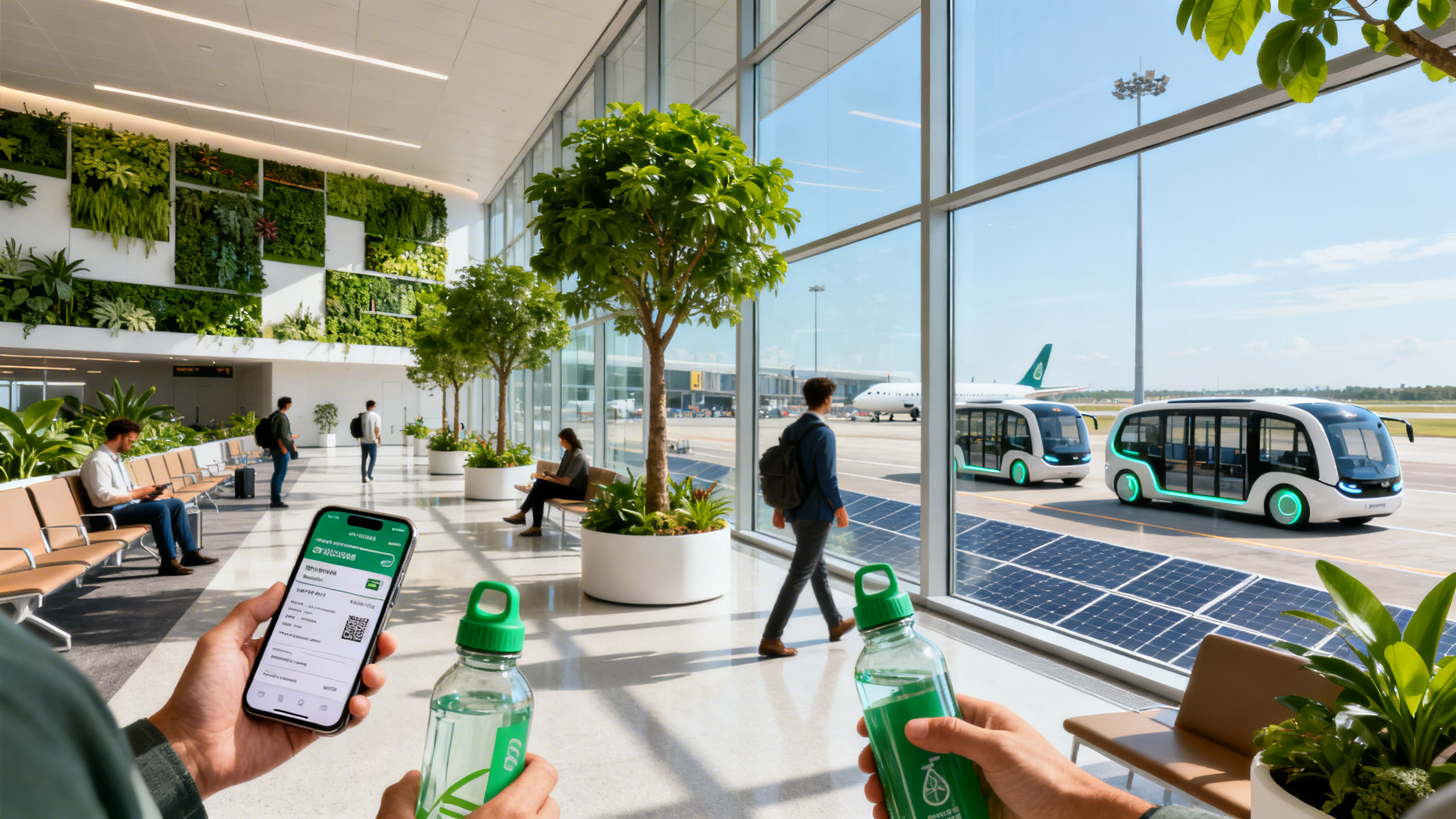
Additionally, digital boarding passes, e-tickets, and itinerary management apps reduce paper waste and streamline your travel logistics, making your journey more efficient and environmentally friendly.
4. Practice Responsible Tourism and Cultural Sensitivity
Being a mindful traveler goes beyond environmental concerns; it involves respecting the cultural fabric and customs of your destinations. In 2026, this means engaging with local communities ethically—choosing local guides, purchasing handmade goods directly, and understanding social norms deeply.
For instance, in Japan, observing quiet behavior in public transport and tipping etiquette shows respect and appreciation for the culture, while in indigenous travel experiences in New Zealand, following guidelines to protect sacred sites is essential.
5. Minimize Waste and Use Sustainable Products
Carrying reusable water bottles, utensils, and shopping bags is a simple yet impactful way to reduce plastic waste on your journeys. Many destinations in 2026 have intensified bans on single-use plastics, making it essential to come prepared. Additionally, opt for biodegradable toiletries and sunscreens that do not harm marine life, especially when visiting coastal or protected areas.
Travelers who adopt these habits often notice how small choices accumulate, making a meaningful difference in waste reduction globally.
Conclusion: Traveling with Purpose in 2026
As travel enthusiasts in 2026, embracing sustainability and smart travel methods is not just a trend but a responsibility and a rewarding practice. By adopting eco-friendly transportation, choosing sustainable accommodations, leveraging technology, respecting local cultures, and reducing waste, you ensure your travels contribute to a healthier planet and richer cultural interactions.
Travel with awareness, respect, and intention—your journey will be more enriching, and your impact will pave the way for future generations of explorers.