
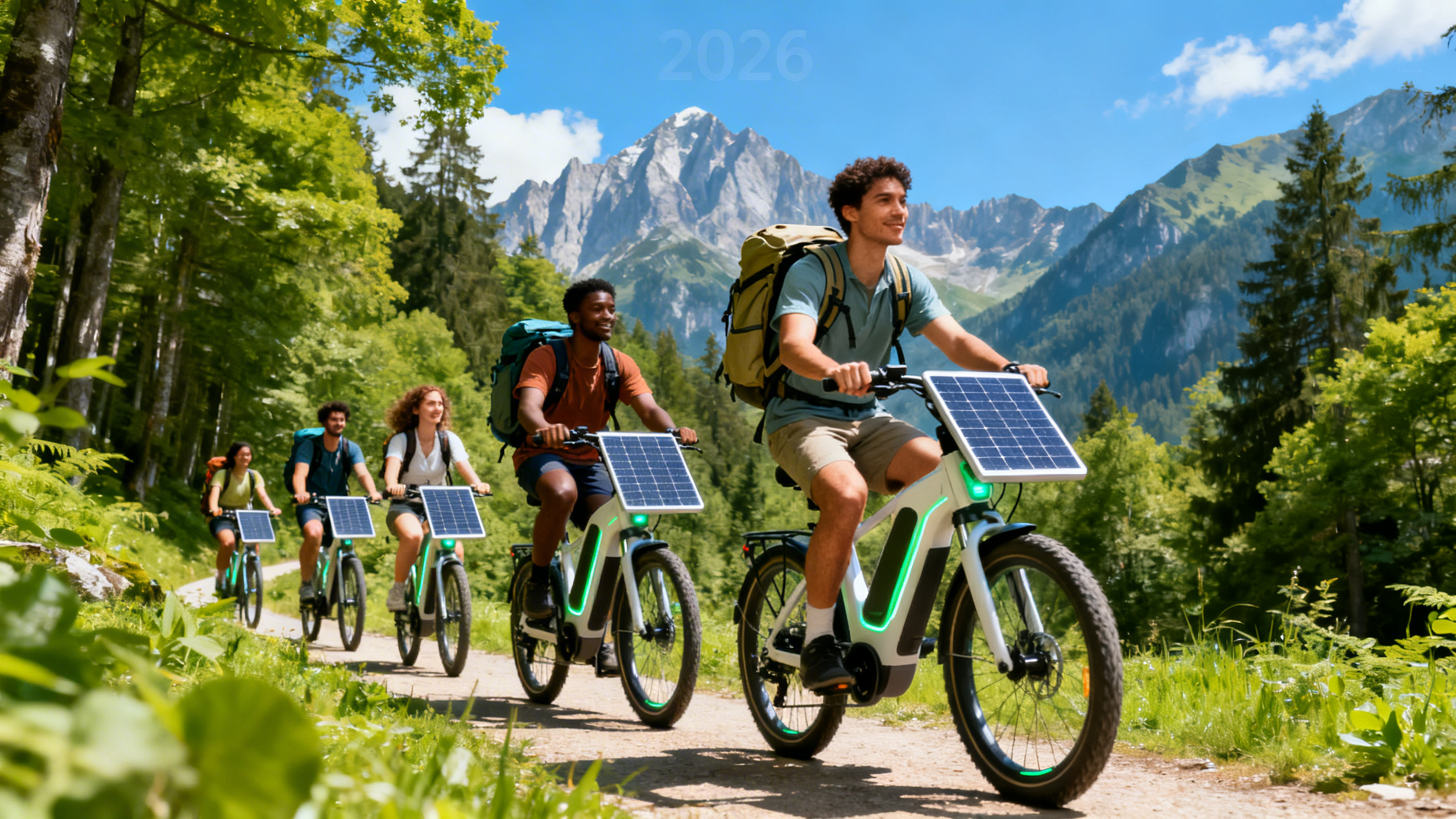
Introduction to Sustainable Travel in 2026
As global awareness about climate change intensifies, sustainable travel has transitioned from a niche preference to a necessary mindset for conscientious explorers in 2026. Eco-friendly adventures not only allow travelers to indulge in the beauty of nature and diverse cultures but also ensure that these precious resources remain untouched for future generations. Sustainable travel focuses on minimizing environmental footprints, supporting local economies, and promoting cultural respect and preservation.
Understanding the core principles of sustainable travel is essential for every traveler wanting to make a positive impact. It involves making deliberate choices—from transportation and accommodation to activities and purchases—that reduce harm and enhance the benefits to the environment and local communities.
Practical Steps for Embracing Eco-Friendly Adventures
Firstly, choosing eco-conscious transportation is a foundational step. In 2026, advances in sustainable travel options such as electric and hybrid vehicles, carbon-offset flights, and expanded rail networks offer travelers greener alternatives. For example, many European countries have enhanced their high-speed train services, providing an efficient, low-emission way to travel between cities. Opting for public transportation, biking, or walking during trips further decreases carbon emissions.
Secondly, accommodations play a significant role in the sustainability equation. Travelers are encouraged to seek out lodgings with green certifications like LEED or Green Key, which indicate environmentally responsible practices. Eco-lodges in Costa Rica and solar-powered resorts in Bali exemplify how sustainable architecture and renewable energy are shaping the hospitality industry. Additionally, supporting small locally owned guesthouses instead of large hotel chains helps contribute directly to community well-being.
Cultural Respect and Supporting Local Economies
Sustainable travel goes beyond environmental conservation; it also emphasizes cultural respect and community support. Engaging with local cultures responsibly means learning about customs, participating in authentic experiences, and purchasing handmade goods from artisans. For instance, visiting indigenous communities in the Amazon with certified guides not only preserves cultural heritage but also provides income to sustain these populations.
In 2026, many travelers are pivoting towards slow travel, a practice focused on deeper interactions with fewer destinations. This approach fosters meaningful relationships and encourages spending more time—and money—in local businesses. Dining at family-owned restaurants, joining community-led tours, and attending local festivals enrich the travel experience while empowering residents.
The Role of Technology in Promoting Sustainable Travel
Technology in 2026 is a powerful ally in sustainable travel. Mobile apps now help travelers measure their carbon footprints, find sustainable businesses, and book eco-friendly accommodations effortlessly. Platforms like Ecosia even allow travelers to contribute to reforestation projects simply by searching for information.
Furthermore, virtual reality (VR) experiences are emerging as alternatives that satisfy wanderlust without the environmental cost of physical travel. These immersive technologies provide opportunities to explore distant places responsibly, educating travelers on the importance of preservation while inspiring real-world visits with sustainability in mind.
Conclusion: Making a Conscious Choice for the Planet and Future Journeys
The year 2026 marks a pivotal moment in travel where conscious choices shape the future of global exploration. Adopting sustainable travel practices benefits the environment, nurtures local communities, and delivers richer, more authentic experiences. Whether it’s embracing green transportation methods, supporting eco-friendly accommodations, or engaging deeply with local cultures, each action contributes to a collective impact.
By thoughtfully planning their adventures, travelers can enjoy the thrill of discovery while preserving the Earth’s wonders for generations to come. Embrace sustainable travel in 2026 not just as a trend, but as a lifelong commitment to responsible and joyful exploration.