
Introduction to Eastern Europe’s Hidden Treasures
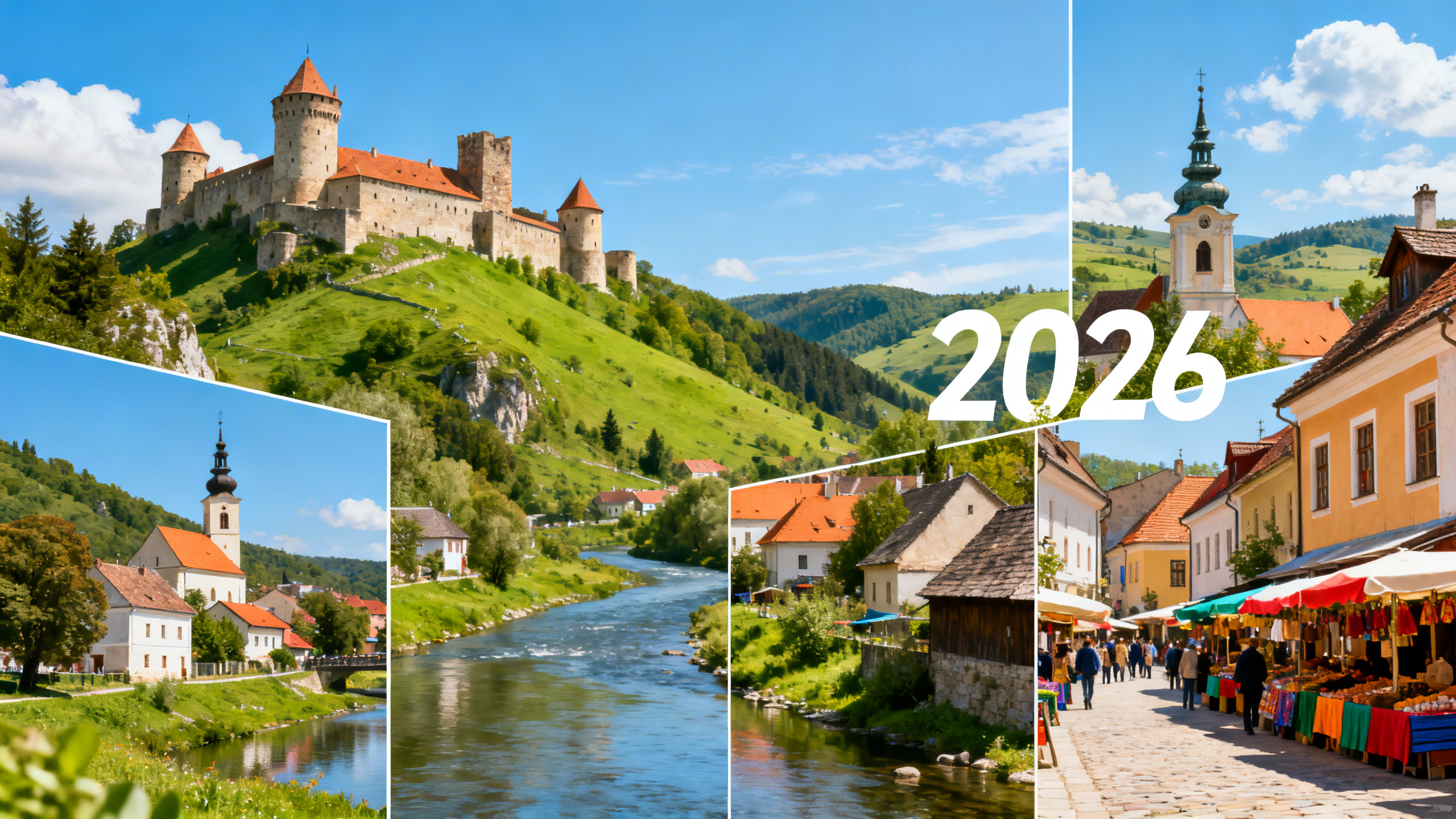
Eastern Europe is often overlooked in favor of its Western neighbors, yet it holds a mesmerizing charm that beckons curious travelers. In 2026, adventurous globetrotters are increasingly turning their sights to this culturally rich and diverse region, eager to uncover its lesser-known destinations. From enchanting medieval towns to breathtaking natural landscapes, Eastern Europe offers a unique blend of history, culture, and modern vibrancy that remains largely undiscovered by the mass tourism circuit.
What sets Eastern Europe apart is its authentic charm, deeply rooted traditions, and affordability, making it an irresistible choice for travelers looking for genuine experiences without the crowds. The blend of Slavic, Baltic, Balkan, and Central European influences provides a fascinating cultural tapestry that promises both adventure and learning.
Must-Visit Hidden Gems and Why They Matter
One standout destination is Slovenia’s Lake Bled, a fairy-tale setting with its iconic church on a tiny island and a medieval castle perched atop a cliff. Visitors can enjoy rowing on the lake, hiking surrounding trails, or indulging in local cuisine. It’s a perfect example of how Eastern Europe’s natural beauty pairs seamlessly with rich heritage.
Next, Transylvania in Romania offers a mix of myth and reality, from Dracula’s legend to picturesque fortified churches and vibrant Saxon villages like Sibiu and Sighișoara, the latter being a UNESCO World Heritage site. The region allows travelers to immerse themselves in medieval history surrounded by the Carpathian Mountains’ breathtaking scenery.
Another gem is Plovdiv, Bulgaria, Europe’s oldest continuously inhabited city. Its Roman theaters, Ottoman mosques, and vibrant art scene highlight a city where history meets contemporary culture. Travelers can enjoy walking through the cobbled streets of the Old Town, discovering ancient ruins alongside modern cafes and galleries.
How to Experience Authentic Local Culture
To truly appreciate the essence of Eastern Europe, engaging with local culture is essential. Visitors should seek out local markets where artisans sell handcrafted goods that tell stories of centuries-old traditions. Participating in folk festivals, such as Hungary’s Busójárás or Slovakia’s Východná Folklore Festival, offers immersive experiences filled with music, dance, and traditional costumes that showcase vibrant cultural heritage.
Food is another gateway to culture in these regions. Sampling dishes like Polish pierogi, Czech svíčková, or Ukrainian borscht provides insight into the agricultural history and culinary creativity of these peoples. Many hidden towns have family-run restaurants where traditional recipes are passed through generations, offering an incomparable farm-to-table experience.
Practical Travel Tips for 2026
Visiting Eastern Europe in 2026 is aided by improved infrastructure, including updated rail networks like the Rail Baltica project, making travel between countries smoother and eco-friendly. However, some hidden gems remain rustic and best explored with flexible plans that include renting a car for remote areas.
Accommodations range widely from boutique hotels housed in historic buildings to cozy guesthouses where hosts often provide personalized insights and connections to local life. Language barriers are minimal in urban areas due to English proficiency, but learning a few basic phrases in languages like Polish, Hungarian, or Romanian enriches interactions and opens doors.
Sustainability and Responsible Tourism
As Eastern Europe gains popularity, sustainable tourism practices become paramount to preserve these hidden gems. Travelers are encouraged to support local businesses, minimize waste, and respect nature and cultural sites. Engaging with community-led tours and eco-friendly accommodations ensures that tourism benefits local populations and helps safeguard traditions and ecosystems.
For example, eco-tourism initiatives in the Carpathian Mountains focus on protecting wildlife habitats while promoting low-impact travel, attracting visitors who want to enjoy pristine nature while contributing positively to conservation efforts.
Conclusion: Why Eastern Europe Should Be Your Next Travel Destination
Eastern Europe’s hidden gems offer an extraordinary blend of history, culture, and natural beauty that refreshes the soul and broadens horizons. Whether you are an intrepid explorer, a history enthusiast, or a lover of authentic cultural experiences, 2026 is the perfect year to discover this remarkable region. By venturing beyond the well-trodden paths, you’ll uncover stories, landscapes, and friendships that will stay with you forever.
Plan your journey thoughtfully, embrace the unexpected, and let Eastern Europe’s hidden gems enchant you in a way few destinations can.