
Introduction to Singapore’s Vibrant Food Scene in 2026
Singapore, known globally as a melting pot of cultures and flavors, continues to be at the forefront of culinary innovation in 2026. The city-state’s food scene is thriving with dynamic trends that blend tradition with modernity, sustainability, and technology. This year, Singapore’s culinary landscape offers a fascinating journey for food lovers seeking authentic experiences fused with futuristic concepts.
In 2026, Singapore’s food trends not only highlight innovative cooking techniques and ingredients but also emphasize health, sustainability, and inclusivity in dining. Whether you’re a foodie, a health-conscious eater, or someone curious about global gastronomy, the evolving food scene in Singapore promises something remarkable for everyone.
Embracing Sustainable and Plant-Based Dining
One of the most significant food trends in Singapore this year is the shift towards sustainable eating. Plant-based cuisine has moved beyond a niche market, with local chefs and eateries creatively transforming traditional dishes into plant-forward alternatives without compromising flavor or authenticity.
For example, hawker centers, the heart of Singaporean food culture, have seen an influx of stalls offering vegan and vegetarian renditions of classics like laksa, char kway teow, and satay. Innovations such as using jackfruit or mushroom-based substitutes for meat showcase how sustainability can mesh seamlessly with cultural heritage. This trend not only caters to vegetarians and vegans but also attracts the environmentally conscious majority looking to reduce their carbon footprint without giving up rich culinary experiences.
Technology-Enhanced Dining Experiences
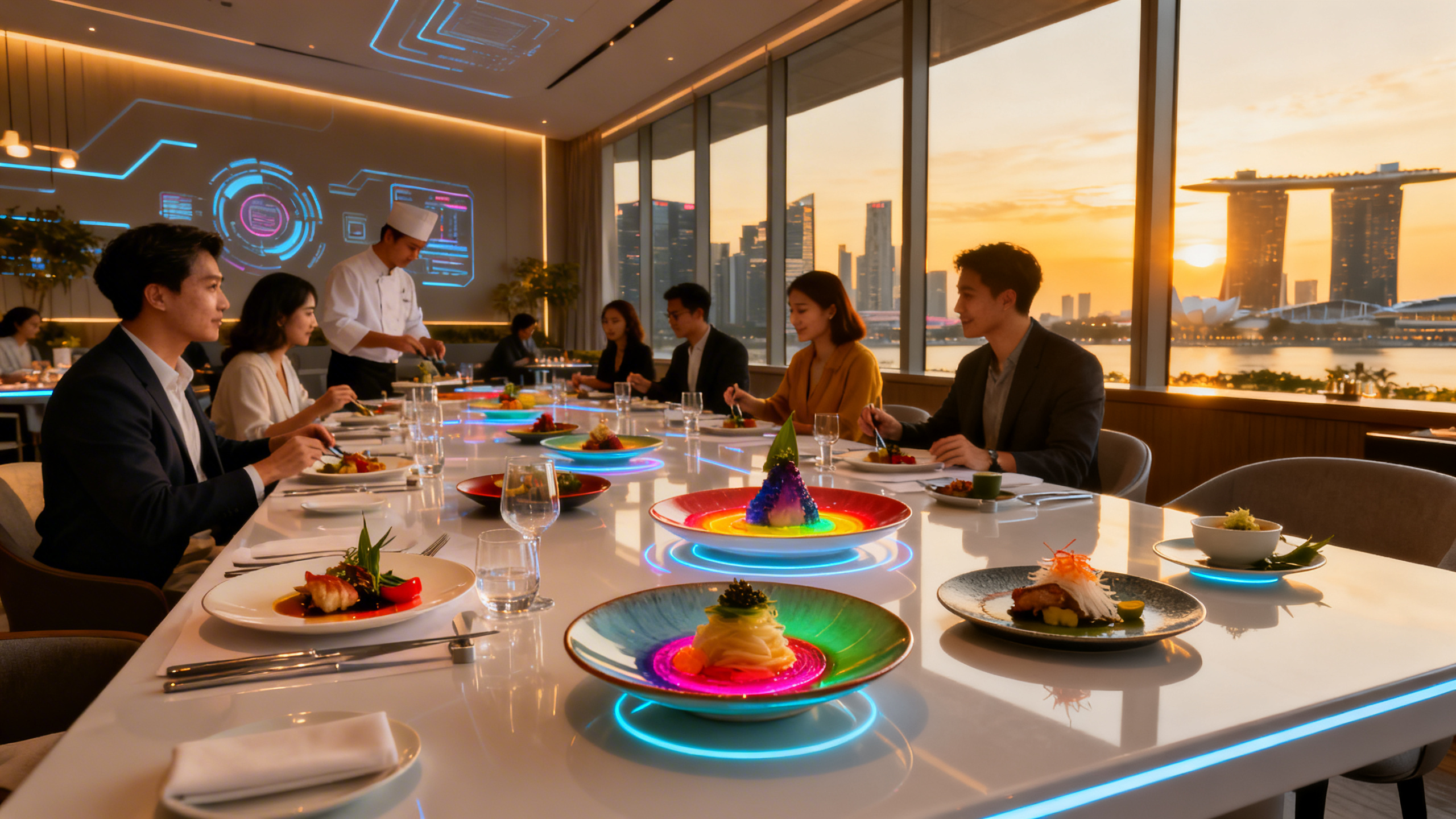
2026 also marks a year where technology deeply intertwines with gastronomy. Singaporean restaurants are integrating augmented reality (AR) and artificial intelligence (AI) to enhance the dining experience. Diners can now interact with their meals through AR menus that provide detailed backstories about ingredients, cooking processes, and nutritional information right at their table.
AI-powered personalized menus also help cater to individual dietary preferences and restrictions, offering optimized meal suggestions based on health data and flavor profiles. This tech-forward approach not only makes dining efficient but also educational, catering to an audience eager to understand the origins and impact of their food choices.
Rediscovering Heritage with a Modern Twist
Singapore’s rich cultural tapestry is reflected in its food, and in 2026 chefs are revisiting heritage recipes with a contemporary edge. This culinary revival sees traditional Peranakan, Malay, Indian, and Chinese dishes reimagined with modern plating, unusual ingredient pairings, and gourmet techniques that elevate the dining experience while honoring the roots.
A notable example is the reappearance of heirloom grains and forgotten spices in upscale eateries, offering patrons a taste of history with a modern sensibility. This trend appeals to both locals and tourists, who seek authenticity but also crave innovation and a story behind each bite.
Health-Focused and Functional Foods
Another prominent trend is the rising demand for health-centric foods that go beyond basic nutrition. Singaporean consumers in 2026 are increasingly seeking functional foods that offer additional health benefits, such as gut-friendly probiotics, anti-inflammatory ingredients, and adaptogens that support mental wellness.
Restaurants and cafes are incorporating superfoods native to the region, such as turmeric, pandan, and coconut, into their menus, blending traditional knowledge with modern nutritional science. This trend reflects a broader global movement towards holistic wellness, and Singapore’s food industry is quick to respond by crafting menus that nourish both body and mind without sacrificing deliciousness.
Inclusive and Interactive Food Culture
Lastly, the social aspect of dining remains vital in Singapore’s food trends. In 2026, inclusive dining experiences that celebrate diversity and foster community connections are flourishing. Pop-up communal tables, chef’s interaction sessions, and collaborative cooking events are bringing people together across different cultures and backgrounds.
This emphasis on inclusivity extends to accommodating various dietary needs, with more eateries offering options for those with allergies or specific medical diets in a welcoming way. Food festivals and markets around Singapore are bustling with energy, showcasing a vibrant and evolving food culture that invites everyone to participate and appreciate the city’s culinary heritage and innovation.
Conclusion
Singapore’s food trends in 2026 paint an exciting picture of a city that respects its culinary roots while boldly embracing the future. From sustainable plant-based creations to high-tech dining, rediscovered heritage dishes to health-focused menus, and inclusive food experiences that bring people together, this culinary journey is rich and rewarding.
Whether you are planning a visit or exploring from afar, keeping an eye on Singapore’s food scene in 2026 offers valuable insights into how tradition and innovation can harmoniously coexist, promising unforgettable flavors and experiences for all.