
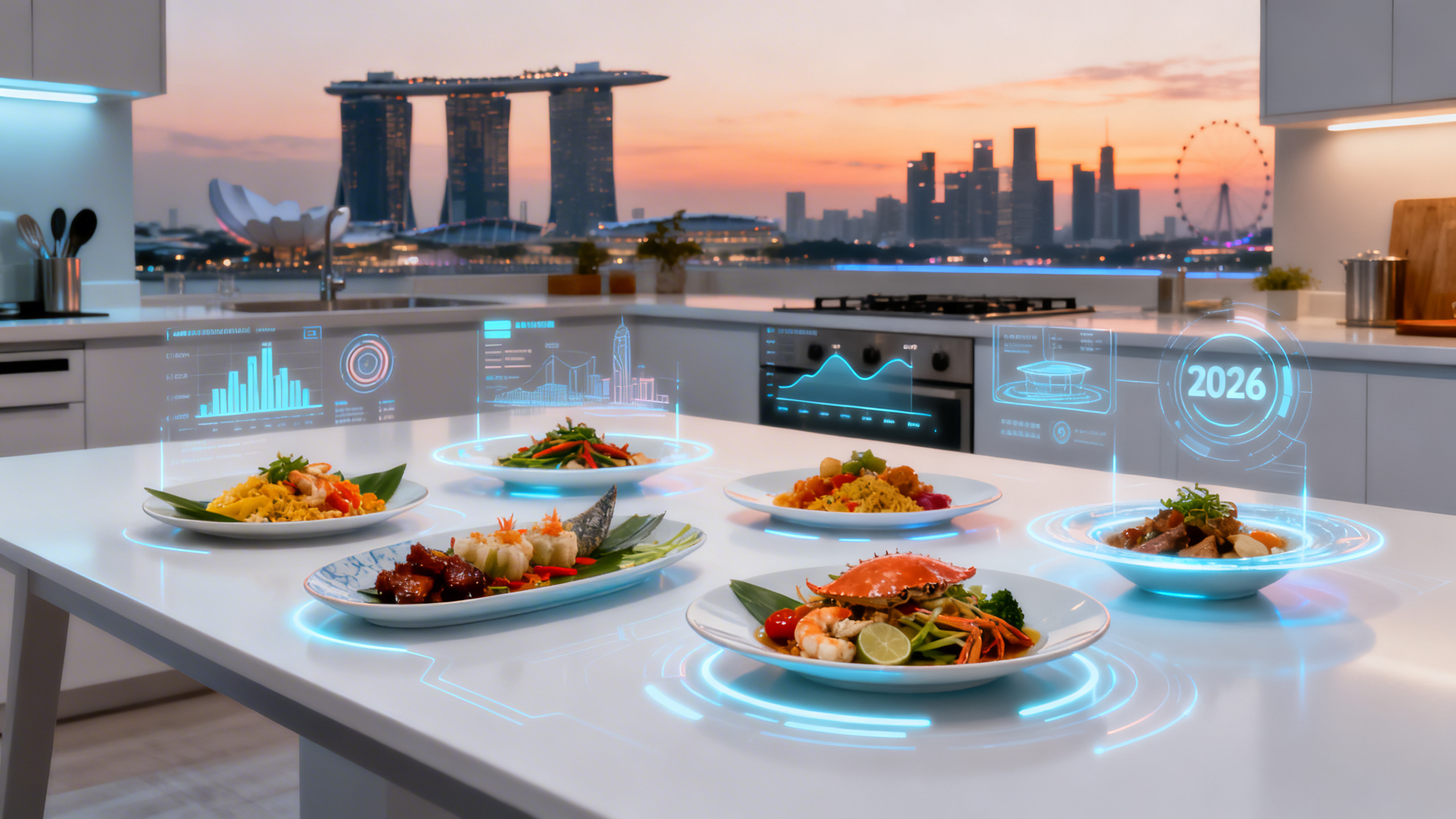
Introduction to Singapore’s Culinary Landscape in 2026
Singapore’s food scene has long been a vibrant tapestry woven from diverse cultures and innovative techniques. In 2026, the city-state continues to lead Southeast Asia as a culinary hotspot by blending tradition with futuristic food trends. This year, food enthusiasts can expect a journey that not only tantalizes the taste buds but also embraces sustainability, technology, and wellness in unprecedented ways.
Singapore’s reputation as a food paradise is backed by its innovative approach to gastronomy and its capacity to adapt to global changes, including the rising demand for plant-based options and eco-conscious dining. Whether you are a local or a traveler, exploring the city’s 2026 food trends offers deep insights into how food culture evolves while staying rooted in rich heritage.
Plant-Based Revolution Meets Local Flavors
One of the most significant trends marking Singapore’s culinary scene in 2026 is the rise of plant-based cuisine infused with local flavors. Restaurants here are creatively using indigenous ingredients like pandan, turmeric, and tempeh to craft dishes that honor traditional recipes yet appeal to modern, health-conscious diners. For instance, hawker centers that have traditionally served meat-centric dishes are now offering vibrant meatless renditions of classics like Hainanese chicken rice and laksa using plant-based proteins that mimic texture and taste.
This shift is not only about catering to vegetarians or vegans but also reflects a growing awareness of sustainability. By reducing reliance on animal products, chefs contribute to lower carbon footprints and promote environmental stewardship. This comes with an educational component as eateries highlight the benefits of such choices and encourage experimentation with bold and innovative flavors.
Tech-Driven Culinary Experiences
Technological integration in food preparation and dining has taken a leap in Singapore’s 2026 food culture. From AI-assisted kitchens to augmented reality (AR) menus, technology is enhancing how dishes are crafted and experienced. Some upscale restaurants are using robotic chefs that ensure precision and consistency, allowing human chefs to focus on creative aspects.
One example is the use of AR menus where diners can visualize a 3D presentation of their meal before ordering, offering a highly interactive and informed experience. Additionally, personalized nutrition apps connected with restaurant menus allow guests to customize dishes based on dietary needs, allergies, or health goals. This convergence of food and tech exemplifies Singapore’s role as a global innovator and sets new standards for customer-centric dining experiences.
Sustainability and Zero-Waste Initiatives
In 2026, sustainability remains a key pillar in Singapore’s culinary narrative. Several restaurants and cafes have adopted zero-waste policies by repurposing food scraps, composting, and sourcing ingredients locally to reduce transportation emissions. Community-supported agriculture (CSA) programs are also gaining momentum, linking diners directly with local farmers who practice regenerative agriculture.
For example, some eateries now host workshops or events that educate patrons on reducing food waste at home and in restaurants. These initiatives not only serve the environment but also create a stronger community connection by fostering shared responsibility for food production and consumption. By spotlighting these efforts, Singapore encourages an inclusive food culture where sustainability is integrated into everyday eating habits.
Global Fusion with Authentic Roots
Singapore’s multicultural identity continues to inspire a fusion of global culinary influences with authentic roots in 2026. The food scene celebrates this diversity by merging ingredients and techniques from Chinese, Malay, Indian, Peranakan, and Western traditions. Such fusion is evident in new dishes that blend spices, textures, and presentation styles to create unique gastronomic experiences.
An example would be the emergence of fusion street food markets where you can savor truffle-infused chili crab or turmeric-spiced ramen. This trend reveals a dynamic food culture that respects tradition while embracing innovation, attracting food tourists eager to explore bold and harmonious flavors found nowhere else.
Conclusion: A Journey Worth Savoring
Singapore’s 2026 food trends demonstrate a harmonious blend of innovation, sustainability, and cultural pride. From pioneering plant-based dishes and tech-enhanced dining to zero-waste initiatives and vibrant fusion cuisine, the city invites food lovers on a journey that excites every sense while fostering a deeper connection to the food we eat and the world we live in.
For travelers planning a visit or locals eager to rediscover their city’s culinary gems, 2026 promises a transformative food adventure filled with surprises and delights. The evolving food landscape reflects a community that honors heritage, embraces modernity, and champions responsibility, making every meal a celebration of life itself.