
Essential Travel Tips for 2026: Navigating Post-Pandemic Journeys
The travel landscape in 2026 has undergone significant transformations, influenced by the lingering effects of the COVID-19 pandemic and evolving global trends. As travelers embark on new adventures, it’s crucial to adapt to these changes to ensure a safe, enjoyable, and responsible journey. Here are some essential travel tips to navigate the post-pandemic world:
1. Prioritize Health and Safety
Health and safety remain paramount in 2026. While many countries have relaxed strict COVID-19 restrictions, it’s advisable to stay informed about the health protocols of your destination. Carrying a digital or physical copy of your vaccination records is recommended, as some countries may still require proof of vaccination for entry. Additionally, consider obtaining destination-specific vaccinations, such as hepatitis A, typhoid, or yellow fever, especially if traveling to rural or adventure destinations. Always check the latest travel advisories and health guidelines before departure.
2. Embrace Sustainable and Eco-Conscious Travel
Environmental awareness has become a central theme in travel planning. In 2026, travelers are increasingly opting for eco-friendly accommodations, such as hotels with green certifications, and choosing modes of transport that minimize carbon footprints, like trains over planes for short distances. Supporting local businesses and avoiding single-use plastics are also key practices. This shift reflects a broader commitment to sustainable tourism, aiming to preserve destinations for future generations.
3. Plan Ahead for Popular Destinations
Overtourism has led many popular destinations to implement stricter regulations. Cities like Barcelona have increased tourist taxes and limited cruise-ship docking capacities. To avoid disappointment, it’s essential to book accommodations and attractions well in advance. Exploring less crowded alternatives, such as secondary cities or emerging regions, can offer authentic experiences without the crowds. For instance, destinations like Bologna or Mérida provide rich cultural immersion with fewer tourists.
4. Leverage Technology for Seamless Travel
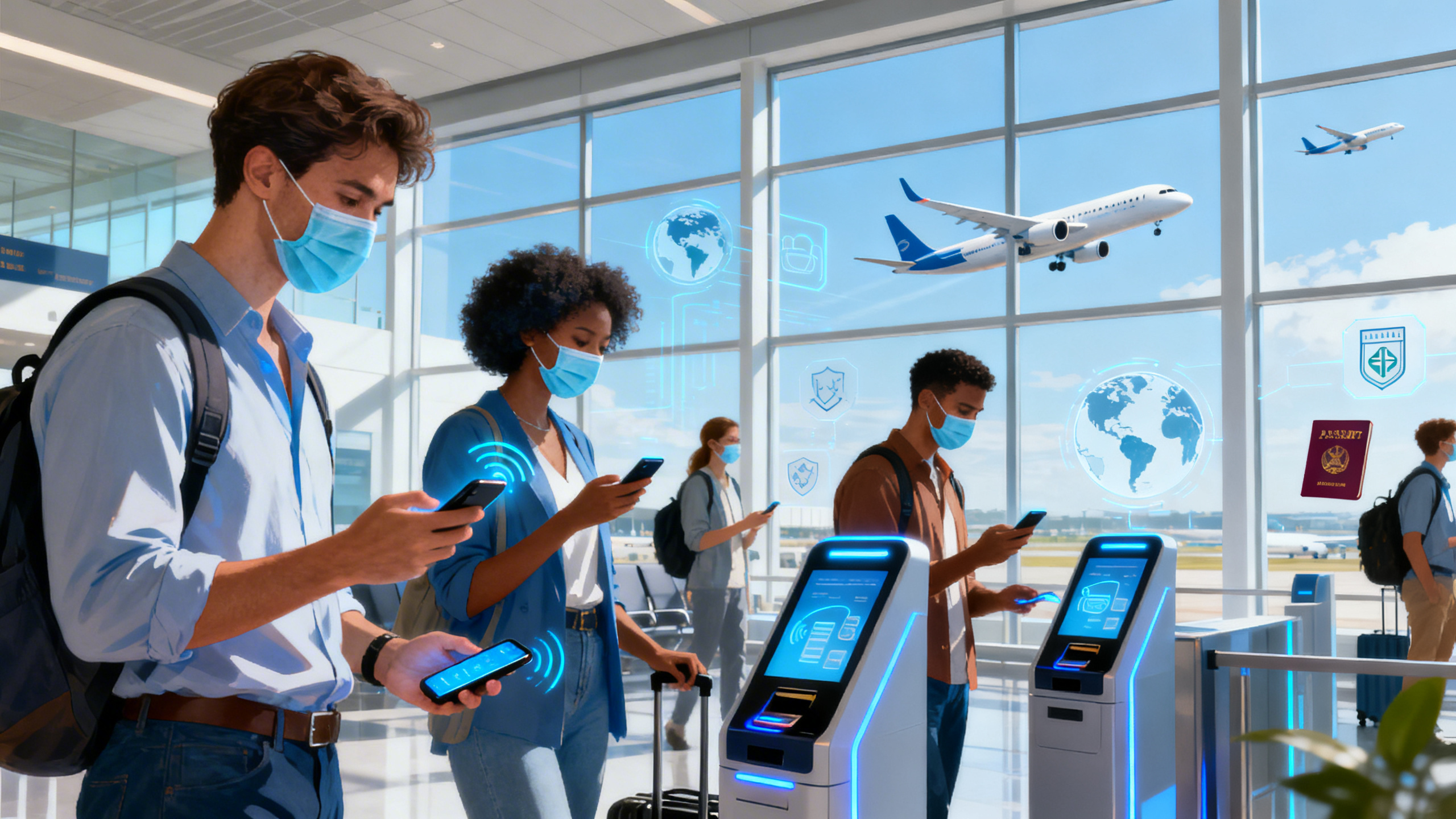
Advancements in technology have revolutionized the travel experience. AI-powered platforms can now create personalized itineraries, while augmented reality (AR) enhances museum visits and historical tours with interactive experiences. Biometric check-ins at airports expedite security and boarding processes. Embracing these technologies can lead to a more efficient and enjoyable journey. However, travelers should remain vigilant against AI-driven scams, such as fraudulent booking platforms or phishing attacks, by verifying information through trusted sources.
5. Opt for Shorter, Flexible Trips
Micro-cations, or short trips lasting 2-4 days, have gained popularity, allowing travelers to explore new destinations without taking extended time off work. This trend is facilitated by remote work options, enabling individuals to combine work and leisure seamlessly. Shorter trips reduce planning stress and offer more frequent travel opportunities, making it easier to fit into busy schedules. Additionally, they can be more affordable than long vacations, allowing for deeper exploration of destinations.
6. Focus on Wellness and Meaningful Experiences
Wellness tourism has expanded beyond traditional spa retreats to include science-backed programs addressing physical and mental health. From Ayurveda retreats in India to restorative getaways in Central America and Canada, wellness trips are pitched as long-term investments in well-being. Travelers are seeking experiences that offer personal growth, cultural immersion, and a deeper connection to the places they visit. This shift reflects a desire for travel that enriches the mind and body, moving beyond mere relaxation.
7. Stay Informed About Local Conditions and Regulations
Before traveling, it’s crucial to stay updated on local conditions, including weather forecasts, political climate, and any travel advisories. For example, in New York City, a blizzard warning is in effect from Sunday, 6:00 AM EST until Monday, 6:00 PM EST, with total snow accumulations between 13 and 18 inches and winds gusting as high as 55 mph. Such conditions can significantly impact travel plans, making it essential to monitor local news and adjust itineraries accordingly. Always check the latest information from reliable sources to ensure a safe journey.
8. Prepare for Technological Disruptions
While technology enhances the travel experience, it also introduces potential challenges. Reliance on digital systems means that a single glitch can lead to delays or cancellations. For instance, airport systems, booking platforms, and operational software may face outages or cyberattacks. To mitigate these risks, maintain flexibility in travel dates and opt for refundable booking options when possible. Additionally, be cautious of AI-driven scams targeting travelers, such as fraudulent booking platforms or phishing attacks, by verifying information through trusted sources.
By staying informed and adaptable, travelers can navigate the evolving landscape of 2026, ensuring enriching and responsible travel experiences that contribute positively to the destinations they visit.