
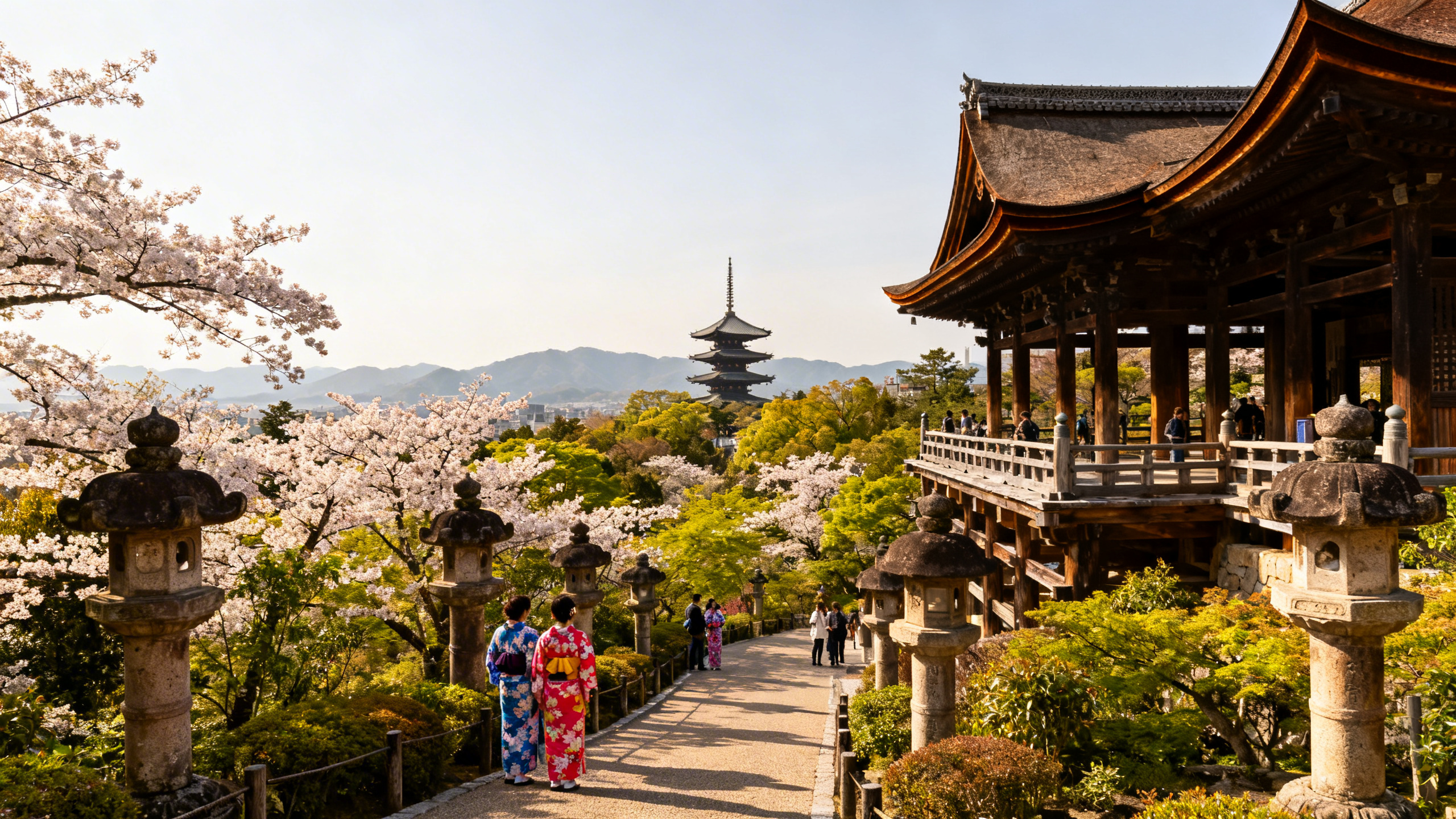
Introduction to Kyoto’s Timeless Allure
Kyoto, once the imperial capital of Japan for over a millennium, offers an unmatched window into Japan’s rich cultural heritage. Visiting Kyoto in 2026 means stepping into a living museum where ancient traditions and historic sites coalesce with modern-day life. The city is renowned for its exquisite temples, stunning gardens, traditional tea houses, and vibrant festivals that celebrate Japan’s cultural essence.
Immersing yourself in Kyoto means more than just sightseeing; it’s an experiential journey into the heart of Japanese history, spirituality, and artistry. Each temple and shrine speaks volumes about Japan’s religious and philosophical traditions, while local artisans preserve age-old crafts such as kimono weaving and pottery.
Historic Sites That Shape Kyoto’s Identity
Kyoto’s historic landmarks are integral for understanding its deep cultural roots. The iconic Kinkaku-ji, or Golden Pavilion, exemplifies the Zen Buddhist architecture and garden design, reflecting tranquility and spiritual harmony. Visitors can explore the surrounding gardens, which are meticulously designed to mirror the changing seasons, offering a different scenic beauty each visit.
Another must-visit is Fushimi Inari Taisha, famous for its thousands of vermillion torii gates that create a mesmerizing pathway up the mountain. This Shinto shrine is dedicated to Inari, the god of rice and prosperity, and its immersive trail offers both physical exertion and spiritual reflection.
Experience Kyoto’s Living Traditions
Kyoto is renowned for preserving traditional Japanese arts and customs. Watching a tea ceremony in Gion, the historic geisha district, provides an intimate understanding of the ritual’s precision and cultural significance. This centuries-old ceremony is much more than serving tea; it embodies harmony, respect, purity, and tranquility — core values in Japanese culture.
In addition to tea ceremonies, Kyoto’s festivals are vivid expressions of local heritage. The Gion Matsuri, held every July, is one of Japan’s most famous festivals featuring elaborate floats and processions that date back to the 9th century. Participating in or witnessing such events allows travelers to connect with Kyoto’s festive spirit and communal traditions.
A Walk Through Traditional Kyoto Neighborhoods
The charm of Kyoto also lies in its well-preserved neighborhoods like Higashiyama and Arashiyama. Wander through narrow lanes lined with traditional wooden machiya houses, quaint shops, and authentic eateries. These districts offer a glimpse into Edo-period urban living, combined with modern comforts.
Arashiyama, with its bamboo groves and river views, provides an idyllic setting for reflection and nature appreciation. In contrast, the Philosopher’s Path near Gion offers a serene stroll along a cherry blossom-lined canal, especially breathtaking during sakura season, deeply connecting visitors with nature and philosophy intertwined in Japanese culture.
Practical Tips for Your Kyoto Visit in 2026
Visiting Kyoto requires thoughtful planning to fully appreciate its cultural depth. Consider timing your trip during spring or autumn when the natural scenery complements the historic sites spectacularly. Utilizing local transport like buses and trains is convenient, but renting a bicycle gives greater flexibility to explore hidden gems in narrow streets.
Accommodations vary from traditional ryokans with tatami mats and onsen baths to modern hotels, all providing a comfortable base for cultural exploration. Engaging local guides or participating in workshops, such as calligraphy or ikebana (flower arranging), can enrich your understanding and provide hands-on cultural experiences.
Conclusion: Journey Beyond the Surface
Kyoto is not just a destination but an immersive cultural experience that invites travelers to explore Japan’s historic legacy and timeless traditions deeply. Whether marveling at its stunning temples, participating in authentic traditions, or wandering its charming streets, Kyoto offers a meaningful, enriching journey through the heart of Japanese culture.