
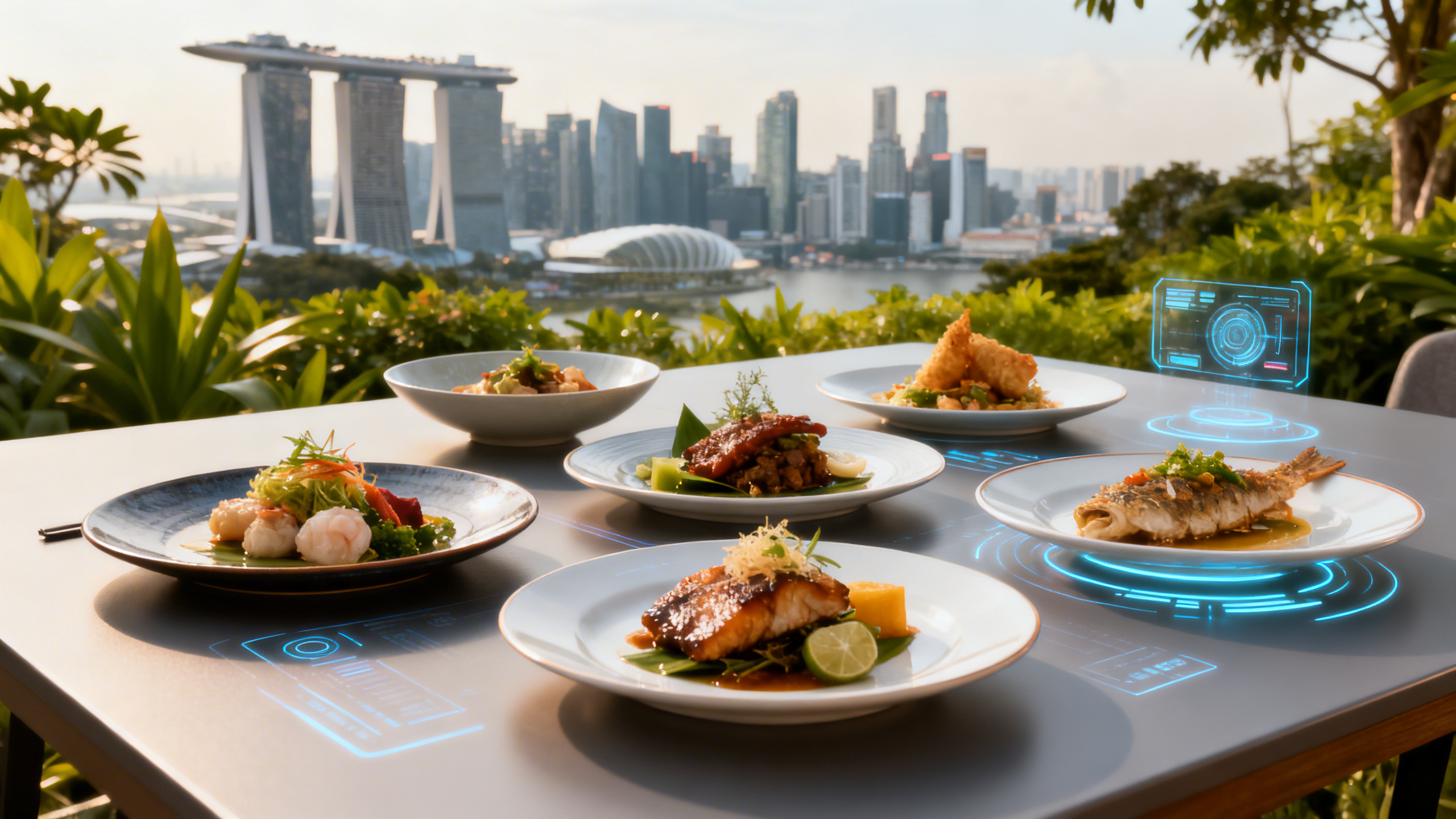
Introduction to Singapore’s Food Scene in 2026
Singapore has long been celebrated as a melting pot of flavors, where tradition meets innovation on every plate. In 2026, the city-state’s food landscape continues to evolve dynamically, fueled by a blend of sustainability, tech integration, and multicultural influences. This year, the culinary scene invites both locals and travelers on an exciting journey through bold flavors, eco-conscious dining, and cutting-edge gastronomic experiences.
The food trends emerging in 2026 not only reflect global shifts but also highlight Singapore’s unique positioning as a hub for culinary creativity. Whether you’re a foodie seeking the next extraordinary bite or a casual diner exploring new tastes, Singapore’s offerings promise to be a vibrant showcase of both heritage and futuristic innovations.
Trend 1: Sustainable and Eco-Friendly Dining
One of the most prominent trends in Singapore’s food scene this year is sustainability. Restaurants are increasingly adopting farm-to-table practices, sourcing ingredients locally to reduce carbon footprints and support regional farmers. For example, urban farms like Comcrop are providing fresh, pesticide-free vegetables to city restaurants, ensuring that meals are not only delicious but environmentally responsible.
Additionally, many eateries are minimizing food waste by using creative recipes that utilize all parts of the ingredients, from root to leaf. Upcycling and zero-waste kitchens are becoming standard rather than niche options. More venues are also packaging takeaways in biodegradable materials, reflecting a comprehensive approach to eco-friendliness that aligns with Singapore’s Green Plan 2030 goals.
Trend 2: Tech-Driven Culinary Experiences
Singapore’s status as a tech-savvy metropolis is influencing the culinary domain profoundly. In 2026, diners can expect to encounter AI-powered menus that personalize recommendations based on dietary preferences and past orders. Some restaurants have integrated augmented reality (AR) to enhance the dining experience, allowing guests to visualize dish origins or cooking processes through interactive displays.
Robotics are also playing a bigger role in kitchens and service delivery, enhancing precision and efficiency. For instance, some hawker centers are experimenting with robot chefs that maintain consistency while freeing human chefs to focus on creative aspects. This fusion of technology and food enriches the gastronomic journey and appeals to the younger, digitally native generation.
Trend 3: Rediscovery of Heritage Flavors with a Modern Twist
While innovation is at the forefront, there is a strong resurgence of love for traditional Singaporean flavors, reimagined with modern culinary techniques. Dishes like laksa, chili crab, and kaya toast are being transformed in upscale restaurants and fusion eateries, blending age-old recipes with contemporary presentation and ingredient combinations.
Chefs are spotlighting heritage ingredients such as pandan, gula melaka, and belacan, incorporating them into inventive desserts and savory dishes. This revival not only preserves cultural identity but also brings a fresh perspective that captivates both local food lovers and international visitors eager to explore authentic Singaporean tastes.
Trend 4: Plant-Based and Alternative Proteins
The plant-based movement continues to gain momentum in Singapore’s 2026 food scene. Reflecting global health trends and environmental concerns, more eateries now offer innovative meat alternatives crafted from legumes, mushrooms, and lab-grown proteins. This shift offers options for vegans, vegetarians, and flexitarians without compromising on flavor or texture.
Restaurants such as Grain and Herbivore have built strong reputations by centering their menus around imaginative plant-forward dishes that appeal beyond just plant-based eaters. These venues illustrate how Singapore balances forward-thinking culinary science with the island’s rich tapestry of tastes and ingredients, making plant-based dining an exciting avenue for all food enthusiasts.
Conclusion: Why 2026 is a Must-Experience Year for Foodies in Singapore
Singapore in 2026 is a culinary playground where tradition, innovation, and sustainability intersect to craft extraordinary food experiences. The city’s food trends reflect a deep appreciation for heritage, a forward-looking embrace of technology, and a strong commitment to environmental responsibility. From sustainable farm-to-table initiatives to tech-enhanced dining and plant-based innovations, each aspect enriches Singapore’s reputation as a global foodie destination.
Whether you are savoring a modern take on laksa, enjoying an AI-curated meal, or indulging in eco-conscious delicacies, Singapore’s culinary journey in 2026 promises to delight and inspire every palate. It’s a vibrant celebration of diversity, creativity, and the shared joy of food.