
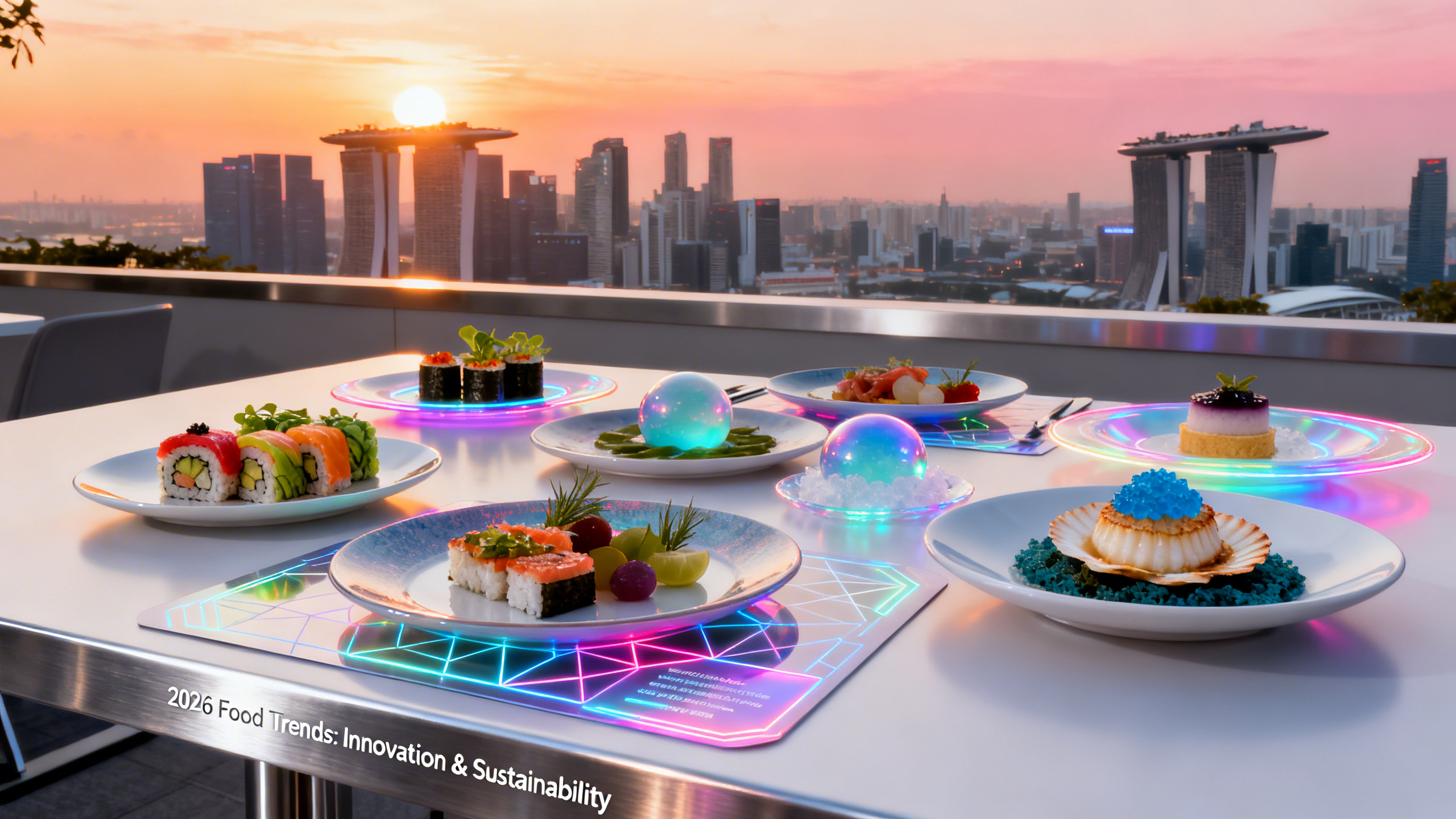
Introduction to Singapore’s Culinary Evolution in 2026
Singapore is renowned globally as a vibrant food paradise, blending diverse cultures and flavors into a unique gastronomical tapestry. In 2026, the city-state continues to evolve its culinary landscape, embracing innovation while honoring tradition. To truly appreciate Singapore’s food scene this year, one must dive deep beyond popular hawker fare and Michelin-starred restaurants to understand emerging trends shaping the palates and preferences of locals and visitors alike.
The fusion of ancient recipes and futuristic techniques has given rise to new flavors, dining experiences, and sustainable practices. This blog embarks on a culinary journey through Singapore’s 2026 food trends, highlighting how technology, sustainability, health consciousness, and multicultural influences redefine what and how Singaporeans eat.
Sustainable Eating and Plant-Based Innovation
Sustainability remains a dominant theme in 2026’s food trends. Singapore, heavily reliant on food imports, is making remarkable strides to boost local production and reduce carbon footprints. Vertical farming and urban agriculture initiatives are more prominent, feeding into the farm-to-table movement gaining traction in the city.
Plant-based foods are no longer niche. Innovative alternatives derived from mushrooms, legumes, and even lab-grown meat technologies are appearing in many menus, offering eco-friendly protein sources without compromising flavor or texture. For example, celebrated chefs in Singapore’s culinary scene are crafting dishes featuring jackfruit ‘meat,’ pea-protein burgers, and algae-based snacks that appeal to both vegans and curious omnivores. This shift not only addresses environmental concerns but also taps into a health-conscious consumer base.
Tech-Driven Culinary Experiences
Technology is radically transforming how Singaporeans experience food. Beyond just food delivery apps or digital menus, immersive technology is creating new ways to savor a meal. Virtual Reality (VR) and Augmented Reality (AR) are enhancing dining settings by transporting guests to thematic worlds—from traditional Singaporean shophouses to futuristic space-themed eateries. This multisensory approach enriches the sensory appeal of eating out.
Moreover, AI-driven personalized nutrition is gaining momentum. Restaurants and food outlets increasingly use AI to analyze customers’ dietary needs and preferences, offering tailored meal plans. This precision eating not only improves health outcomes but also reduces food wastage. Singapore’s startups are at the forefront, building platforms that merge gastronomy with health data for optimized diets.
Rediscovering Heritage with a Modern Twist
While innovation is key, Singapore’s culinary identity remains deeply rooted in heritage. In 2026, a significant trend is the reinterpretation of traditional dishes with modern techniques and presentation styles. Chefs respectfully revisit family recipes from Chinese, Malay, Indian, and Peranakan cultures, infusing them with contemporary elements.
This trend is evident in the resurgence of lesser-known regional flavors and ingredients, such as cincalok (fermented shrimp paste) and buah keluak (black nuts), featuring prominently in refined menus. This culinary homage preserves cultural memories while introducing these tastes to a new generation and international diners, creating a bridge between past and present.
Health and Wellness on the Menu
The pandemic era has heightened awareness around health and nutrition, a consciousness that continues robustly into 2026. Singaporeans are gravitating towards foods that offer functional benefits like boosting immunity, improving gut health, and enhancing mental clarity. The rise of adaptogens, fermented foods, and nutrient-dense superfoods is notable across cafés and fine dining alike.
Juice bars, wellness cafés, and salad-centric eateries are proliferating, offering ingredient transparency and customizable options. For instance, turmeric lattes, mushroom elixirs, and probiotic-rich kimchi bowls are no longer experimental but mainstream choices. This trend emphasizes not only what tastes good but also what nourishes the body and mind holistically.
Conclusion: A Dynamic Culinary Landscape
Singapore’s food trends in 2026 showcase a fascinating blend of sustainability, technology, heritage, and wellness. This culinary journey reveals a city constantly reinventing itself while holding steadfast to the core values that made it a gastronomic beacon. Whether you’re a local foodie or a global traveler, Singapore offers a unique chance to experience food that feeds both the soul and the future.
Exploring these trends firsthand means indulging in dishes crafted with care, innovation, and respect for tradition—a truly enriching experience that mirrors the essence of Singapore itself.