
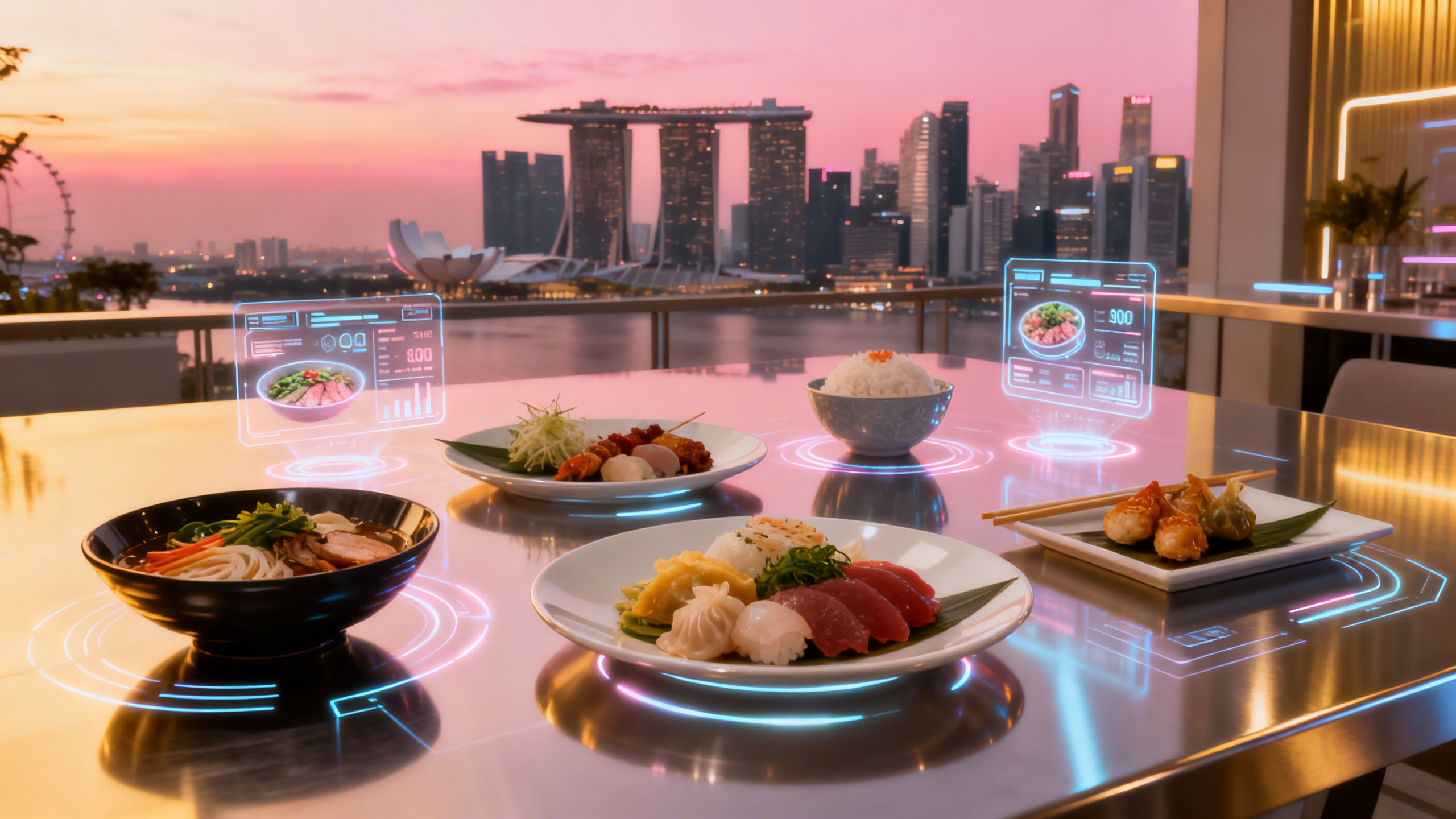
Introduction to Singapore’s Culinary Scene in 2026
Singapore, known as a global food paradise, continues to evolve and innovate its culinary landscape in 2026. The city-state’s vibrant food culture, rich with multicultural influences, embraces both tradition and modernity. This year, Singapore’s food trends offer a diverse gastronomic journey that reflects global shifts toward sustainability, health consciousness, and technological integration into dining experiences.
From hawker favorites to upscale fine dining, the food trends of 2026 promise rich flavors, sustainable practices, and innovative presentation styles, making it the perfect time for food lovers to explore the city’s dynamic foodscape.
Trend 1: Sustainable and Ethical Eating Takes Center Stage
In 2026, sustainability is no longer just a buzzword but a core principle shaping Singapore’s food industry. Restaurants and hawkers alike are committing to zero-waste kitchens and sourcing local, organic produce. For example, urban farms have become integral partners for many eateries, providing fresh, hyperlocal ingredients that reduce carbon footprints.
Moreover, plant-based and alternative protein dishes have surged in popularity among Singaporeans. Innovative uses of ingredients like jackfruit, tempeh, and lab-grown meats create new textures and flavors that appeal to both vegetarians and meat-eaters looking to reduce their environmental impact. The rise of sustainable seafood, such as responsibly farmed fish and seaweed-based dishes, also reflects consumers’ growing awareness of ocean conservation.
Trend 2: Health-Oriented Fusion Cuisine
Health-consciousness in 2026 has inspired chefs to blend traditional Asian flavors with global health trends, resulting in unique fusion dishes that prioritize nutrition without compromising taste. This can be seen in creations like quinoa laksa or turmeric-infused ramen, where superfoods blend seamlessly with familiar spices and broths.
In addition, there is an increased focus on gut-friendly foods, such as fermented vegetables and beverages. Traditional Singaporean pickled dishes are being revisited with modern techniques to boost probiotics, aligning with the wellness movement that emphasizes digestive health. This culinary trend offers both taste and tangible health benefits, resonating well with Singapore’s dynamic, health-savvy population.
Trend 3: Tech-Enhanced Dining Experiences
Singapore remains at the forefront of integrating technology within its food industry. In 2026, expect more restaurants adopting AI-driven personalized menus, where diners receive meal recommendations based on their health data and flavor preferences. This cutting-edge approach enhances satisfaction and promotes healthier eating habits.
Augmented reality (AR) and virtual reality (VR) dining experiences are also gaining momentum. Patrons can now enjoy immersive storytelling as part of their meal, learning about the origins of ingredients or the cultural history behind their dishes. Additionally, robotic automation aids in precision cooking and speedy service, addressing labor shortages and optimizing efficiency in bustling culinary hotspots.
Trend 4: Revitalization of Heritage and Hawker Culture
While innovation thrives, Singaporeans deeply cherish their heritage food roots. 2026 marks a renaissance of hawker culture, where young chefs are reinventing classic dishes while honoring authentic flavors. This revival is supported by government efforts to safeguard hawker traditions as UNESCO intangible cultural heritage.
Iconic dishes like Hainanese chicken rice, laksa, and char kway teow see creative reinterpretations that attract a new generation of food enthusiasts. Furthermore, hawker centers undergo modernization with improved hygiene and ambiance, combining traditional charm with contemporary comfort. This blend ensures the hawker culture remains vibrant and accessible in the modern age.
Conclusion: A Culinary Future Rooted in Innovation and Tradition
As Singapore embraces 2026, its food trends reveal a city that values sustainability, health, technology, and heritage equally. Whether you are exploring sustainable eateries in Tiong Bahru, indulging in health-focused fusion dishes in Orchard Road, or enjoying the lively atmosphere of revamped hawker centers, Singapore offers an unparalleled culinary journey.
These trends not only enhance the dining experience but also reflect broader cultural and environmental consciousness, making every bite a step toward a more thoughtful and delicious future.