
Introduction
In 2026, Singapore continues to solidify its reputation as a global food capital, where innovation meets tradition in a spectacular culinary fusion. As a melting pot of cultures, Singapore’s food scene is vibrant, dynamic, and ever-evolving. Whether you are a gourmet explorer or a casual foodie, the island city-state offers an exhilarating journey through flavors, textures, and pioneering trends that define the coming year. Join me as we dive deep into Singapore’s most exciting food trends in 2026 and discover how this city is transforming dining experiences.
Embracing Sustainability with a Local Twist
One of the most notable food trends in 2026 Singapore is the intensified focus on sustainability. Restaurateurs and chefs are increasingly dedicated to reducing food waste, sourcing ingredients locally, and prioritizing eco-friendly practices. This means more farm-to-table eateries are springing up, highlighting hyper-local produce and artisanal products. For example, chefs are creatively using indigenous herbs and vegetables from Singapore’s urban farms such as Edible Garden City, which supports a closed-loop farming system that reduces carbon footprints.
This sustainability movement goes beyond ingredients. Restaurants are turning to compostable packaging and minimizing single-use plastics, reflecting a collective effort to address global environmental challenges. Diners in Singapore can now expect to savor delectable meals that are not only innovative but also socially responsible, showcasing an inspiring fusion of taste and ethics.
The Rise of Plant-Based Gastronomy
Plant-based diets have surged in popularity worldwide, and Singapore’s culinary scene is no exception. The year 2026 showcases an exciting array of plant-based dining options, pushing the boundaries of meatless cuisine. From gourmet plant-based hawker stalls to high-end vegan fine dining, chefs are mastering textures and flavors that surprise even the most dedicated carnivores.
Local Singaporean dishes are being reimagined with plant-based ingredients, such as vegan laksa made with coconut milk and mushroom broth, or jackfruit rendang substituting traditional beef rendang, delivering authentic tastes with a modern conscience. Furthermore, collaborations with innovative food tech companies are introducing cultured meat and sustainable seafood alternatives to menus, ensuring that diners have exciting options that balance taste with environmental responsibility.
Fusion of Heritage and Innovation
Singapore’s culinary identity is steeped in multicultural heritage—from Chinese, Malay, Indian, to Peranakan influences—and 2026 sees a remarkable fusion trend where tradition meets innovation. Chefs are reimagining classic dishes with contemporary techniques such as sous vide, fermentation, and molecular gastronomy to elevate familiar flavors into novel experiences.
For example, iconic dishes like Hainanese chicken rice might be served with a modern twist—smoked chicken breast paired with truffle oil rice, or chili crab maki rolls blending Japanese precision with Singapore’s beloved seafood. This trend is not simply about combining cultures but about deep respect for culinary legacies while innovating to satisfy curious palates. It offers both locals and tourists a fresh perspective on timeless Singaporean food heritage.
Tech-Infused Dining Experiences
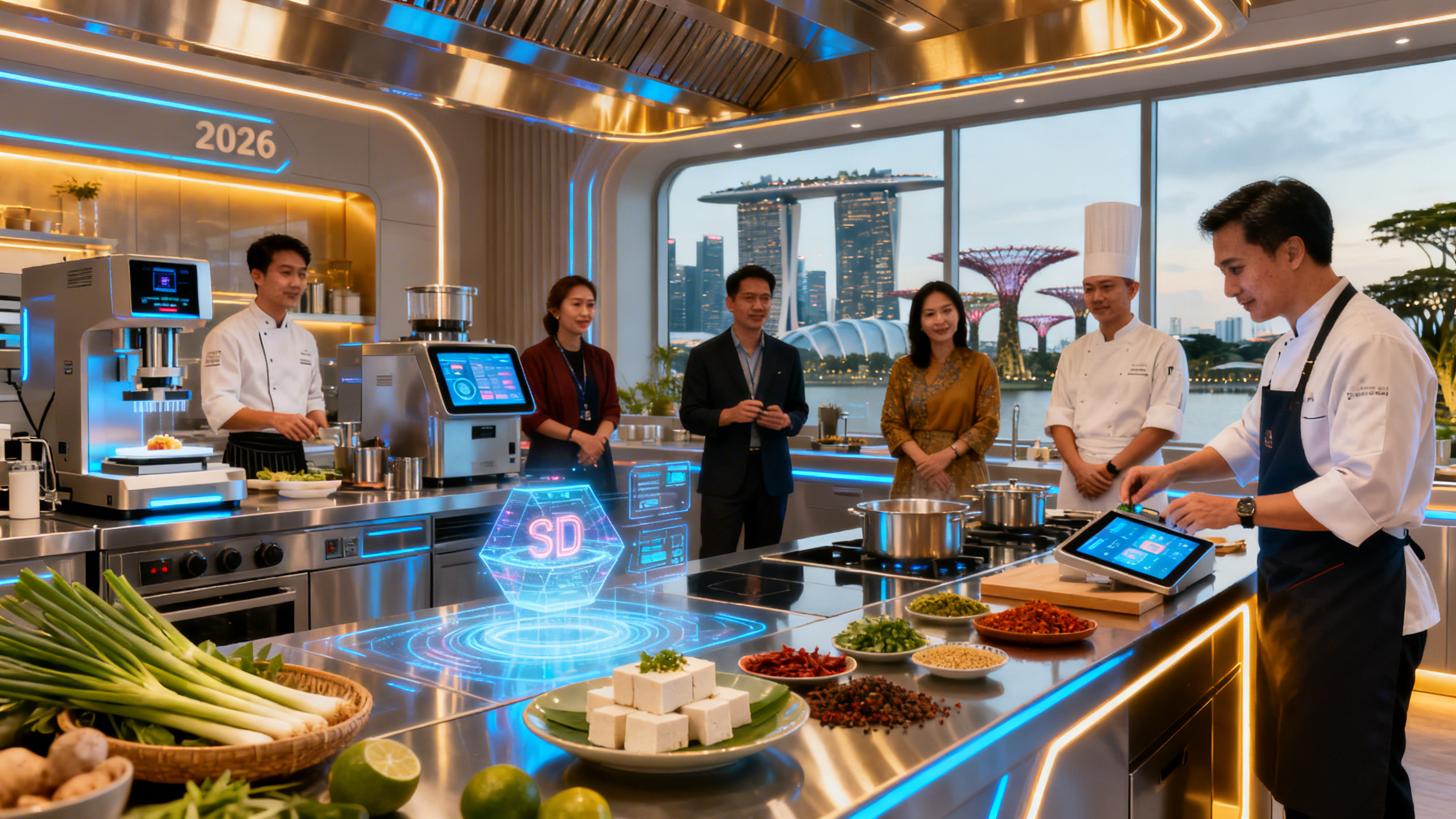
Leveraging Singapore’s tech-savvy ecosystem, 2026 food trends also embrace technology to redefine dining experiences. Augmented reality (AR) menus, AI-powered personalized meal recommendations, and automated kitchens are becoming more common in the city’s restaurants. Some establishments even integrate robotics to provide precision in cooking or serve dishes efficiently, catering to convenience without compromising quality.
This tech integration extends to sustainability too, with smart inventory systems reducing waste and blockchain ensuring transparency in ingredient sourcing. It fosters a futuristic dining atmosphere that complements Singapore’s bustling urban lifestyle and showcases the city’s commitment to blending tradition with modernity through technology.
Conclusion
Singapore’s 2026 food trends reflect a captivating culinary journey where sustainability, innovation, and heritage intertwine beautifully. This city’s foodscape offers an extraordinary array of flavors and experiences that are not only delicious but mindful of social and environmental impact. Whether you’re savoring plant-based reinterpretations of local favorites or enjoying tech-enhanced dining, Singapore presents an inspiring illustration of how food can evolve while honoring its roots. As a travel and food enthusiast, I encourage you to explore these trends firsthand to truly appreciate the richness of Singapore’s evolving culinary story in 2026.
Ready your taste buds and embark on this delightful journey—Singapore in 2026 promises to make every meal an unforgettable adventure!