
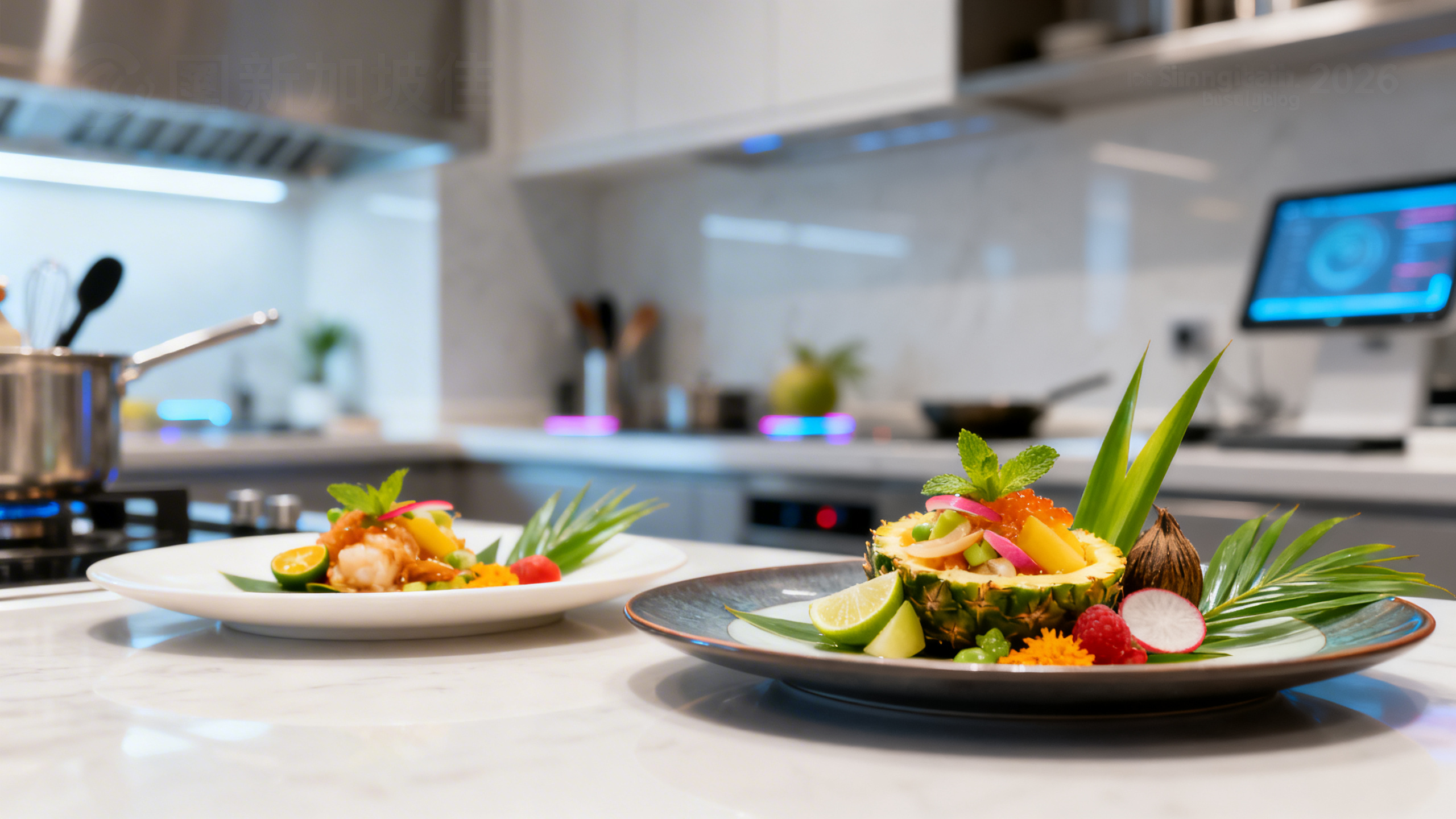
Introduction to Singapore’s Evolving Food Scene in 2026
Singapore has always been a beacon of culinary innovation, known worldwide for its diverse and vibrant food culture. In 2026, the city-state continues to push boundaries, blending tradition with modernity and sustainability with flavor. Traveling through Singapore’s food landscape this year is a deeply enriching experience for any food lover, offering a taste of futuristic dining alongside beloved classics reinvented.
From hawker centers benefiting from tech-enhanced ordering to gourmet restaurants embracing plant-based ingredients, Singapore’s food trends in 2026 reflect broader global shifts, yet remain deeply rooted in local heritage. This blog will explore the most exciting and influential food trends set to define the island’s culinary identity this year.
1. Plant-Based Innovation Meets Local Flavors
One of the most significant trends is the surge of plant-based cuisine, not just as a health choice but as an ecological imperative. Singapore’s chefs are creatively incorporating locally inspired flavors into plant-based dishes, ensuring that traditional tastes are preserved while promoting sustainability. For instance, iconic dishes like chili crab and laksa are being reimagined with plant-based alternatives, offering guilt-free indulgence without compromising on authenticity.
Restaurants such as “Afterglow by Anglow” have received acclaim for their inventive vegan menus that celebrate Singapore’s multicultural essence. This trend highlights a deeper awareness among the population about environmental impact and personal health, which has catalyzed a remarkable culinary shift.
2. Tech-Driven Dining Experiences
Singapore continues to be a leader in integrating technology with dining to enhance customer experience. In 2026, augmented reality (AR) menus and AI-based personalized recommendations are becoming mainstream in both street food centers and upscale establishments. This technological infusion allows diners to explore ingredients, origin stories, and cooking methods in an interactive way, deepening their appreciation and connection to each meal.
Moreover, automated kitchens and robotic chefs are increasingly visible, especially in food courts and fast-casual dining, ensuring consistency and faster service. Notably, some hawker stalls now use apps for advanced pre-ordering and contactless payments, improving convenience while supporting local vendors.
3. Heritage and Fusion: Culinary Identities Redefined
Singapore’s unique culinary identity stems from its multicultural roots. In 2026, a rich revival of heritage dishes is evident, with chefs digging deeper into forgotten recipes or lesser-known ethnic traditions, then combining them with contemporary techniques. This approach is not only preserving cultural heritage but also appealing to younger generations craving authenticity but with a modern twist.
A shining example is the new wave of Peranakan cuisine that balances nostalgia and innovation, using heirloom ingredients but presenting dishes in novel formats. Fusion remains equally vibrant, with unexpected pairings such as Japanese and Malay influences or Indian spices sizzling in Western-style plating, showcasing Singapore’s openness to culinary experimentation.
4. Sustainability Takes Center Stage
Sustainability has transcended trend status to become a core value underpinning Singapore’s food strategy in 2026. From farm-to-table concepts to zero-waste kitchens, chefs and food entrepreneurs are committed to reducing environmental footprint while maintaining quality and creativity.
Urban farming initiatives have flourished, allowing restaurants to source fresh produce locally, reducing dependence on imports and ensuring ultra-fresh ingredients. Additionally, innovative packaging solutions using biodegradable materials and communal composting schemes are now widespread. This combined effort reflects Singapore’s dedication to not only culinary excellence but also social and environmental responsibility.
Conclusion: Why 2026 is a Must-Experience Year for Food Lovers in Singapore
Whether you are a foodie, a sustainability advocate, or simply an adventurous traveler, Singapore in 2026 offers an unparalleled gastronomic journey that blends technology, innovation, heritage, and environmental consciousness. With its dynamic food scene, Singapore continues to serve as a shining example of how culinary arts can evolve holistically, respecting tradition while embracing the future.
Planning your visit this year means diving into a world where every meal tells a story—of culture, innovation, and shared commitment to a better planet. So pack your appetite and get ready to savor the future of food in this remarkable city!