
Introduction to 2026 Travel Trends
As the world steps into 2026, the travel landscape is evolving rapidly, driven by new technologies, changing traveler preferences, and a growing emphasis on sustainability. Whether you’re a seasoned globetrotter or planning your first adventure, understanding the latest travel trends is crucial for making your journey both exciting and responsible. This guide dives deep into the modern exploration trends shaping 2026, offering insights that will help you travel smarter, greener, and more authentically.
1. Sustainable and Eco-Friendly Travel
One of the most prominent trends in 2026 is the enhanced focus on sustainability. Travelers now prioritize eco-friendly choices, from selecting accommodations that have green certifications to participating in activities that support local ecosystems. For example, destinations like Costa Rica and New Zealand have become pioneers in promoting conservation tourism, where tourists actively contribute to preserving natural habitats and wildlife.
Moreover, the rise of carbon offset programs allows travelers to mitigate the environmental impact of their flights by investing in renewable energy projects or reforestation efforts. Airlines and travel companies are also adopting greener practices, such as using sustainable aviation fuels and reducing single-use plastics, aligning their operations with the growing demand for responsible tourism.
2. Tech-Enhanced Travel Experiences
Technology continues to revolutionize how we explore the world in 2026. From AI-driven personalized itineraries to virtual reality previews of destinations, modern travelers have a wealth of tools at their fingertips. For example, apps like Rome2Rio and Google Travel help plan complex itineraries by providing real-time updates on transportation options and travel advisories.
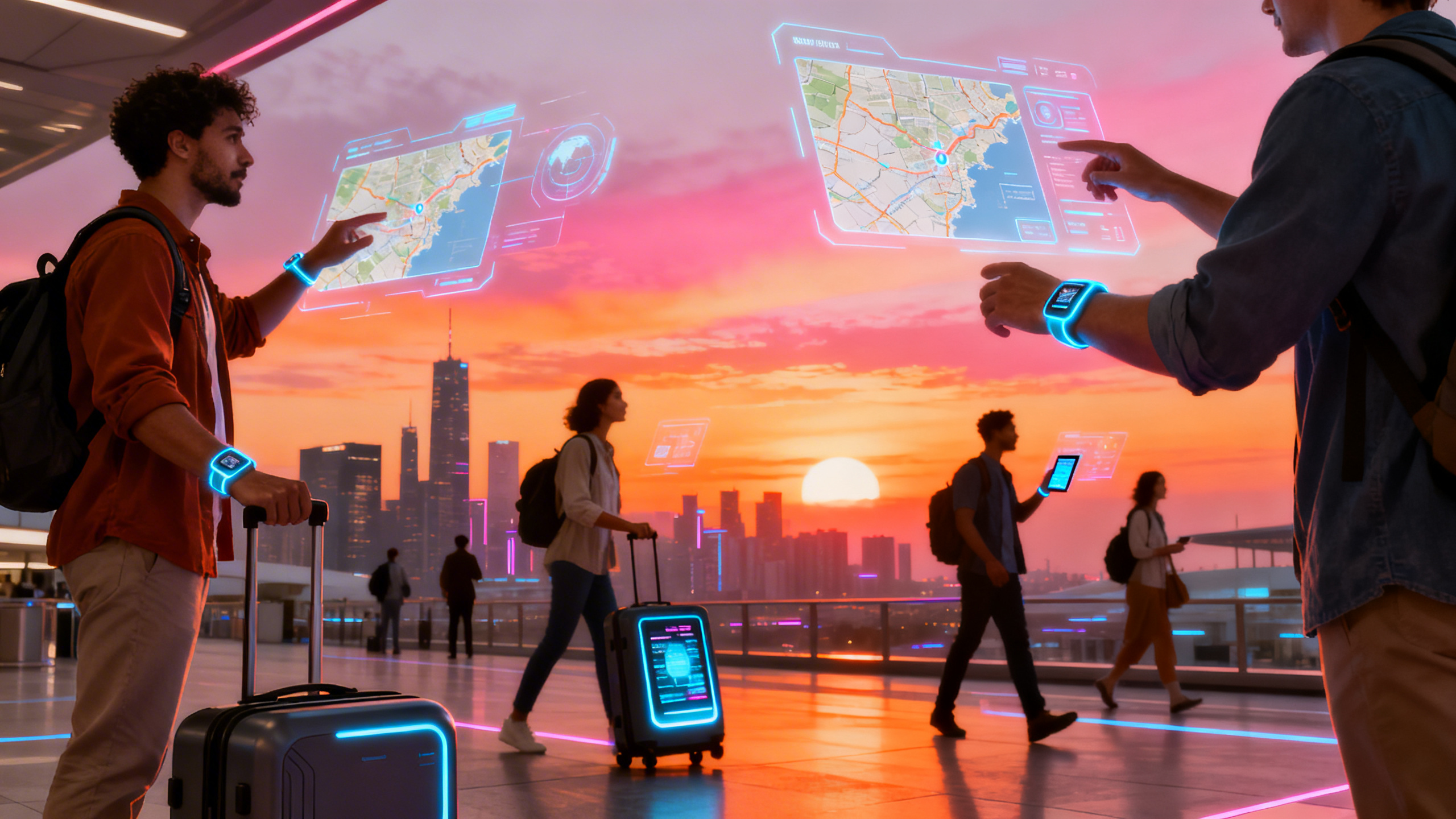
Wearable tech and augmented reality (AR) offer immersive experiences, such as augmented city tours or interactive museum guides, making sightseeing more engaging and informative. Additionally, blockchain technology is improving travel security through digital passports and seamless payment systems, enhancing traveler confidence and convenience.
3. Rise of Slow Travel and Local Immersion
In 2026, slow travel is gaining traction as people seek deeper connections with the places they visit. Rather than rushing through a checklist of landmarks, travelers are opting to stay longer in fewer destinations, allowing them to immerse themselves in local culture, food, and traditions.
This trend is exemplified by the popularity of homestays, farm visits, and community-based tourism where visitors live and engage with local families. Destinations that promote authentic experiences, like Italy’s agriturismo farms or Japan’s ryokans (traditional inns), offer travelers a chance to live like a local and gain unique cultural insights that typical tours can’t provide.
4. Wellness and Mindful Travel
The convergence of travel and wellness is a standout trend in 2026. Travelers are increasingly drawn to destinations and experiences that promote physical and mental well-being. Wellness retreats focusing on yoga, meditation, spa treatments, and nature-based healing are booming worldwide.
For instance, Bali’s wellness resorts and Iceland’s geothermal spas provide rejuvenating escapes that blend relaxation with adventure. Moreover, mindful travel encourages conscious decision-making, like limiting over-tourism and respecting indigenous heritage, ensuring travel leaves a positive impact on both the traveler and the destination.
5. Multi-Generational and Personalized Travel
Family travel is evolving with more multi-generational trips on the rise. Modern explorers value experiences that cater to all ages, from grandparents to grandchildren, creating shared memories and strengthening bonds. Tailored travel packages and versatile accommodations that accommodate various interests and needs make such trips smoother and more enjoyable.
The demand for personalization is also reflected in niche travel experiences such as culinary tours for food lovers, adventure trips for thrill-seekers, and cultural expeditions for history buffs. Travel agencies and platforms use AI to curate bespoke itineraries, ensuring every traveler’s preferences are met, making exploration uniquely satisfying in 2026.
Conclusion: Adapting to the New Era of Travel
The travel trends of 2026 beckon us to adopt a more thoughtful, innovative, and immersive approach to exploration. By embracing sustainability, leveraging technology, slowing down to savor local cultures, prioritizing wellness, and personalizing travel experiences, modern explorers can create meaningful journeys that enrich both themselves and the places they visit.
As you plan your next adventure, remember that embracing these trends not only enhances your travel but also contributes positively to the global travel ecosystem. Happy travels in 2026 and beyond!