
Introduction to Mongolia’s Mystique
Mongolia, a land of vast steppes, towering mountains, and ancient traditions, stands as one of the world’s most enigmatic travel destinations. Known for its unparalleled natural beauty and deep-rooted nomadic culture, Mongolia offers travelers a unique blend of adventure and cultural immersion. For those seeking a place where the horizon stretches endlessly and history feels palpably alive, Mongolia is an irresistible treasure waiting to be explored in 2026.
What makes Mongolia so fascinating is the sense of untouched wilderness combined with the warm hospitality of its people. Despite its rising popularity, the country remains remarkably pristine, giving travelers a rare chance to connect with nature and tradition in a genuine way. This guide will delve into the must-see locations, cultural highlights, and practical tips for making the most of your journey through Mongolia.
Experiencing Mongolia’s Breathtaking Landscapes
Mongolia’s geography is as diverse as it is dramatic. The vast Gobi Desert offers sweeping sand dunes, rare wildlife like the Bactrian camel, and dramatic landscapes that change from desert to semi-arid grasslands. Travelers can embark on camel treks across the dunes, camping under star-studded skies that seem brighter without the interference of city lights.
Alternatively, the northern regions provide a starkly different experience with dense pine forests, alpine meadows, and crystal-clear lakes around the Khuvsgul area, often dubbed the ‘Blue Pearl of Mongolia.’ This region is a haven for hikers, horseback riders, and anglers. The natural beauty here is complemented by the traditional life of the Tsaatan reindeer herders, whose lifestyle has changed little over centuries.
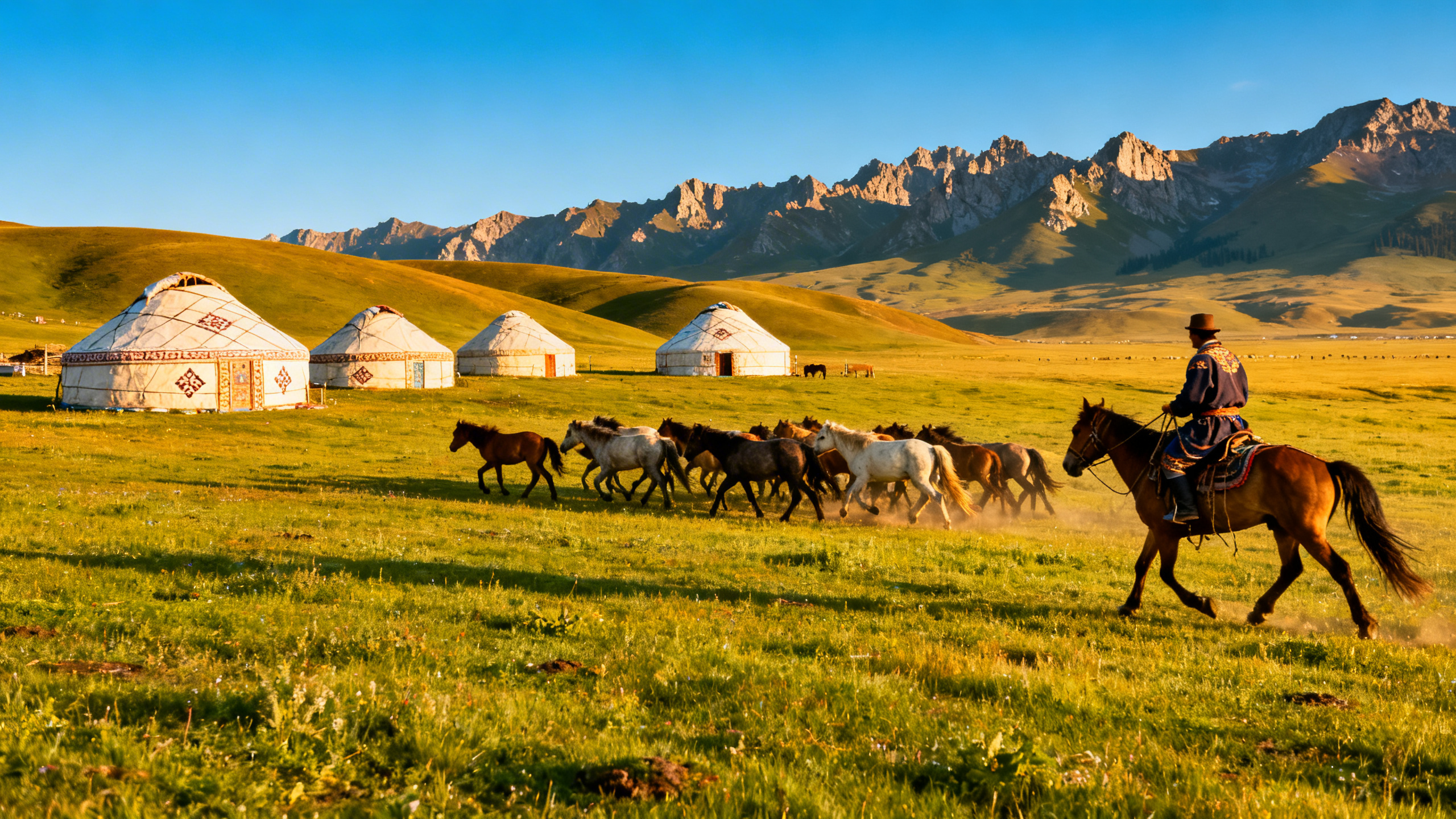
One cannot overlook the vast steppe that dominates much of the country’s heartland. The open expanses are ideal for horseback riding—a quintessential Mongolian experience. Traveling through these steppes offers a direct connection to the Mongolian nomadic spirit, where yurts (or gers) dot the landscape and horseback herders move with the rhythms of nature. It’s a deeply immersive way to witness Mongolia’s enduring pastoral culture firsthand.
Diving into Mongolian Culture and Heritage
Mongolia’s rich cultural tapestry is woven with centuries of nomadic tradition, shamanistic beliefs, and Buddhist influences. Ulaanbaatar, the capital, is the cultural hub where ancient temples like Gandantegchinlen Monastery coexist with modern museums showcasing Mongolia’s history and art. Visiting the National Museum of Mongolia provides insightful context about the Mongol Empire’s vast influence, especially during the era of Genghis Khan.
The Naadam Festival, held every July, is the pinnacle of cultural celebration. This festival showcases the “Three Manly Games” — wrestling, horse racing, and archery — deeply rooted in Mongolian heritage. Attending Naadam gives visitors a firsthand experience of Mongolia’s spirited traditions and the communal pride that these events inspire.
Another captivating cultural encounter is staying with nomadic families in their gers. Many travelers cherish this intimate experience, gaining insight into traditional Mongolian hospitality, cuisine, and daily life in the vast wilderness. Sharing stories by the fire, trying local dishes like buuz (steamed dumplings), and learning about the complex relationship between people and their environment enriches any traveler’s understanding of Mongolia beyond the typical tourist lens.
Practical Tips for Traveling in Mongolia in 2026
Traveling in Mongolia requires some thoughtful preparation due to its vast distances and limited infrastructure in rural areas. It’s advisable to plan your itinerary with flexibility, allowing for travel delays caused by weather or road conditions. Hiring local guides or joining small group tours can enhance the experience, providing valuable insights and easing logistical challenges.
Climate-wise, Mongolia has extreme temperature fluctuations; summer (June to August) is the preferred travel season, offering milder weather and lively cultural events. Winter travel is for the adventurous who want to experience the stark beauty of the snowy steppes and ice festivals but requires heavy-duty gear and experience with cold conditions.
Health-wise, visitors should be prepared with basic medications and vaccinations recommended for travel in Central Asia. Drinking bottled or purified water is essential, especially in remote areas. Also, respecting local customs around dress and behavior, especially in rural communities and religious sites, fosters positive interactions with locals, enhancing your travel experience.
Conclusion: Embrace the Adventure of Mongolia
Mongolia’s enigmatic beauty is a compelling call to those yearning for a travel experience far from the ordinary. Its boundless landscapes, enduring traditions, and heartfelt hospitality create a journey that touches the soul and broadens perspectives. Whether riding across the steppes, partaking in ancient festivals, or simply gazing at endless skies, Mongolia offers memories that linger long after the trip ends.
For adventurous travelers in 2026, Mongolia remains a destination that promises not just sightseeing but an awakening — a true encounter with one of the world’s last great nomadic cultures and the spectacular land they call home.