
Introduction to Travel in 2026
As we step deeper into 2026, travel enthusiasts face a world transformed by new trends, technologies, and evolving traveler expectations. Whether you are a seasoned traveler or planning your first big adventure, understanding these latest developments can make all the difference between a stressful trip and an unforgettable experience. In this post, I’ll share essential travel tips for 2026, drawn from expert insights and real-world experiences, to help you navigate this exciting travel landscape with confidence.
Embrace Sustainable and Responsible Travel
One of the strongest travel trends in 2026 is the growing emphasis on sustainability and responsible tourism. Travelers are more conscious of their environmental footprint and the impact their visits have on local communities. For example, many eco-conscious travelers now choose accommodations certified for sustainability, such as those adopting renewable energy, reducing water waste, and supporting local conservation efforts.
Additionally, sustainable travel means supporting local economies by choosing local guides, dining at family-owned restaurants, and purchasing handmade crafts rather than mass-produced souvenirs. This not only ensures a more authentic experience but also helps preserve the culture and environment of your destination. Consider packing reusable items, such as water bottles and shopping bags, to reduce plastic waste on your trips. By aligning your travel with these principles, you contribute meaningfully to the future of global travel.
Leverage Technology for Seamless Journeys
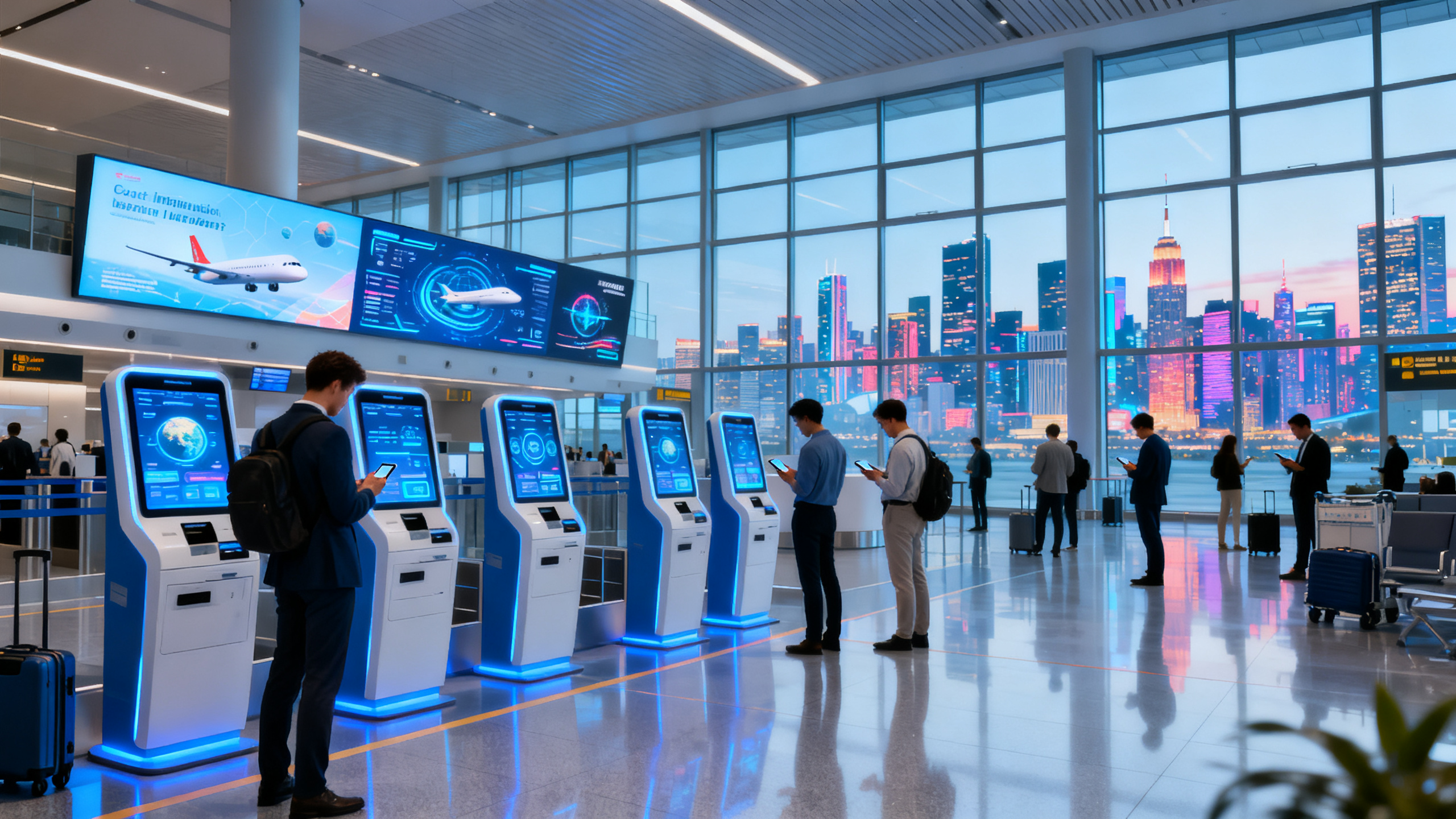
Technology continues to revolutionize how we travel, making 2026 the year of smart, tech-assisted adventures. Smartphone apps now integrate everything from booking flights and accommodations to navigating foreign cities using real-time translation and augmented reality. For instance, digital health passes are increasingly common, simplifying entry into countries by verifying vaccination status or test results instantly.
Moreover, artificial intelligence-powered chatbots and virtual assistants are becoming personal travel concierges, helping you with itinerary changes, suggesting activities based on your preferences, and even alerting you to potential travel disruptions. This technology also enhances safety; GPS tracking and emergency alert features on phones mean travelers can access help faster in unfamiliar places. Being tech-savvy means not just convenience but also increased security and richer travel experiences.
Adopt Flexible and Adaptive Planning
The post-pandemic world has taught travelers the importance of flexibility. With evolving health regulations and occasional travel restrictions, rigid plans can lead to missed opportunities or stressful cancellations. One useful strategy is booking refundable or changeable tickets and accommodations. For example, airlines and hotels now commonly offer flexible cancellation policies, allowing travelers to adapt without severe financial penalties.
Additionally, having a backup plan for key activities or destinations can save your trip when unexpected changes occur. This adaptability extends to packing light and smart—choose versatile clothing and essential items suited for diverse weather conditions and activities. Adaptive planning also encourages travelers to stay informed about local news, health advisories, and geopolitics, ensuring a safer and more enjoyable journey.
Prioritize Wellness and Mindful Travel
Travel in 2026 is not just about sightseeing; it’s increasingly about self-care and wellness. Mindful travel practices focus on physical, mental, and emotional well-being, making your journey restorative and enriching. Many travelers integrate wellness activities like yoga retreats, spa visits, or nature hikes into their itineraries. For example, regions like Bali, Costa Rica, and Iceland have surged in popularity due to their wellness-centric tourism offerings.
Maintaining a healthy routine on the road is also paramount. This means staying hydrated, eating nutritious local foods, and ensuring adequate rest despite jet lag or busy schedules. Mindful travel encourages savoring moments patiently instead of rushing through tourist highlights, which enhances overall satisfaction and lasting memories. In 2026, wellness isn’t a luxury—it’s a travel essential.
Tap into the Rise of Authentic, Experiential Travel
Travelers in 2026 crave authenticity and meaningful experiences. Gone are the days when ticking off famous landmarks sufficed. Instead, immersive cultural experiences, like cooking classes with locals, traditional craft workshops, and community-based tourism, are in vogue. These experiences foster deeper connections to destinations and create stories worth sharing.
Platforms and travel companies now emphasize curated experiences that meet this demand. For example, booking a homestay rather than a hotel can provide unique insights into local life and customs. Additionally, participating in volunteer tourism or eco-projects adds a fulfilling dimension to travel. Embracing authenticity enriches your journey and supports cultural preservation, making your 2026 travel truly unforgettable.
Conclusion: Equip Yourself for a Remarkable 2026 Journey
Traveling in 2026 means adapting to an evolving world that blends technology, sustainability, wellness, flexibility, and authenticity. By embracing sustainable practices, leveraging technology wisely, staying flexible, prioritizing wellness, and seeking authentic experiences, you will set the stage for a rewarding journey that respects both the traveler and the destination.
As an experienced traveler, these tips have been invaluable tools in my own adventures this year, enabling smooth, enriching, and responsible travels. Whether visiting a bustling metropolis, serene nature reserve, or a cultural hotspot, these strategies empower you to explore confidently and responsibly. So pack your bags with mindfulness and excitement and embrace the new wave of travel in 2026!