
Introduction to Singapore’s Culinary Landscape in 2026
Singapore, renowned for its rich multicultural heritage and vibrant food scene, continues to evolve as a global culinary hotspot. The year 2026 brings exciting food trends that reflect both the city’s deep-rooted traditions and its futuristic ambitions. Known for its fusion of Chinese, Malay, Indian, and Western influences, Singapore’s culinary culture is a dynamic tapestry, continually shaped by innovation and sustainability.
This year, food lovers are treated to a unique blend of cutting-edge trends and revival of classic flavors, showcasing Singapore’s commitment to innovation alongside preservation of its food traditions. Whether you’re a resident or a visitor, these trends offer a fascinating gastronomic journey that anyone passionate about food should explore.
Sustainability Takes Center Stage
One of the defining themes of Singapore’s 2026 food trends is sustainability. This is more than just a buzzword—it’s a cultural shift in how food is sourced, prepared, and consumed. Restaurants and food producers are increasingly embracing farm-to-table practices, supporting local farmers and reducing the carbon footprint associated with food imports.
For example, urban farming has surged in popularity, with vertical farms and rooftop gardens supplying fresh, organic produce. The Zero Food Waste movement also gains momentum, with eateries creatively using all parts of ingredients to minimize waste. This conscious approach has led to inventive dishes that combine sustainability with exceptional flavors, allowing diners to enjoy guilt-free meals that nourish both body and planet.
The Rise of Plant-Based and Alternative Proteins
Singapore’s food scene in 2026 is riding the wave of plant-based innovation, thanks to growing health and environmental concerns. More eateries and food brands are introducing plant-based alternatives that satisfy not only vegans but also flexitarians and curious carnivores. Innovative products made from ingredients like jackfruit, mushrooms, and lab-grown meat are making their way onto menus, appealing to those seeking nutritious and sustainable protein sources.
Restaurants like Open Farm Community and VeganBurg have expanded their offerings, showing that plant-based cuisine can be both creative and delicious. This trend is boosted by Singapore’s government policies supporting sustainable food innovation, positioning the city as a leader in alternative protein development.
Fusion Flavors with a Modern Twist
Singapore’s multicultural identity continues to inspire culinary creativity. The 2026 trend sees classic dishes from Chinese, Malay, Indian, and Peranakan cuisines reimagined with modern techniques and unexpected flavor combinations. Chefs experiment by integrating global influences such as Korean spices, Japanese fermentation, and Mediterranean herbs into traditionally local recipes.
For instance, you might find a laksa enhanced with saffron-infused broth or a chili crab ravioli that brings Italian technique to a beloved local dish. These inventive dishes not only celebrate cultural heritage but also attract adventurous foodies looking for unique dining experiences.
Tech-Enhanced Dining Experiences
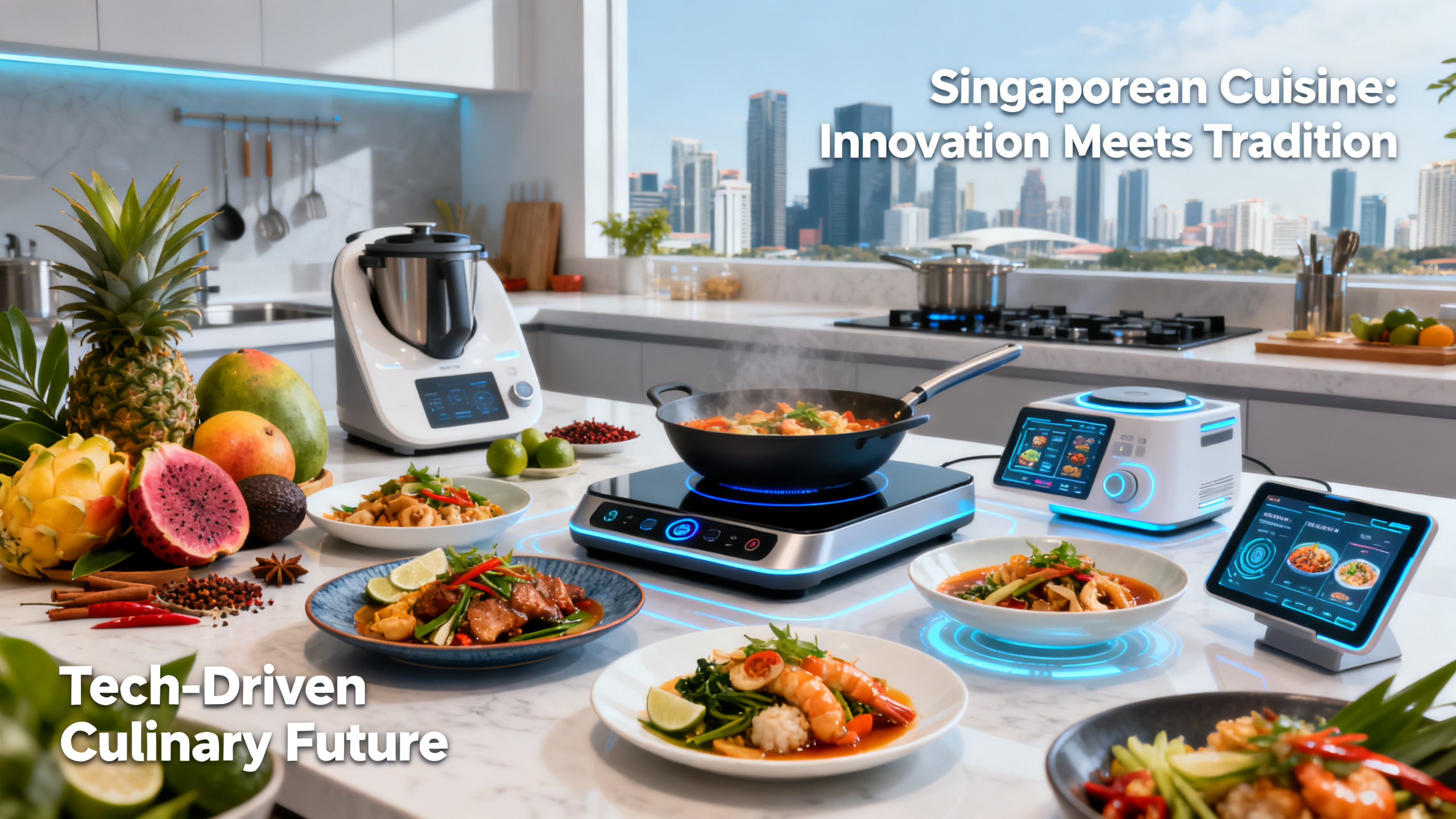
Singapore remains at the forefront of technology, and this extends to its culinary scene in 2026. From AI-driven personalized menus based on dietary preferences to augmented reality (AR) dining experiences, technology enhances how diners interact with food. Some restaurants use AI to predict flavor pairings or optimize recipes for maximum taste and nutrition, offering a futuristic approach to dining.
AR is also employed to tell the story of dishes, providing background on ingredients, preparation methods, and cultural significance at the touch of a smartphone screen. This tech-savvy dining caters to the digital generation, making meals not just about eating but also about immersive storytelling.
Street Food Revival with Health Consciousness
Singapore’s famous hawker centers have long been a symbol of communal dining and authentic food culture. In 2026, street food continues to thrive but with a health-conscious makeover. Vendors are adapting recipes by reducing sodium, sugar, and unhealthy fats while still maintaining flavor integrity. There is also a push for more plant-based street food options, offering healthier alternatives without compromising on taste.
For example, the iconic satay is now available with a variety of plant-based meats, and traditional noodle stalls offer whole grain or vegetable-infused noodles. This reinvention ensures street food remains accessible, affordable, and appealing to a new generation mindful of health and wellness.
Conclusion: A Year of Flavorful Innovations and Tradition
Singapore’s food trends in 2026 beautifully balance innovation with tradition, sustainability with indulgence, and technology with culture. For food enthusiasts, this is an exciting time to explore a city where the future of dining is being shaped while honoring its rich culinary heritage.
Whether you are keen on sustainable eating, curious about plant-based innovations, or eager to experience tech-enhanced meals, Singapore offers a culinary journey like no other in 2026. Dive in and savor the flavors that define one of Asia’s most dynamic food capitals today.