
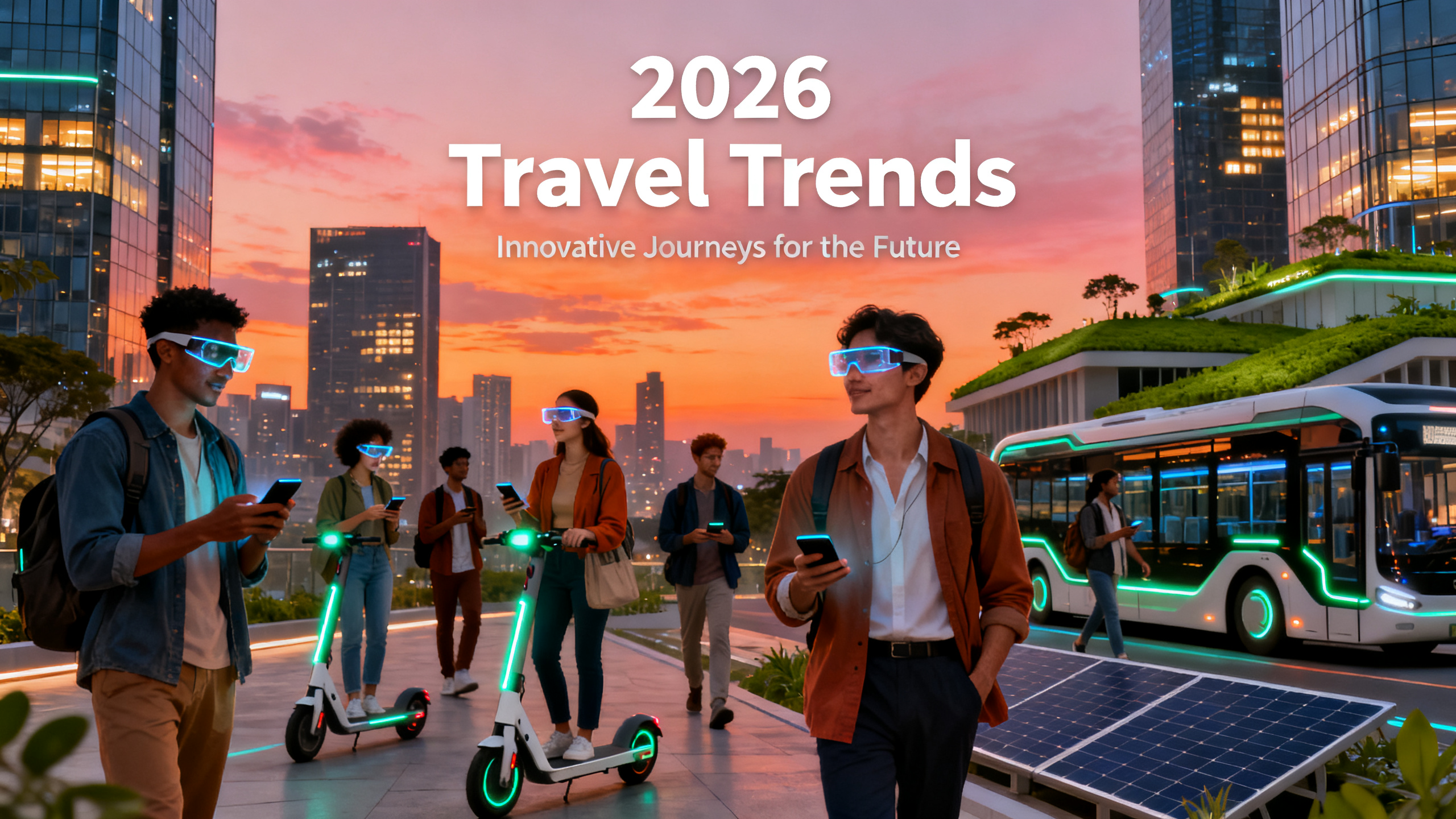
Introduction to 2026 Travel Trends
As we venture deeper into 2026, the landscape of travel is not just evolving—it’s transforming in ways that redefine how we explore the world. Every year brings fresh trends influenced by cultural shifts, technological advancements, and a growing emphasis on sustainability and meaningful experiences. For modern explorers, understanding these trends is essential to maximize the joy, safety, and impact of their journeys.
Travel in 2026 is about more than just ticking destinations off a map; it’s about engaging with environments and communities in a responsible and enriching manner. Whether you’re an adventure seeker, a cultural enthusiast, or a digital nomad, these trends will help you tailor your travels to align with today’s values and innovations.
The Rise of Sustainable and Ethical Travel
In 2026, sustainability has firmly taken center stage in travel decisions. More than ever, travelers are prioritizing eco-friendly accommodations, transportation, and activities that minimize environmental footprints. For example, many tourists now opt for eco-lodges that use renewable energy and support local conservation efforts, such as Costa Rica’s renowned eco-resorts that have pioneered green tourism models.
Ethical travel has also solidified itself as a key trend, encouraging travelers to support local economies by choosing community-based tourism experiences. This not only ensures that your money contributes positively but also provides authentic cultural exchanges—like participating in traditional crafts workshops or local cooking classes in places like Bali or Morocco. These experiences foster deeper appreciation and respect for the host communities.
Technology Revolutionizing Travel Experiences
Technology in 2026 is no longer a mere convenience in travel; it’s an integral part of the journey. AI-powered travel assistants and chatbots provide personalized recommendations based on real-time data, offering seamless itinerary adjustments and insider tips. Augmented reality (AR) tours have become popular in cities like Rome and Tokyo, allowing travelers to visualize historical sites as they might have appeared centuries ago, creating immersive educational experiences.
Wearable tech also enhances safety and convenience, especially for solo travelers or those venturing into remote areas. Devices that track health metrics, provide navigation, and alert emergency contacts are becoming must-haves. Moreover, digital nomads benefit from more sophisticated tools for remote work, including improved global internet connectivity and coworking spaces designed with travelers in mind, such as those emerging in Lisbon and Chiang Mai.
Personalized and Slow Travel Trends
Mass tourism is giving way to personalized travel experiences tailored to individual preferences, interests, and wellness goals. Travelers increasingly seek bespoke packages that incorporate local flavors, hidden gems, and slower pacing. This slow travel trend encourages deeper connection with local cultures and environments—think of extended stays in small towns like the Amalfi Coast or the Scottish Highlands, where travelers immerse themselves in the lifestyle rather than rushing through.
Personalization tools powered by data analytics also help travelers design unique journeys, from culinary tours focusing on farm-to-table dining in Tuscany to wellness retreats emphasizing holistic therapies in Bali. These experiences align travel with personal growth, well-being, and lifelong memories.
Health, Safety, and Responsible Travel
In the post-pandemic era of 2026, heightened attention to health and safety remains a priority. Travelers are more informed and cautious, favoring destinations and providers that implement stringent hygiene and safety measures. For instance, many resorts and airlines offer transparent health protocols and contactless services to ensure peace of mind.
Additionally, responsible travel practices extend to respecting local regulations and cultural sensitivities to avoid travel disruptions and foster goodwill. Awareness campaigns and traveler education programs, often integrated into booking platforms, now help travelers navigate these complexities with confidence.
Conclusion: Adapting to the Future of Travel
Embracing 2026’s travel trends means adopting a mindset that values sustainability, technology, personalization, and safety. Modern exploration is about thoughtful journeys that prioritize enriching experiences and positive impacts, both on travelers and the destinations they visit.
As you plan your next adventure, consider these trends not just as guides but as invitations to engage more deeply with the world. By doing so, you will not only create unforgettable memories but also contribute to the sustainable and equitable future of global travel.