
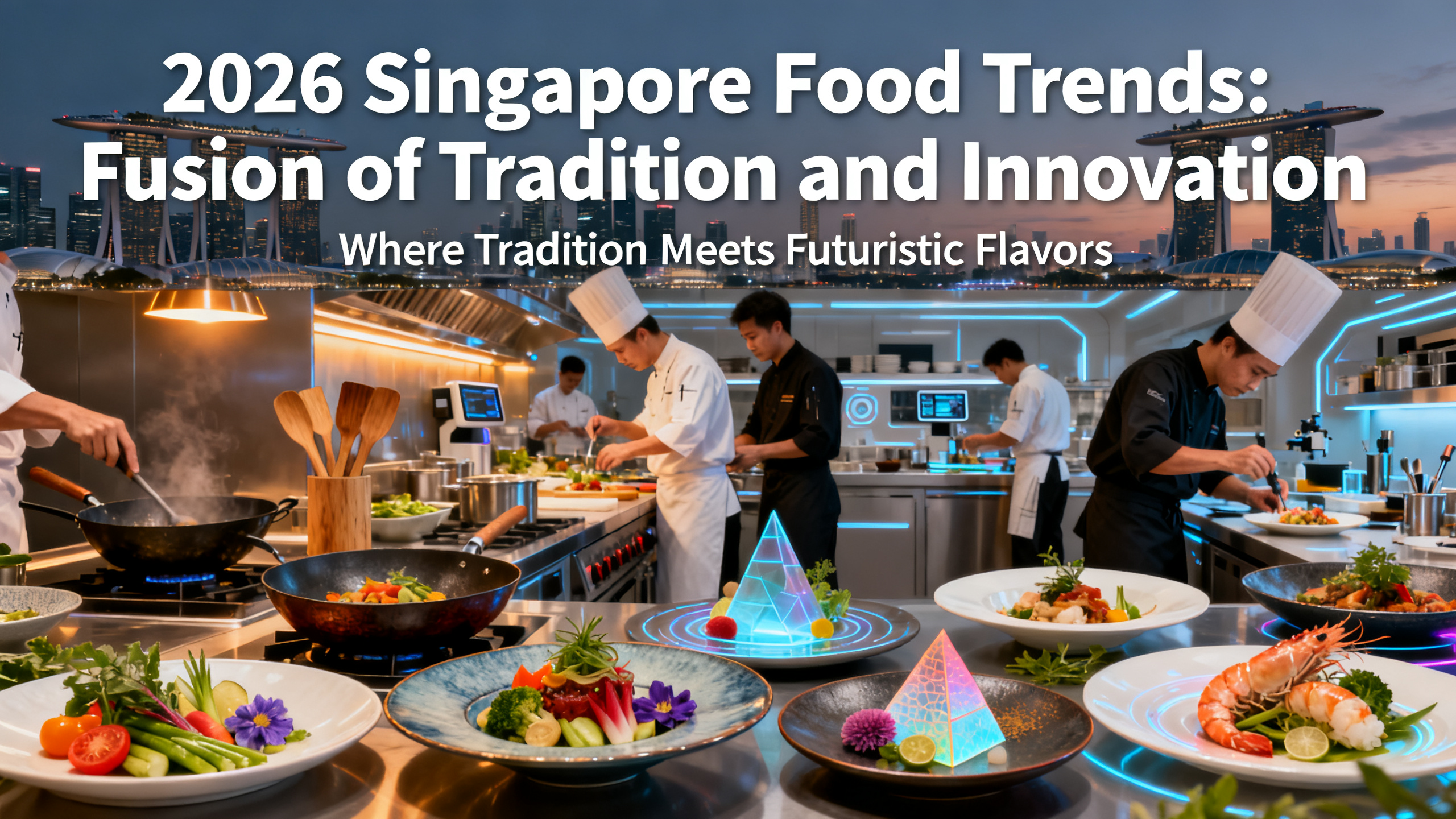
Introduction to Singapore’s Dynamic Food Scene in 2026
Singapore, often hailed as a global culinary haven, continues to set trends that resonate far beyond its city-state boundaries. In 2026, this vibrant food landscape is evolving with innovative concepts, sustainability efforts, and fusion flavors that seamlessly blend tradition with modernity. For food lovers and culinary enthusiasts, Singapore’s gastronomic scene offers more than just meals—it promises experiences that excite the palate and enrich cultural understanding.
As a travel blogger who has savored the diverse flavors of Singapore for years, I’m thrilled to take you on a journey through the 2026 food trends that are shaping this dynamic city. From cutting-edge plant-based innovations to a resurgence of heritage recipes, here’s what’s redefining Singapore’s food culture this year.
Trend 1: Plant-Based Revolution with a Local Twist
One of the most notable shifts in Singapore’s food trends is the surge in plant-based cuisine, driven by increasing health awareness and environmental consciousness. However, what makes Singapore’s approach unique in 2026 is the creative integration of local ingredients and traditional flavors into plant-based dishes.
For example, eateries are reinventing classics like Hainanese chicken rice using jackfruit or soy-based alternatives, paired with signature chili sauces and ginger pastes, preserving the beloved taste profiles. This fusion caters to vegan and flexitarian diners without sacrificing authenticity. Noteworthy establishments like Open Farm Community have expanded their menus to include sustainable, farm-to-table plant dishes that highlight native herbs and vegetables, setting a benchmark for green gastronomy.
Trend 2: Heritage Rediscovery and Culinary Storytelling
Singapore’s multicultural roots provide a rich tapestry for food stories, and 2026 sees a pronounced revival of heritage cuisine with contemporary reinterpretations. This trend is not just about nostalgia; it is about preserving culinary identity while exploring new textures and presentation styles.
Chefs are diving into traditional recipes from the Peranakan, Malay, and Indian communities, using heirloom spices and artisanal techniques. Restaurants like Candlenut, the world’s first Michelin-starred Peranakan restaurant, continue to innovate by balancing respect for tradition with refinement suited for modern palates. This movement allows diners to connect deeply with Singapore’s history through immersive food experiences that celebrate diversity.
Trend 3: Tech-Enhanced Dining Experiences
Innovation in food technology is making a significant impact on Singapore’s dining scene in 2026. Beyond just food preparation, technology is enhancing how diners interact with their meals. Augmented reality (AR) menus and interactive digital storytelling enable guests to explore the origins of ingredients and the cultural significance behind dishes.
For instance, certain avant-garde bistros are incorporating AI-driven customization, tailoring flavor profiles based on guest preferences and dietary needs. This blend of culinary arts and technology reflects Singapore’s position as a smart city, inviting locals and tourists alike to appreciate a futuristic dimension to dining without losing the essence of taste and tradition.
Trend 4: Sustainable and Ethical Eating Practices
Environmental responsibility remains a cornerstone of Singapore’s 2026 food movement. The city’s commitment to sustainability manifests in multiple ways: zero-waste kitchens, partnerships with local urban farms, and ethically sourced seafood. In a country with limited land for agriculture, innovations such as vertical farming and aquaponics are pioneering fresh ingredient supply chains.
Restaurants like Neo Garden are leading efforts to minimize waste by creatively using every part of an ingredient, from root to leaf. Meanwhile, seafood certifications and traceability programs assure consumers of the ethical origins of their meals. These practices resonate with conscious diners who prioritize food integrity alongside flavor, reinforcing Singapore as a leader in responsible dining.
Conclusion: A Tempting Invitation to Explore Singapore’s 2026 Food Trends
Singapore’s culinary landscape in 2026 is a breathtaking blend of innovation, heritage, sustainability, and technology. Whether you’re tasting plant-based interpretations of local classics, indulging in storied heritage dishes, engaging with tech-enhanced experiences, or supporting sustainable eating, the city promises a culinary journey like no other.
If your travels bring you to Singapore this year, embrace these food trends to fully immerse yourself in its evolving food culture—each bite tells a story of creativity, tradition, and a promising future.