
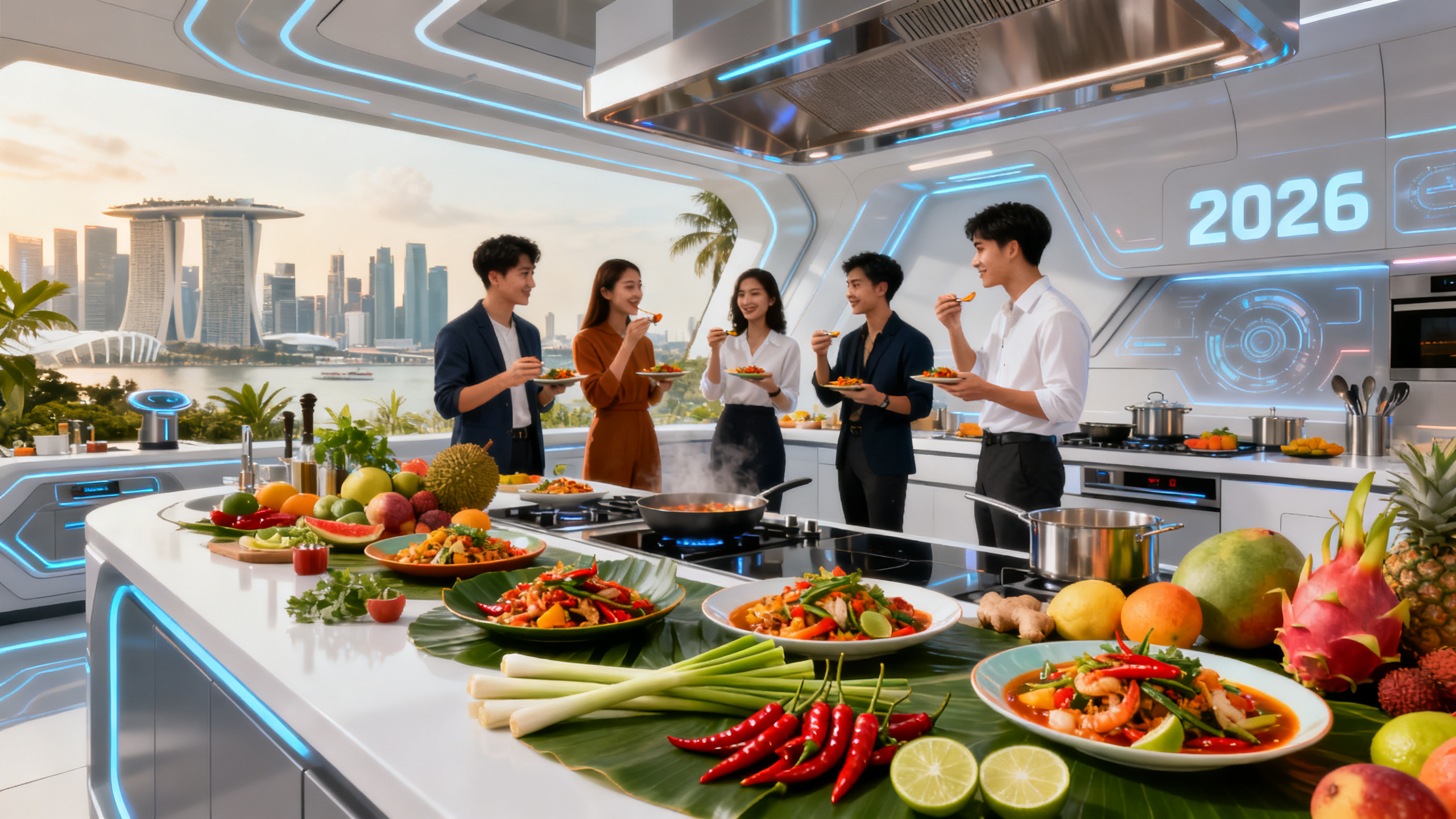
Introduction to Singapore’s Dynamic Food Scene in 2026
Singapore has long been renowned as a melting pot of cultures and flavors, making its culinary scene one of the most vibrant and diverse in the world. As we step into 2026, the city-state’s food landscape continues to evolve, reflecting global influences, technological advancements, and a renewed focus on sustainability. This blog delves deep into the key food trends shaping Singapore’s gastronomic future, offering insights that go beyond simple food fads to uncover the authentic movements transforming how we eat and savor flavors today.
Embracing Sustainability: From Farm to Table
One of the most significant food trends in Singapore for 2026 is the heightened awareness and adoption of sustainable food practices. Consumers and chefs alike are increasingly committed to reducing food waste, sourcing locally grown produce, and promoting farm-to-table dining experiences. Urban farming initiatives are gaining momentum, with rooftop gardens and vertical farms sprouting in residential and commercial areas, supplying fresh, pesticide-free ingredients directly to nearby restaurants and markets.
For example, local farms such as Sky Greens and Sustenir Agriculture are leading innovations in hydroponics and aeroponics, enabling year-round cultivation of greens and herbs without excessive water usage. This not only supports Singapore’s goal of increasing food security but also offers fresher, healthier options to consumers. Restaurants incorporating these fresh and locally sourced ingredients create seasonal menus that celebrate Singapore’s unique agricultural contributions.
Technology and Innovation in Dining
In 2026, technology continues to shape Singapore’s culinary scene profoundly. From AI-powered personalized menu recommendations to automated kitchens designed for efficiency and consistency, tech integration is enhancing the dining experience. Food delivery and ordering systems have become more intuitive, leveraging data analytics to predict consumer trends and preferences.
Moreover, Singapore’s food tech industry is booming with alternative proteins such as plant-based meats and lab-grown seafood becoming mainstream. Companies like Shiok Meats, a local pioneer in cultivated seafood, are making waves by providing sustainable, ethical alternatives to traditional seafood, addressing both environmental concerns and consumer curiosity. This fusion of tradition and technology offers diners healthy, innovative choices without compromising on taste and texture.
A Celebration of Heritage with a Modern Twist
While innovation and sustainability are at the forefront, Singapore’s chefs are also deeply rooted in preserving and reinventing traditional flavors. The culinary scene increasingly highlights heritage cuisine from Malay, Chinese, Indian, and Peranakan cultures, but with contemporary presentations that appeal to modern palates.
Restaurants are experimenting with unconventional ingredients or cooking techniques to elevate classic dishes. For instance, the iconic chili crab may now be presented with infused spices or paired with artisanal sides crafted by up-and-coming chefs. Food festivals and pop-up events throughout the year celebrate this culinary innovation, creating platforms where heritage meets creativity, and fostering a deeper appreciation of Singapore’s rich food history.
Global Influences and Fusion Trends
Singapore’s culinary identity has always been shaped by global influences, and 2026 continues this trend with exciting fusion concepts gaining popularity. The city welcomes cross-cultural food mashups, blending Japanese precision with Southeast Asian spice profiles or combining Western techniques with traditional Asian ingredients. These culinary experiments result in unique dishes that intrigue food enthusiasts and keep the dining scene lively and adventurous.
Examples include the rise of Korean-Singaporean fusion eateries and innovative dessert bars where classic local desserts are deconstructed with French patisserie techniques. Such trends offer both locals and tourists diverse options to explore, celebrating Singapore’s place as an international food hub.
Conclusion: A Palate-Expanding Year for Food Lovers
Singapore’s food trends in 2026 represent much more than fleeting culinary crazes. They reflect a thoughtful balance of sustainability, innovation, heritage, and global influences that together create an exciting and responsible food culture. Whether you are a local or a traveler, embracing these trends means embarking on a flavorful journey that honors tradition while looking forward to the future of dining.
As the city progresses with these culinary trends, food lovers can expect an enriching, diverse, and sustainable food experience that will satisfy not only the taste buds but also the conscience in meaningful ways.