
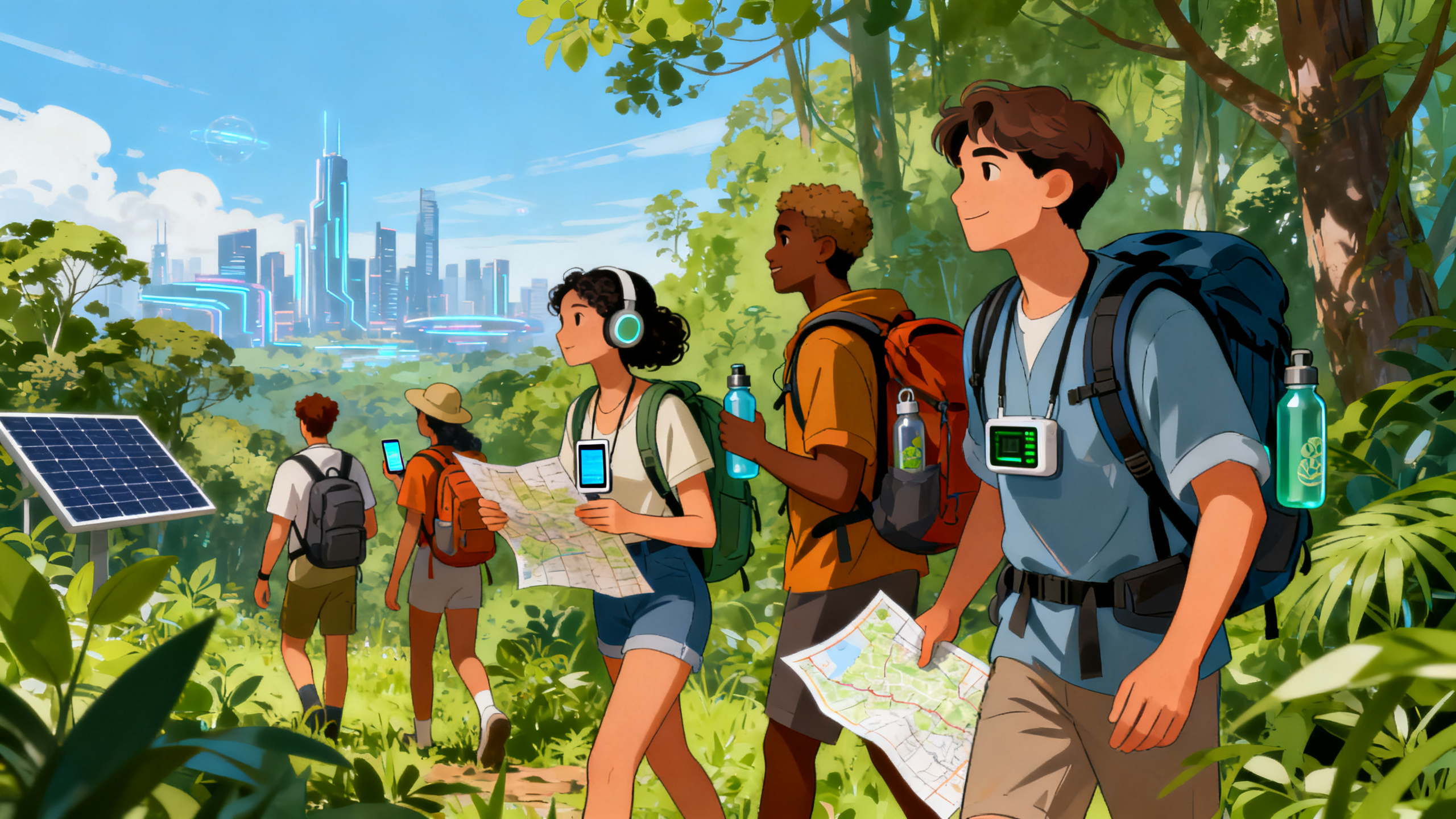
Introduction: The Rise of Conscious and Affordable Travel in 2026
Travel in 2026 is evolving rapidly, with more people seeking experiences that not only satisfy their wanderlust but also align with sustainable and budget-conscious values. As the world faces environmental challenges and economic uncertainties, travelers are rethinking how they explore. The key to memorable and responsible adventures lies in embracing sustainability without compromising affordability. This blog post dives deep into the top travel tips for 2026 that help you journey smartly, ethically, and affordably, ensuring your adventures are enriching and leave a positive impact on the destinations you visit.
1. Prioritize Eco-Friendly Transportation
One of the biggest contributors to travel’s carbon footprint is transportation. In 2026, choosing eco-friendly travel methods has become more accessible and imperative. Opt for trains over short-haul flights whenever possible, as trains emit significantly less CO2 per passenger. For example, high-speed rail networks in Europe and Asia offer efficient, comfortable, and scenic routes that make train travel a preferable option.
If flying is unavoidable, look for airlines that invest in sustainable aviation fuel and carbon offset programs. Many carriers now provide passengers with options to offset their carbon emissions at a minimal cost, making it easier to balance your environmental impact.
Additionally, once at your destination, embrace green transportation options like electric bikes, scooters, or public transit, which help reduce pollution and save on costs compared to taxis or rental cars.
2. Choose Accommodations with a Sustainability Focus
Accommodation choices significantly affect the environment and your budget. In 2026, eco-conscious lodging options abound, ranging from green-certified hotels to charming eco-lodges and sustainable hostels. These accommodations adopt practices such as energy-efficient lighting, water conservation, waste reduction, and sourcing local food, contributing to a smaller environmental footprint.
For budget travelers, platforms like Airbnb and Booking.com now highlight properties with sustainability certifications or eco-friendly practices, helping you make an informed choice that supports responsible tourism. Also, consider staying in family-run guesthouses or volunteering at eco-projects for an immersive and cost-saving experience that benefits local communities.
3. Embrace Slow Travel for Deeper Connection and Cost Efficiency
Slow travel, the practice of spending more time in fewer places, is gaining momentum as a way to reduce environmental impact and dive deeper into local culture. Instead of hopping between destinations, lingering longer allows you to explore neighborhoods, make meaningful connections, and enjoy local experiences that often come at a lower cost than typical tourist attractions.
Slow travel also reduces transportation costs and helps you avoid the stress and exhaustion of rushed itineraries. For example, spending a week in a city or rural town gives you ample time to discover markets, learn traditional crafts, or taste authentic cuisine without splurging on expensive tours or last-minute bookings.
4. Optimize Travel Budget with Smart Planning and Local Insights
Budget-friendly travel in 2026 is all about smart preparation and leveraging local knowledge. Use apps and websites dedicated to finding last-minute deals, discounts, and local events. Booking flights and accommodations during shoulder seasons can yield significant savings and avoid tourist crowds.
When dining, skip international chains and opt for local eateries or street food, which offer authentic flavors at reasonable prices. Traveling with reusable water bottles and snacks not only cuts costs but also reduces single-use plastic waste.
Joining community tours or experiences led by locals gives you insider access at fair prices while directly supporting the local economy. Many destinations now offer sustainable tourism certifications to these initiatives, ensuring you enjoy responsible and enriching experiences.
5. Pack Light and Smart to Enhance Mobility and Sustainability
Packing light is an often overlooked but crucial aspect of sustainable travel. Lighter luggage means less fuel consumption during flights and easier mobility across destinations, saving both energy and money. In 2026, travelers prioritize versatile and eco-friendly travel gear made from sustainable materials.
Consider packing reusable essentials like shopping bags, utensils, and toiletries to minimize waste during your trip. Multi-purpose clothing reduces the number of items needed, and tech gadgets like power banks and universal adapters keep your devices running sustainably.
Conclusion: Travel Responsibly and Affordably in 2026
Traveling in 2026 is about balancing the thrill of discovery with the responsibility to protect our planet and respect local cultures. Prioritizing eco-friendly transportation, sustainable accommodations, slow travel, clever budgeting, and smart packing are practical steps that let you enjoy adventures without guilt or breaking the bank.
By integrating these tips into your travel plans, you contribute to a global movement towards a more sustainable, authentic, and accessible way of exploring the world. Whether you’re a seasoned globetrotter or planning your first getaway, making conscious choices ensures that travel in 2026 is rewarding not just for you, but for future generations of travelers and the planet we cherish.