
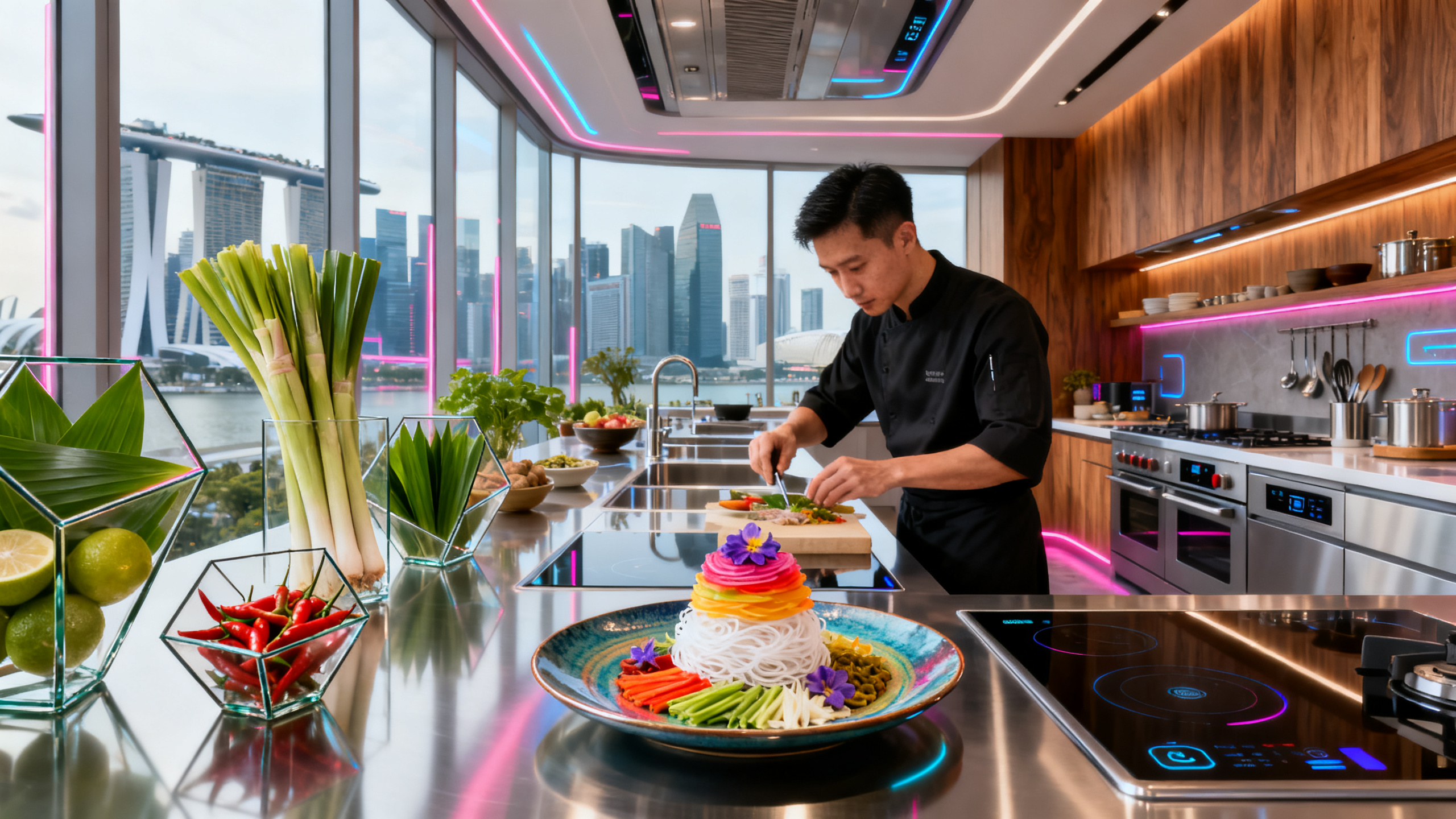
Introduction to Singapore’s Vibrant Food Scene in 2026
Singapore has long been celebrated as a culinary melting pot, blending diverse flavors from Chinese, Malay, Indian, and Western cuisines. As we step into 2026, the city-state continues to evolve its gastronomic landscape with exciting new trends that showcase innovation, sustainability, and cultural fusion. This blog post takes you on a deep dive into the defining food trends that are shaping Singapore’s culinary scene this year, offering a rich journey for food enthusiasts and travelers alike.
1. Sustainable and Plant-Based Dining Takes Center Stage
With growing global awareness around climate change and ethical eating, 2026 sees Singapore embracing sustainability in its food culture more passionately than ever. Plant-based restaurants and menus are proliferating across the island, offering creative vegetable-centric dishes that delight even the most dedicated carnivores.
Examples include eateries like Loving Hut and VeganBurg, which have elevated the humble plant-based burger to gourmet levels, integrating local ingredients such as sambal and tropical fruits to create uniquely Singaporean vegan flavors. This movement isn’t just about food quality but reflects a conscious effort by chefs and consumers to reduce food waste and carbon footprints—an ethos echoed in community-supported agriculture (CSA) initiatives connecting diners to local farmers.
2. Heritage Flavors Reimagined with Modern Techniques
Singapore’s culinary heritage remains a cornerstone of its food identity, but 2026 introduces an exciting twist with chefs reinterpreting traditional dishes through contemporary techniques. For instance, Peranakan cuisine, known for its rich, aromatic spices, is being reinvented into micro-dish tastings that highlight individual components like buah keluak or pandan-infused creations.
This trend is exemplified by restaurants like Candlenut and Labyrinth, which blend molecular gastronomy with nostalgic flavors to craft experiences that honor heritage while pushing culinary boundaries. This fusion of old and new resonates deeply with Singapore’s diverse population, allowing younger generations to connect with their roots in novel ways.
3. Tech-Enhanced Dining Experiences
Singapore is a global tech hub, and 2026 food trends reflect this by integrating technology into the culinary experience. Augmented reality (AR) menus and robotic servers are becoming more common in select high-end restaurants, creating immersive dining environments that engage all senses.
For example, at Lab360, diners can scan QR codes to see the story behind each dish or watch interactive presentations about the ingredients’ journey from farm to table. Robotics-assisted kitchens are also improving consistency and efficiency, ensuring quality while chefs focus more on creative innovation. This tech-food synergy is setting a new benchmark for gastronomic entertainment and convenience.
4. Wellness-Oriented and Functional Foods Gain Popularity
Reflecting the health-conscious lifestyle of Singaporeans, 2026 brings a surge in wellness-oriented dining options. Functional foods—those enhanced with probiotics, adaptogens, or superfoods—are being incorporated into everyday menus to support holistic well-being.
Trendy cafes like Super Nature and The Seed Bambus serve dishes and drinks fortified with ingredients such as turmeric, ginger, and collagen, appealing to health enthusiasts who value both taste and nutritional benefits. This direction is further supported by a rise in personalized nutrition apps that recommend meals based on individual health data, blending traditional culinary art with modern science.
5. Street Food Gets a Gourmet Makeover
Singapore’s hawker culture, a UNESCO Intangible Cultural Heritage, is being revitalized with a gourmet spin in 2026. Emerging hawker stalls are elevating classic street food favorites like Hainanese chicken rice, laksa, and char kway teow by using premium ingredients and innovative cooking methods.
These stalls combine affordability with sophistication, appealing to both locals and international tourists seeking authentic yet refined experiences. Events such as the Singapore Hawker Festival showcase these innovations, celebrating the spirit of hawker culture while adapting to contemporary palates.
Conclusion
Singapore’s 2026 food trends reveal a culinary journey that balances tradition with future-focused innovation. From sustainable plant-based initiatives to tech-enhanced dining and wellness-oriented foods, the city continues to reinvent itself while honoring its multicultural heritage. Whether you’re a seasoned foodie or a curious traveler, exploring Singapore’s evolving food scene this year promises unmatched delights that nourish the palate and the soul.
So pack your appetite and get ready to savor the exciting tastes of Singapore in 2026!