
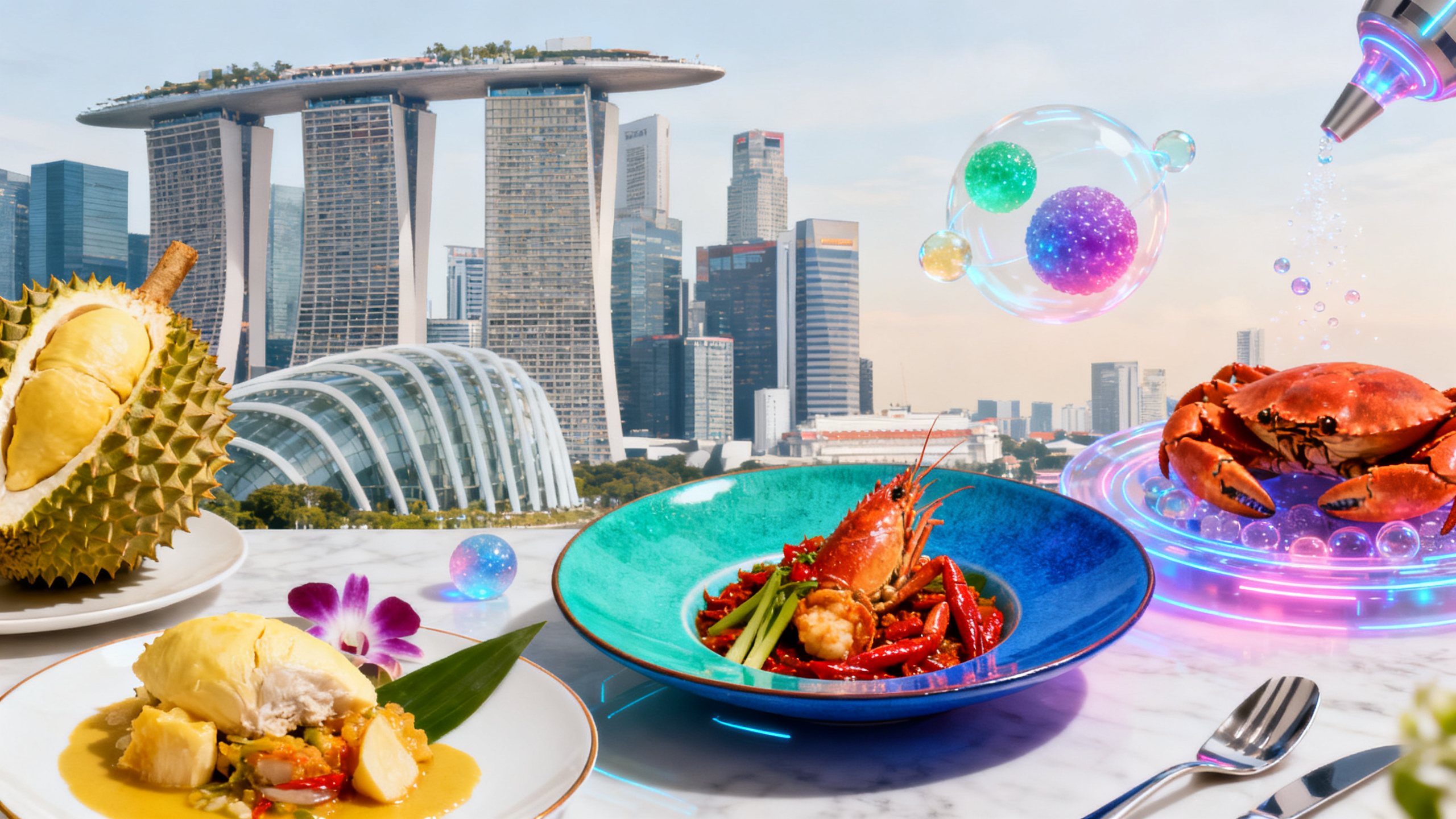
Introduction to Singapore’s Dynamic Food Scene in 2026
Singapore’s culinary landscape has always been a vibrant tapestry woven with influences from its multicultural society. As we step further into 2026, the city-state continues to evolve, embracing innovative food trends that not only celebrate tradition but also champion sustainability, health, and technology. This year, food lovers are in for an extraordinary journey where heritage meets futuristic flavors and thoughtful eating becomes a centerpiece of the dining experience.
Sustainability Takes Center Stage
One of the dominant themes in Singapore’s 2026 food scene is sustainability. More restaurants and hawker stalls are adopting eco-friendly practices such as sourcing local and seasonal ingredients to reduce carbon footprints. For example, sustainable seafood options now prominently feature in menus, aligned with global efforts to protect marine biodiversity. Carbon farming and urban agriculture initiatives have also flourished, allowing fresh produce to be harvested just a few miles from diners’ tables, ensuring freshness and supporting local farmers.
Zero-waste cooking is another trend gaining momentum, where chefs cleverly utilize every part of the ingredient to minimize food waste. This approach not only demonstrates environmental responsibility but also sparks culinary creativity. For instance, root vegetable peels are transformed into crispy chips, and leftover bones become the base for rich stocks infused with complex flavors. These practices reflect Singapore’s broader commitment to the UN Sustainable Development Goals and provide an enriching dining experience that resonates with conscientious consumers.
Health and Wellness Infused into Every Bite
Singaporeans’ increasing focus on health and wellness is reshaping food trends, with nutrient-dense and functional foods taking the spotlight. Traditional comfort foods are being reimagined with balanced nutrition in mind. For example, beloved dishes like chicken rice and laksa are offered in healthier versions, employing alternative grains like quinoa or brown rice, and incorporating plant-based proteins and reduced sodium sauces.
The rise of personalized nutrition is also notable. Tech-driven apps and services in Singapore allow diners to tailor meal choices to their specific dietary needs and preferences, from managing diabetes to boosting immunity. Juice and smoothie bars featuring adaptogens, probiotics, and superfoods have grown exponentially, reflecting the trend toward holistic wellbeing. These developments underscore Singapore’s role as a pioneer in integrating modern science with culinary excellence.
Plant-Based and Alternative Proteins Flourish
Another significant trend in 2026 is the explosion of plant-based dining options. Singapore is fast becoming a hub for innovative plant-based cuisine, embracing everything from lab-grown meats to traditional vegetable-forward dishes. Noteworthy startups and culinary innovators are introducing alternative proteins such as insect-based snacks, mushroom-derived umami, and soy-based creations that closely mimic the experience of eating meat. This caters to environmentally conscious consumers seeking to reduce their meat consumption without compromising on taste or texture.
For instance, vegan renditions of iconic Singaporean dishes like chili crab and satay have garnered attention for their authentic flavors and creative presentation. The government’s support for food tech innovation, including fostering collaborations between scientists and chefs, has accelerated the introduction of these novel culinary concepts. This trend reflects a global shift toward sustainable diets and highlights Singapore’s leadership in food innovation.
Technology Enhances the Dining Experience
Technology remains a powerful force shaping how food is sourced, prepared, and enjoyed in Singapore. In 2026, digital dining experiences, such as AI-powered personalized menus and robotic kitchen assistants, have become more mainstream in the city. Some restaurants now employ augmented reality (AR) to offer immersive storytelling about the origin and cultural significance of dishes, adding an educational layer to dining that connects customers deeply with the food on their plates.
Moreover, contactless ordering and payment systems have been refined post-pandemic, making dining out smoother and safer. The integration of blockchain technology for traceability ensures transparency from farm to fork, allowing consumers to verify ingredient authenticity and ethical sourcing in real-time. These advancements not only enhance convenience but also build trust and engagement between diners and food providers.
Celebrating Heritage with a Modern Twist
Despite the rapidly evolving food tech landscape, Singaporeans continue to treasure their rich culinary heritage. The 2026 food trends reflect a harmonious balance between honoring tradition and innovating. Hawker culture, inscribed as UNESCO Intangible Cultural Heritage, thrives alongside modern culinary experiments. Iconic flavors of Hainanese chicken rice, laksa, and kaya toast are being reinvented with new textures and presentations that appeal to younger generations and international palates alike.
Festivals and food markets celebrating ethnic cuisines are increasingly incorporating fusion elements, blending Chinese, Malay, Indian, and Peranakan influences with global culinary styles. This not only preserves invaluable culinary traditions but also keeps the food scene fresh and exciting. By reinvigorating heritage recipes with contemporary flair, Singapore maintains its position as a global gastronomic destination.
Conclusion: Why 2026 is the Year to Taste Singapore
The food trends shaping Singapore in 2026 paint a picture of a city deeply connected to its roots yet boldly embracing the future. Whether you are a local or a traveler, the culinary experiences available this year promise not just delicious meals but meaningful journeys through sustainability, health, innovation, and culture. From savoring plant-based satay to experiencing AI-curated menus or dining amid urban farms, Singapore invites you to taste the future of food today.
Embark on this exciting culinary journey, and discover why Singapore remains a beacon of gastronomic innovation and heritage in 2026 and beyond.