
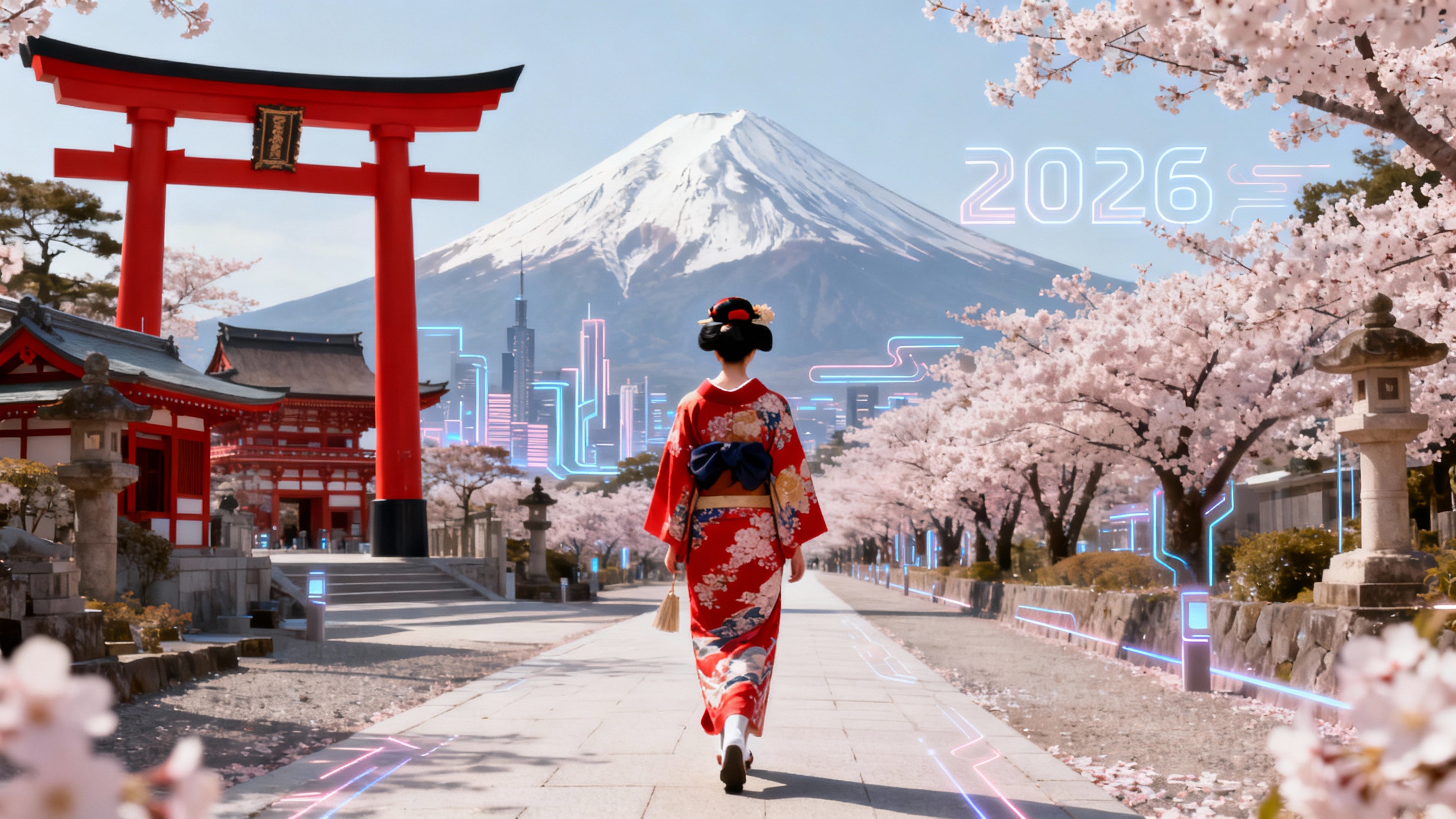
Introduction to Japan’s Rich Cultural Heritage
Japan’s cultural heritage is a profound tapestry woven through centuries of tradition, innovation, and artistry. In 2026, travelers seeking an immersive experience will find the country brimming with destinations that celebrate its unique history and deep-rooted customs. From ancient temples to bustling festivals and exquisite crafts, Japan offers an authentic journey into its soul that fascinates every visitor.
For anyone passionate about culture, understanding Japan’s heritage is essential. The nation’s historical sites are not merely tourist spots; they are living stories of a civilization that has gracefully navigated modernization while preserving its ancient identity. This blog post highlights top cultural destinations in Japan for 2026 that exemplify its heritage in diverse and meaningful ways.
Kyoto: The Heartbeat of Traditional Japan
Kyoto stands as the quintessential symbol of Japan’s cultural heritage. Once the imperial capital, it offers over 1,600 Buddhist temples, numerous Shinto shrines, and traditional wooden machiya houses that paint a vivid picture of Japan’s past. Visitors in 2026 can partake in authentic tea ceremonies, witness geisha culture firsthand in the Gion district, and explore world-famous landmarks like Kinkaku-ji (Golden Pavilion) and Fushimi Inari Shrine with its iconic thousands of red torii gates.
Kyoto’s allure is also enriched by seasonal festivals such as the Gion Matsuri in July, which continues to draw crowds with its elaborate floats and centuries-old rituals. Travelers can engage with traditional arts like ikebana (flower arranging) and kyo-yuzen silk dyeing workshops, gaining hands-on experience of Japan’s heritage crafts.
Nara: The Cradle of Japanese Civilization
Nara, Japan’s first permanent capital, is a treasure trove for culture enthusiasts. It is home to some of Japan’s oldest monuments, including Todai-ji Temple with its massive bronze Buddha statue, a testament to the sophistication of 8th-century craftsmanship. Surrounding parks with freely roaming deer add a unique, serene charm to the city, blending nature and spirituality harmoniously.
Exploring Nara in 2026 means delving deep into early Japanese history through well-preserved temples and shrines. Visitors can also enjoy traditional performances and ceremonies held throughout the year, which showcase the ancient customs still alive today. The city’s quieter vibe compared to Kyoto offers a reflective, intimate cultural experience.
Kanazawa: A Hub for Arts and Crafts
Kanazawa shines as a cultural gem due to its blend of samurai history, geisha culture, and artisan workshops. Known for Kenrokuen Garden, one of Japan’s most beautiful gardens, Kanazawa also highlights the Edo period’s aesthetic through preserved districts such as Nagamachi Samurai District and Higashi Chaya District, where geishas still perform traditional music and dance.
The city’s mastery in crafts is exemplified by gold leaf production and Kutani pottery, which travelers can see in dedicated workshops and museums. Visiting Kanazawa in 2026 offers ample opportunities to bring home authentic crafts and witness artisans at work, keeping centuries-old traditions vibrant and relevant.
Hiroshima and Miyajima: Reflecting on History and Spirituality
Hiroshima’s cultural significance is deeply tied to its history of resilience and peace advocacy after World War II. Visitors can explore the Peace Memorial Park and Museum to understand the city’s tragic yet inspiring story. 2026 also offers enriched cultural events focusing on peace and reconciliation, fostering global awareness through local experiences.
Just a short ferry ride from Hiroshima, Miyajima Island is renowned for Itsukushima Shrine’s iconic “floating” torii gate, a UNESCO World Heritage Site. The island’s rich spiritual heritage, combined with natural beauty, offers a peaceful retreat where visitors can also explore ancient temples, hike scenic trails, and enjoy traditional ryokan hospitality, providing a truly immersive cultural encounter.
Conclusion: Embracing Japan’s Living Heritage in 2026
Japan’s cultural heritage is a dynamic blend of history, spirituality, art, and tradition that continues to thrive today. Whether wandering through Kyoto’s timeless streets, exploring Nara’s ancient temples, experiencing Kanazawa’s artisanal brilliance, or reflecting in Hiroshima and Miyajima, travelers in 2026 can expect profound engagement with Japan’s soul.
Embrace the rich encounters that await in Japan’s top cultural destinations, and prepare for a journey that not only showcases historical splendor but also invites you to participate actively in a living, breathing cultural legacy.