
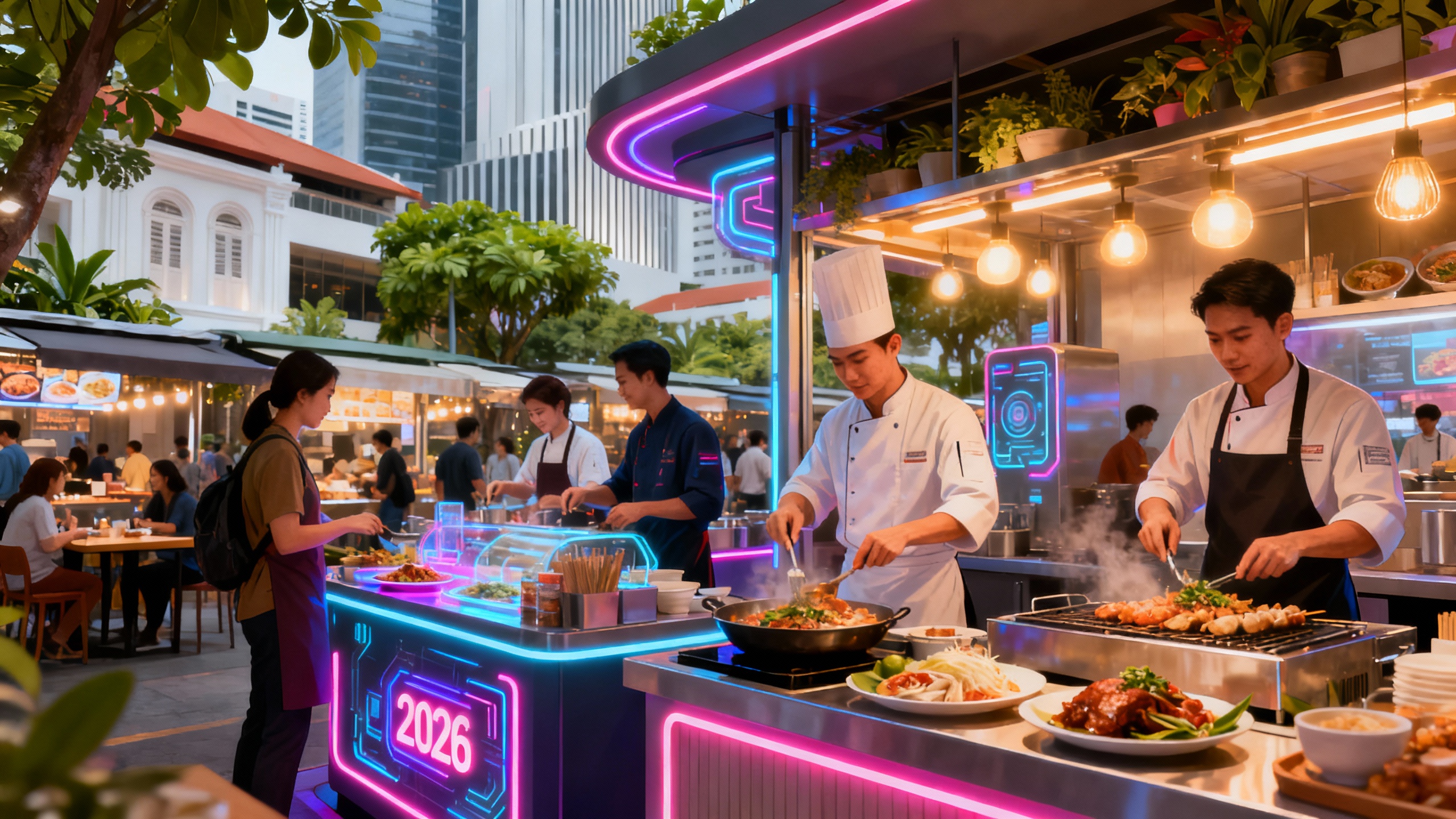
Introduction: The Evolving Culinary Landscape of Singapore in 2026
Singapore remains a global food paradise, renowned for its dynamic and ever-evolving culinary scene. In 2026, the city-state’s food trends highlight a fascinating blend of tradition, innovation, and sustainability. As a bustling metropolis with rich cultural diversity, Singapore continues to set culinary trends that resonate beyond its borders. This blog post explores these emerging trends, uncovering how local chefs, food entrepreneurs, and dining enthusiasts are shaping Singapore’s food future.
The Rise of Sustainable and Plant-Based Dining
One of the most significant shifts in Singapore’s culinary scene this year is the growing emphasis on sustainability and plant-based options. Consumers are increasingly aware of environmental impacts, prompting a surge in vegetarian, vegan, and flexitarian choices. Innovative restaurants are crafting delicious menus that highlight locally sourced ingredients and reduce food waste. For example, eateries like “Open Farm Community” focus on farm-to-table dining using ingredients grown just outside the city, setting a precedent for eco-friendly gastronomy.
Moreover, Singapore is home to several food tech startups producing plant-based meats and seafood alternatives that replicate authentic textures and flavors. This trend caters not only to health-conscious diners but also to those concerned about ethical consumption. Chefs, on their part, creatively incorporate these alternatives into traditional dishes, such as plant-based char kway teow or vegan laksa, ensuring that cultural heritage blends harmoniously with modern sustainability goals.
Fusion Cuisine Reinvented: East Meets West with a Modern Twist
In 2026, Singapore’s blend of cultures continues to inspire fusion cuisine, but with innovative twists. Creative chefs are experimenting with combining local flavors with international culinary techniques, resulting in exciting new dining experiences. For instance, contemporary Peranakan cuisine is being reinterpreted through molecular gastronomy, enhancing the sensory appeal and textures of beloved classics like ayam buah keluak and kueh pie tee.
Furthermore, global influences such as Nordic minimalism and Japanese umami principles are permeating Singapore’s food scene. Restaurants like “Labyrinth” and “Candlenut” exemplify this trend by elevating traditional Singaporean flavors with refined plating and ingredient pairings. This approach not only honors heritage but also caters to a sophisticated palate seeking novelty rooted in familiarity.
Technology and Digital Dining Transformations
Technology continues to reshape the dining experience in Singapore at an accelerated pace. AI-powered personalized menus, augmented reality (AR) dining experiences, and robotic chefs are no longer science fiction but emerging realities. It’s becoming common to see restaurants using AI to predict individual taste preferences and dietary restrictions, thus customizing dishes to each diner’s needs.
Contactless ordering and payment methods, largely refined during the pandemic years, are now integrated with AI to streamline service efficiency further. Additionally, virtual kitchens and ghost restaurants are expanding, offering diverse cuisines through delivery platforms without a physical storefront. This digital transformation is not only convenient but also broadens accessibility for food lovers across the city.
Celebrating Local Heritage Through Food Festivals and Markets
Despite technological advancements, there is a strong resurgence in celebrating Singapore’s culinary heritage through food festivals and traditional markets. Events like the Singapore Food Festival 2026 spotlight heritage dishes with modern renditions while educating attendees on food provenance and cultural stories. Night markets and hawker stalls remain central to this celebration, offering affordable, authentic flavors that connect locals and tourists alike to Singapore’s food roots.
The government and community organizations support these initiatives to preserve the hawker culture, which is recognized by UNESCO as intangible cultural heritage. This balance of preserving tradition while embracing innovation is a defining characteristic of Singapore’s food identity in 2026, making it a unique destination for culinary exploration.
Conclusion: Savoring Singapore’s Food Future
Singapore’s food trends in 2026 reflect a vibrant, forward-thinking culinary ecosystem that honors tradition while embracing sustainability, innovation, and technology. Whether you are a food enthusiast seeking cutting-edge experiences or someone drawn to authentic heritage flavors, Singapore’s food scene promises a rich, diverse, and unforgettable journey. As these trends continue to evolve, Singapore remains a beacon of culinary creativity and cultural fusion on the global stage.