
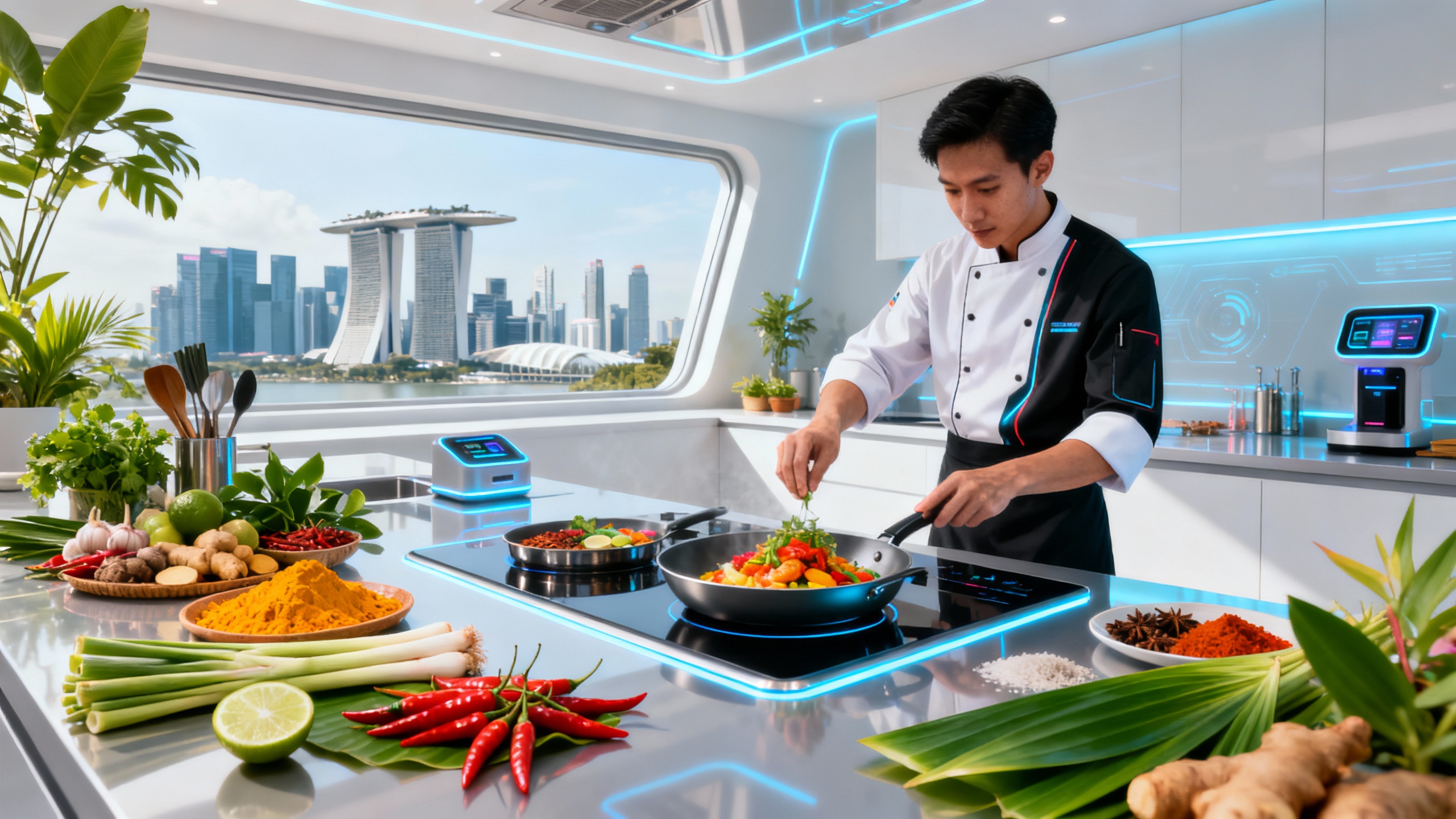
Introduction to Singapore’s 2026 Food Scene
Singapore, long celebrated as a vibrant melting pot of cultures and cuisines, is stepping into 2026 with a dynamic culinary scene that continues to shape global food trends. As a city renowned for its exceptional food offerings—from bustling hawker centers to ultra-modern fine dining—Singapore’s food landscape is evolving with fresh innovations, sustainability efforts, and a deeper embrace of local flavors. This year, food lovers can expect a blend of tradition and innovation that promises to delight every palate.
Emphasis on Sustainable and Plant-Based Dining
One of the most significant trends dominating Singapore’s food scene in 2026 is sustainability. Diners here are increasingly conscious of their environmental impact, sparking an upsurge in plant-based and zero-waste dining options. Restaurants are innovating with locally sourced ingredients, reducing food waste through creative menu planning, and introducing menus designed around seasonal produce. For example, eateries like “Afterglow by Anglow” have been pioneers in offering wholesome, plant-based meals crafted with sustainability at their core, showcasing how ethical gastronomy can still be flavorful and exciting.
Additionally, urban farming initiatives and collaborations with local farms have gained momentum. This allows chefs to incorporate hyper-local ingredients, such as fresh microgreens or unique herbs, into their creations, further enhancing freshness and reducing the carbon footprint associated with imported goods. These efforts not only benefit the environment but also educate consumers about mindful eating habits—a trend likely to gain even more traction throughout the year.
Rise of Contemporary Hawker Food
Singapore’s hawker culture is a UNESCO-recognized heritage, and in 2026, it continues to thrive with contemporary twists. Chefs and hawkers alike are reinventing traditional dishes with modern techniques and exotic ingredient pairings, creating a new wave of culinary excitement while preserving the essence of original flavors. Think artisanal variations of classic dishes like char kway teow or Hainanese chicken rice, enhanced by novel sauces or locally inspired infusions.
An interesting example of this trend is the emergence of hawker stalls offering fusion cuisines that marry traditional Singaporean recipes with international influences, such as Japanese, Korean, or Middle Eastern flavors. This cultural interplay not only provides diners with unique taste experiences but also keeps the hawker tradition relevant to younger generations. Vibrant night markets and hawker festivals spotlight these culinary innovations, inviting foodies to sample a wide range of inventive street eats.
Tech Integration in Dining Experiences
Singapore is also pushing the envelope with tech integration in dining, transforming how customers interact with food. AI-powered chatbots and augmented reality (AR) menus are becoming commonplace in upscale restaurants and casual dining spots, allowing diners to visualize dishes before ordering and customize meals based on dietary preferences or allergies. This personalized approach enhances the dining experience, making it more engaging and informative.
Moreover, the use of robotics for food preparation and delivery is subtly becoming mainstream in some of Singapore’s forward-thinking eateries. These advancements not only improve efficiency but also ensure food safety and consistency, vital in a city renowned for its high hygiene standards. Tech-savvy dining is setting a new benchmark for service quality, creating futuristic culinary experiences that resonate with both locals and tourists.
Culinary Diversity and Revival of Heritage Flavors
Singapore’s multicultural heritage remains a cornerstone of its food identity, and 2026 sees a renewed focus on preserving and celebrating traditional recipes from its diverse communities including Chinese, Malay, Indian, Peranakan, and Eurasian cuisines. There’s a growing movement among chefs to unearth forgotten recipes and use indigenous ingredients, adding depth and authenticity to their menus.
This revival is visible in the growing popularity of specialized restaurants and food tours that educate patrons about the historical and cultural significance behind each dish. Such initiatives foster appreciation and respect for Singapore’s rich culinary tapestry while encouraging locals to reconnect with their roots. The increased visibility of these heritage flavors not only enriches the food scene but underscores the city’s commitment to cultural preservation.
Conclusion: A Delicious Future Ahead
Singapore’s food trends in 2026 paint a vibrant picture of culinary creativity, sustainability, and cultural respect. The city’s food journey is about honoring the past while embracing the future through innovative dining experiences, sustainable practices, and rich flavors. Whether you’re a local foodie or a traveler eager to explore, Singapore offers an unmatched gastronomic adventure filled with surprises and delights at every turn.
For those planning a visit or looking to stay updated, keeping an eye on these trends ensures you’ll never miss the exciting developments shaping Singapore’s food landscape this year.