
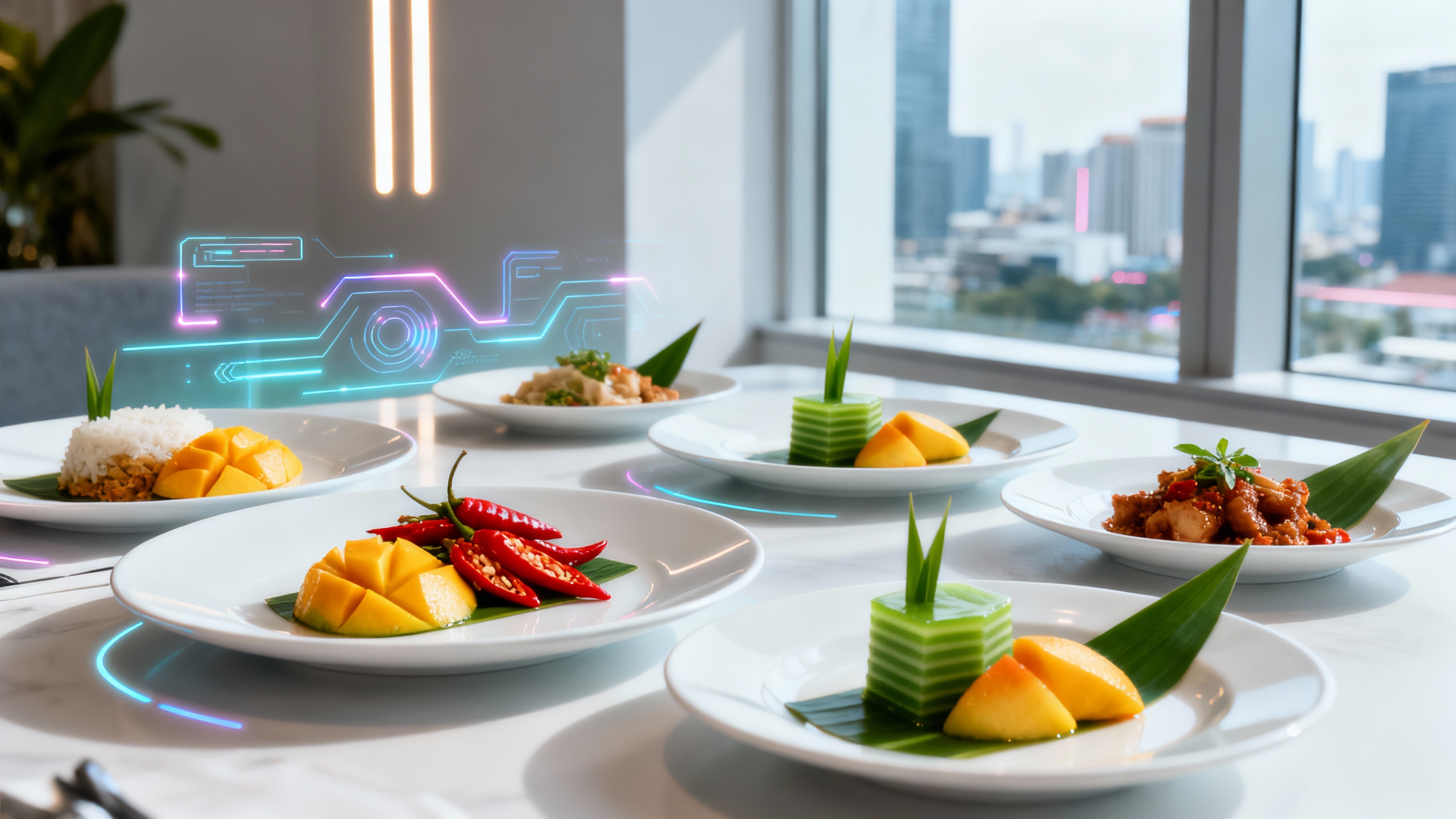
Introduction: Singapore’s Ever-Evolving Food Scene
Singapore has long been celebrated as a culinary hotspot, blending diverse cultures with innovative gastronomy. In 2026, the city-state continues to push the boundaries with exciting food trends that captivate both locals and food enthusiasts worldwide. This year’s culinary journey reveals a blend of technology, sustainability, and cultural fusion, making Singapore one of Asia’s most dynamic food destinations.
Whether you’re a local food lover or a tourist seeking new flavors, understanding the food trends in Singapore will enrich your gastronomic adventure and ensure you experience the freshest and most innovative dishes the city offers.
1. Sustainable and Plant-Based Dining: The Green Revolution
One of the biggest food trends in Singapore this year is the emphasis on sustainability and plant-based eating. Beyond just being a dietary choice, sustainability is a conscious effort reflected in sourcing, preparation, and packaging.
Restaurants are making strides by incorporating locally grown ingredients, partnering with urban farms, and reducing food waste through smart kitchen technologies. For example, eateries such as Cedele have introduced menus centered around organic and locally sourced produce, making plant-based dining both accessible and delicious. Additionally, Singapore’s first vertical farm-to-table restaurant has taken the concept to new heights by harvesting fresh greens within the urban heart of the city.
Plant-based meats continue to rise in popularity, with companies like Karana and Shiok Meats producing innovative alternatives such as mycoprotein dishes and lab-grown seafood. These options appeal not just to vegetarians but also flexitarians seeking healthier and environmentally conscious meals.
2. Technology Integration: From AI to Robotic Chefs
Singapore’s food scene in 2026 is also marked by the increasing integration of technology. AI-powered recommendation systems now help diners discover hidden gems based on their preferences and dietary needs, enhancing the personalized dining experience.
Robotic chefs and automated kitchens are becoming more common, ensuring consistency and efficiency, especially in hawker centers and fast-casual dining segments. For instance, homegrown startups like Creator have introduced robotic systems capable of assembling gourmet burgers with precision, helping reduce wait times while maintaining high quality.
Augmented reality (AR) menus and virtual dining experiences are also trending, especially post-pandemic, allowing diners to preview their meals vividly before ordering — a thrilling experiential addition to Singapore’s culinary landscape.
3. Cultural Fusion with a Modern Twist
The rich cultural tapestry of Singapore continues to serve as an endless source of inspiration for chefs who are redefining traditional dishes. Expect to see more hybrid cuisines where Peranakan flavors meet Nordic minimalism or Malay spices blend with Japanese techniques.
Restaurants such as Candlenut and Labyrinth are renowned for creatively reinterpreting heritage recipes with contemporary methods and presentations. This fusion not only preserves Singapore’s culinary heritage but also appeals to the evolving palates of younger diners seeking novel taste experiences.
Additionally, street food festivals and pop-ups spotlighting different ethnic cuisines in innovative formats are flourishing, providing platforms for emerging chefs to experiment and delight food lovers with new flavor combinations.
4. Wellness and Functional Foods: Eating for Health
Another significant trend in 2026 is the emphasis on wellness and functional foods. Singaporeans are increasingly prioritizing health and mindfulness in their eating habits, seeking foods that support immunity, digestion, and mental clarity.
Ingredients like turmeric, ginger, and lemongrass are used creatively in drinks and dishes to boost health benefits. Smoothie bowls topped with antioxidant-rich superfoods and probiotic-rich fermented items such as kimchi and kombucha are regular features on menus.
Specialty cafes and juice bars that focus on detoxification and holistic nourishment are booming, catering to health-conscious consumers. For example, The Juicery and The Daily Cut offer tailor-made juices and bowls designed to meet individual health goals, making wellness a delicious and accessible affair in Singapore.
Conclusion: Savoring Singapore’s Culinary Future
In 2026, Singapore’s food trends underscore the city’s commitment to innovation, sustainability, and cultural richness. From plant-based innovations and tech-driven dining experiences to modern twists on traditional flavors and a keen focus on health, Singapore remains a vibrant culinary hub that promises to dazzle food lovers worldwide.
Whether you’re indulging in a gourmet plant-based meal, exploring robotic kitchens, or savoring a modern Peranakan dish, Singapore’s evolving food scene offers something deeply rewarding at every turn of your culinary journey.