
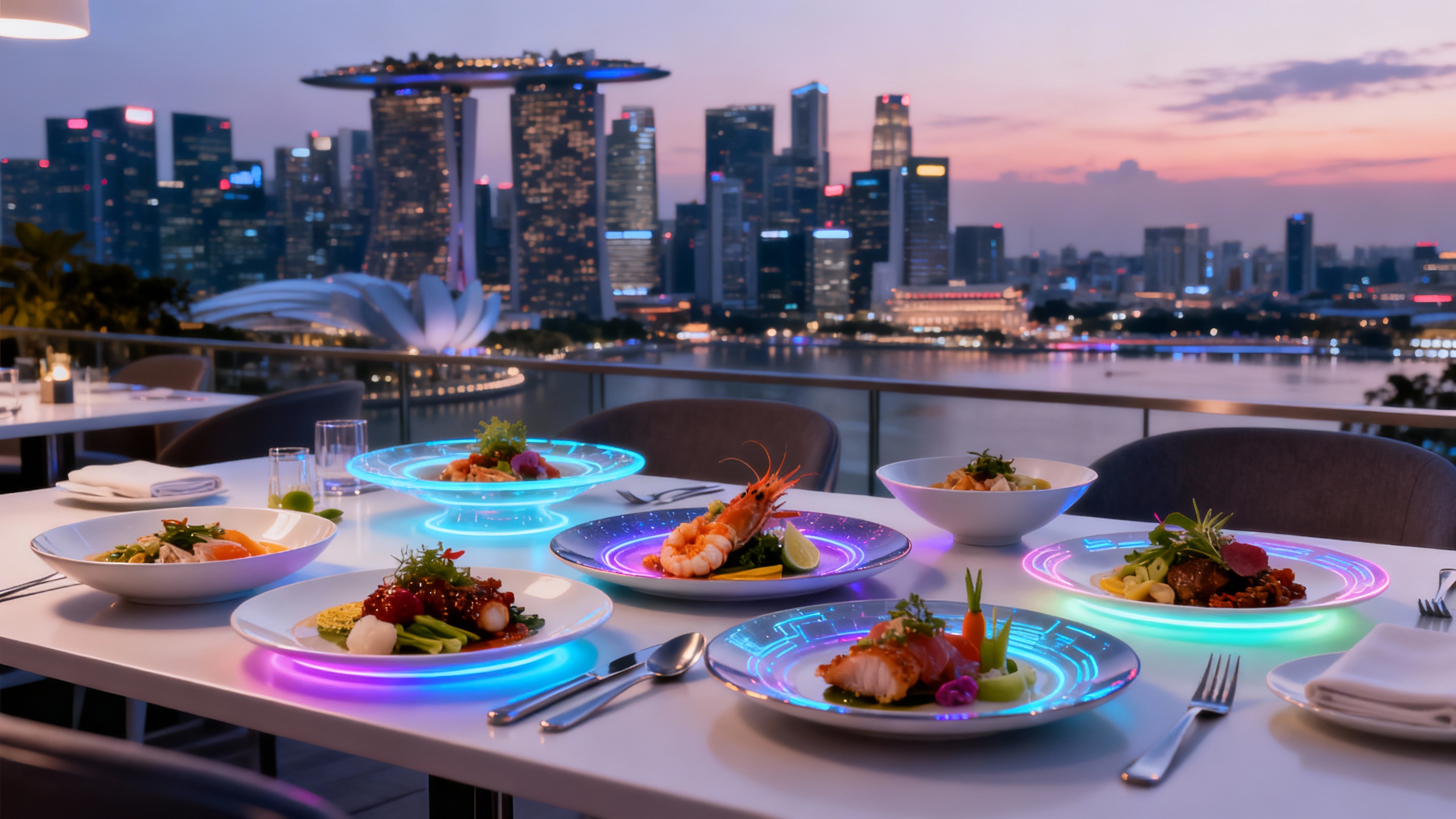
Introduction to Singapore’s Culinary Landscape in 2026
Singapore’s vibrant culinary scene is renowned worldwide for its rich tapestry of flavors, blending multiple cultures seamlessly. As we step into 2026, the food trends in this city-state continue to evolve, reflecting not only traditional roots but also innovative techniques and conscious eating habits. This year promises a culinary journey like no other, where bold flavors meet sustainability and tech-driven dining experiences.
Understanding the trends is crucial for both locals and tourists who want to savor the best of what Singapore has to offer. From hawker centers embracing modern twists to upscale restaurants redefining gourmet dining, Singapore’s food scene in 2026 is dynamic and full of exciting possibilities.
Trend 1: Sustainable and Plant-Based Innovations
One of the most significant shifts in Singapore’s food trends is the move towards sustainability, particularly through plant-based diets. In 2026, Singapore has intensified its focus on reducing carbon footprints by promoting plant-based proteins that don’t compromise on taste or texture. For example, local startups have been pioneering lab-grown meats and plant-based seafood alternatives that capture the essence of traditional dishes like chili crab and Hainanese chicken rice.
In addition, many hawker stalls have adopted more eco-friendly practices—such as using biodegradable packaging and reducing food waste—aligning with Singapore’s Green Plan 2030 goals. This trend shows a growing awareness among consumers who are increasingly seeking flavorful, yet environmentally responsible dining options.
Trend 2: Fusion of Heritage and Contemporary Flavors
Singapore’s culinary heart beats strongest in its fusion cuisine, where heritage recipes are reimagined with contemporary ingredients and techniques. In 2026, expect to see a spectacular range of dishes that mix diverse cultural elements, reflecting Singapore’s multicultural identity. For instance, chefs are creatively blending Peranakan spices with Japanese umami or infusing traditional Malay desserts with molecular gastronomy to create unexpected textures.
This trend not only honors the past but also embraces experimentation, inviting diners to explore familiar tastes presented in novel ways. This fusion movement is encouraged by the rise of boutique eateries and chef collaborations, which champion creativity without losing authenticity.
Trend 3: Tech-Enhanced Dining Experiences
Singaporeans are known for their tech-savviness, and this is evident in the dining experience of 2026. Restaurants and food outlets increasingly incorporate technology to enhance customer interaction and service efficiency. From augmented reality menus that showcase dishes visually and interactively to AI-powered recommendation systems that personalize meal choices, the use of technology is making dining more engaging and convenient.
Moreover, the rise of automation in kitchens helps maintain consistency and reduces wait times, allowing chefs to focus on taste and presentation. This tech influx also caters to Singapore’s busy urban lifestyle, offering streamlined takeout and delivery services through smart apps and digital payment solutions.
Trend 4: Revival of Traditional Hawker Culture
The soul of Singaporean food culture lies in its hawker centers, and 2026 sees a resurgence in their popularity, partly fueled by government initiatives to preserve these iconic communal spaces. However, the hawker experience is evolving, blending traditional charm with modern sensibilities. Many hawkers now highlight artisanal techniques and lesser-known regional recipes, showcasing the breadth of Singapore’s culinary heritage.
For example, you might find stalls specializing in rare noodles, heritage sambal recipes, or new interpretations of classic dishes using organic or heritage ingredients. This revival ensures that the hawker culture, recognized by UNESCO, continues to thrive amidst urban growth and globalization.
Conclusion: A Feast of Opportunities in 2026
Singapore’s food trends in 2026 highlight a thriving culinary ecosystem that balances innovation with tradition, sustainability with indulgence, and technology with human connection. Whether you’re a local food lover or an adventurous traveler, this year promises a unique and rich gastronomic experience across all price points and dining styles.
By embracing sustainable practices, honoring cultural roots, integrating technology, and revitalizing hawker traditions, Singapore establishes itself firmly as a global food capital. So, pack your appetite and prepare to dive into an incredible culinary journey that this city offers in 2026.