
Diving Into Singapore’s Culinary Renaissance
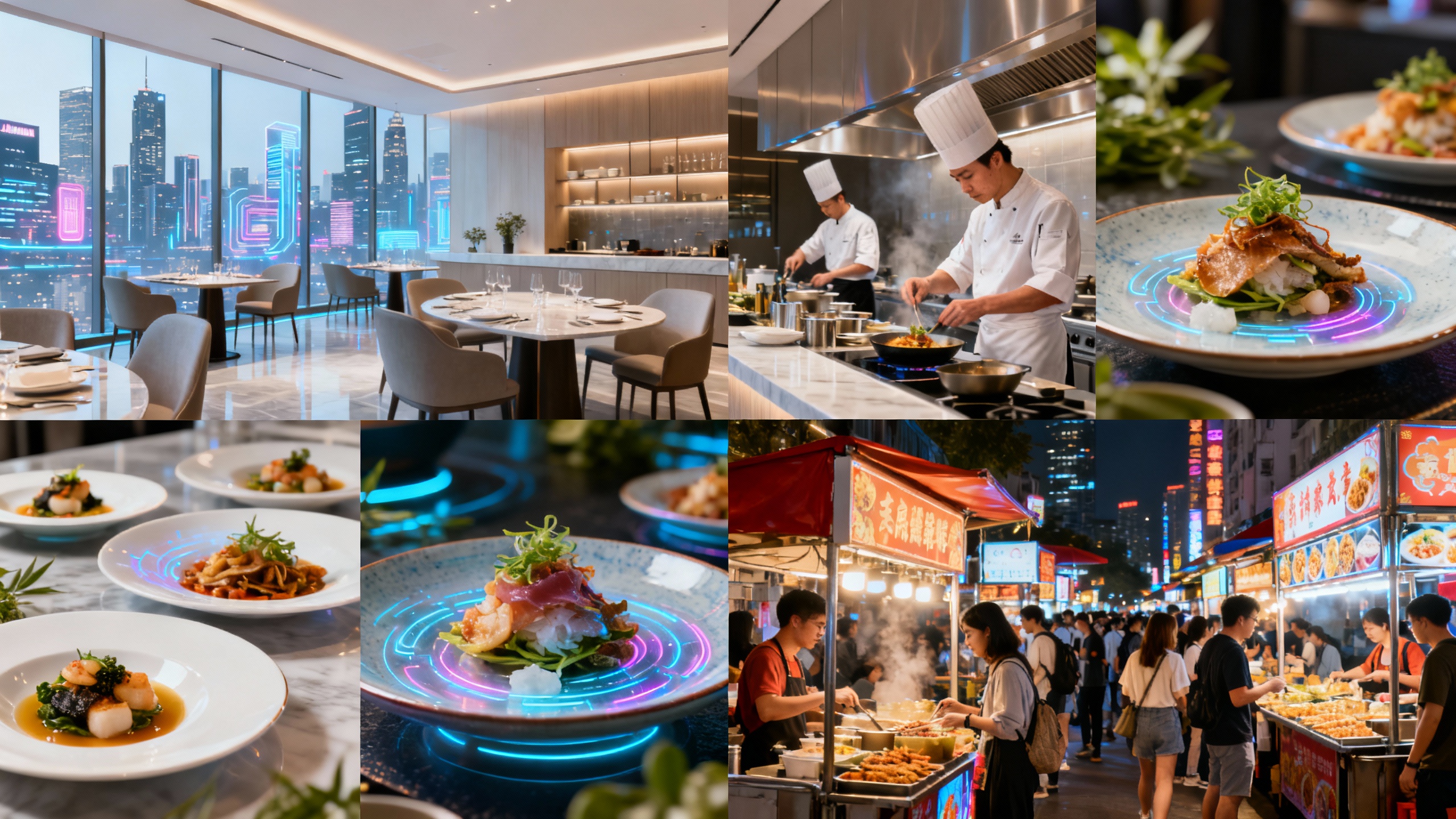
Singapore has long been celebrated as a gastronomic paradise where diverse culinary traditions converge, but 2026 is shaping up to be a landmark year in its culinary evolution. The city-state is experiencing a vibrant renaissance, fueled by innovative chefs, a surge in sustainable practices, and an eager food-loving population hungry for fresh tastes. This renaissance is not just about preserving heritage dishes but blending traditional flavors with contemporary techniques and global influences, making Singapore’s food scene exceptionally dynamic and worth exploring.
At the heart of this culinary revival is a distinct emphasis on sustainability and local sourcing. Chefs increasingly embrace farm-to-table approaches, prioritizing organic and locally-grown ingredients to reduce environmental impact while enhancing freshness and flavor. This shift resonates with global trends but takes unique form in Singapore’s urban context, highlighting native produce like pandan, lemongrass, and tropical fruits alongside premium seafood and meats sourced responsibly.
Top Food Trends Defining Singapore in 2026
One of the standout trends is the rise of innovative plant-based cuisine. Beyond mere substitutes, chefs are crafting dishes that elevate vegetables and legumes into culinary stars—think jackfruit rendang with rich layers of spice and umami or mushroom-based Hainanese chicken rice that surprises with its texture and depth. This trend marries health consciousness with sustainability, appealing to both vegans and curious meat-eaters alike.
Another pivotal trend is the resurgence of traditional hawker fare, but with a modern twist. Bakeries and stalls reimagine classics like kaya toast, chili crab, and laksa by experimenting with fermentation, sous-vide techniques, or fusion flavors from neighboring cuisines. For example, one top contender infuses laksa broth with miso for an umami bomb, while another bakery offers pandan-infused croissants, merging French patisserie with local flavor.
The integration of cutting-edge food technology is also evident, with some restaurants utilizing AI to personalize menus based on patient dietary needs or preferences, enhancing both taste and health benefits. Augmented reality dining experiences are emerging, adding a sensory dimension to meals that merge visual storytelling with edible art.
Must-Visit Restaurants in Singapore for 2026
1. Amber at The National Gallery Singapore: Renowned for its commitment to precision and innovation, Amber continues to impress with its evolving menus that highlight seasonal and sustainable ingredients. Their 2026 offering includes a signature dish featuring Singaporean kampong vegetables and heritage pork, meticulously paired with rare wines.
2. Burnt Ends: This modern Australian barbecue spot has mastered the art of open-fire cooking, with smoke-infused meats and vegetables that capture deep, smoky flavors. In 2026, they’ve introduced a vegetarian tasting menu that stands out for its creativity and balance, proving that barbecue isn’t just for meat.
3. Labyrinth: A pioneer in elevating Singaporean street food, Labyrinth’s chef showcases bold and playful interpretations of beloved hawker dishes. Their new sustainable seafood dishes, including a chili crab-inspired prawn creation with a plant-based sauce, exemplify culinary innovation rooted in tradition.
4. PS.Cafe at Martin Road: Known for its Instagram-worthy ambiance and indulgent desserts, PS.Cafe is expanding its menu with healthier, nutrient-dense dishes that incorporate superfoods and adaptogenic herbs, catering to the wellness-conscious crowd without sacrificing taste.
5. Wildseed Cafe: For fans of the plant-based movement, Wildseed Cafe is a trailblazer, offering menus that celebrate local ingredients in vegan and vegetarian formats. Their 2026 highlights include a jackfruit curry that balances authentic spices with modern plating and presentation.
Experiencing Singapore’s Food Culture Beyond Restaurants
Singapore’s culinary renaissance is not confined to fine dining. Food festivals, interactive cooking classes, and hawker tours immerse visitors in the culture and history behind the flavors. The Singapore Food Festival 2026, for example, showcases collaborations between seasoned hawkers and new-age chefs, highlighting the evolution of iconic dishes.
Moreover, hawker centers continue to be vibrant hubs where locals and tourists mingle, savoring inexpensive yet phenomenal meals that tell stories of the city’s multicultural heritage. Visiting Maxwell Food Centre, Lau Pa Sat, or the newly revitalized Tiong Bahru Market gives you a taste of authentic Singaporean life and cuisine.
Final Thoughts
Singapore in 2026 stands at an exciting culinary crossroads. Its renaissance blends respect for tradition with fearless innovation, sustainable practices, and a bold embrace of technology. Whether you are a seasoned foodie or a curious traveler, the city offers countless epicurean adventures that promise to delight your palate and enrich your understanding of Singapore’s dynamic culture.
Don’t miss the opportunity to taste this vibrant mix of flavors, from street-side hawker delights to contemporary culinary masterpieces—all testaments to Singapore’s status as a global food capital.