
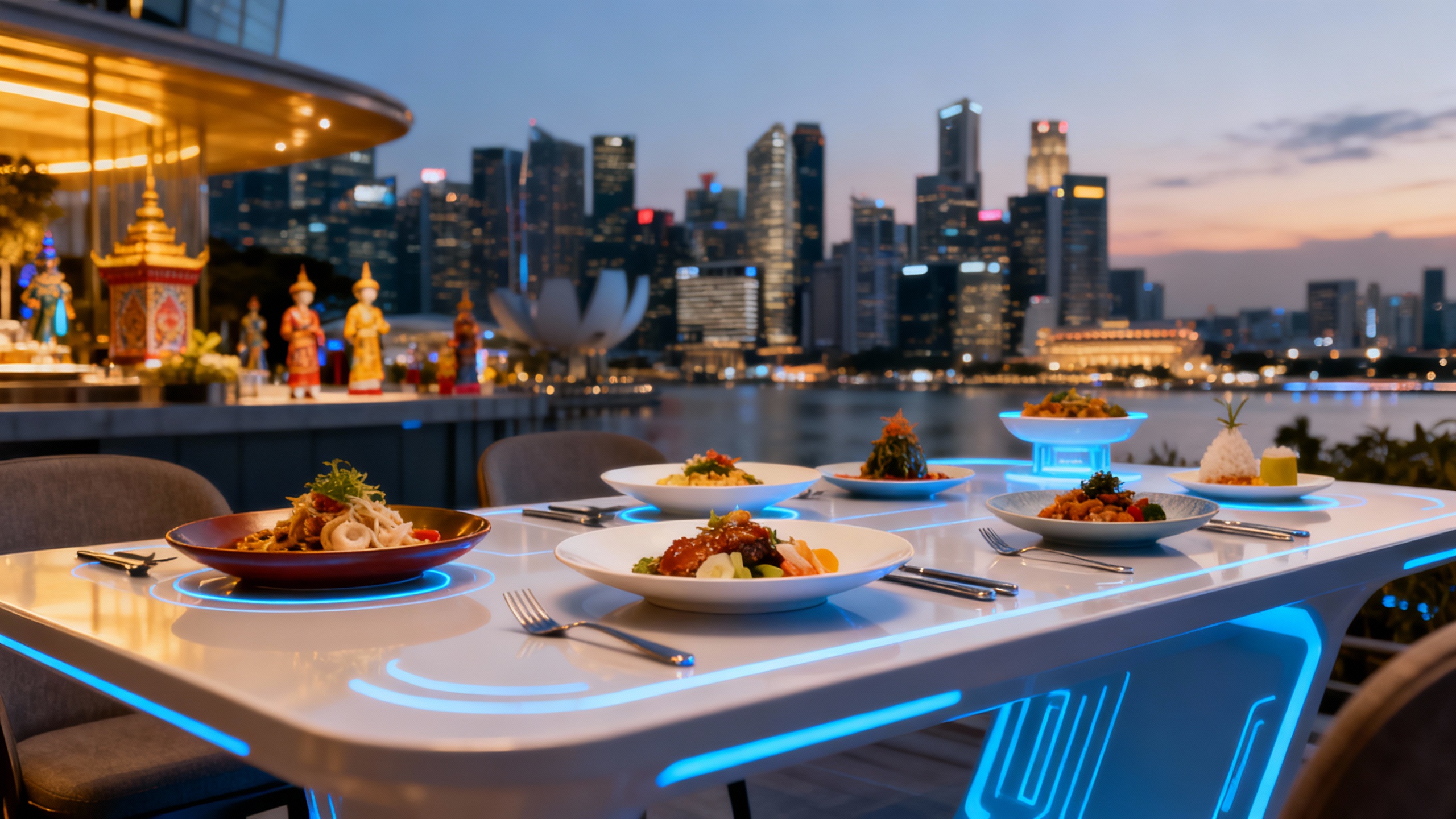
Discovering the Culinary Vibrance of Singapore in 2026
Singapore has long been hailed as a gastronomic haven, boasting a melting pot of cultures that seamlessly blend into its food scene. As we step into 2026, the city-state continues to push culinary boundaries, offering food enthusiasts new experiences that are both innovative and deeply rooted in tradition. This year, Singapore’s food trends reflect global movements towards sustainability, health consciousness, and bold flavor experiments.
What makes Singapore’s food trends exciting is the dynamic interplay between age-old recipes and cutting-edge culinary technology. Local hawker centers, upscale restaurants, and cozy cafes alike are championing these transformations, drawing food lovers from around the world. Whether you’re a fan of plant-based dishes, traditional flavors with a modern twist, or immersive dining concepts, Singapore in 2026 has something extraordinary to offer.
Trend 1: Sustainable and Ethical Eating Takes Center Stage
With growing awareness about environmental impact, Singapore’s 2026 food scene heavily emphasizes sustainability. Restaurants and hawker stalls are prioritizing locally sourced ingredients and minimizing food waste. For example, farm-to-table establishments like “Open Farm Community” are setting new standards by partnering directly with urban farmers to offer fresh, seasonal produce.
Moreover, innovative startups in Singapore have introduced insect protein as a sustainable alternative, integrating it into snacks and dishes without compromising taste. This shift resonates with a global push towards reducing reliance on traditional meat sources. Food festivals this year prominently feature discussions and workshops about ethical consumption, underscoring the importance Singapore places on responsible dining.
Trend 2: Plant-Based and Flexitarian Eating Flourishes
The global plant-based movement is thriving in Singapore, where a diverse population appreciates options that cater to health and dietary sensitivities. In 2026, we see more creative interpretations of local favorites made with plant-based ingredients—think vegan laksa with coconut milk and gluten-free roti prata crafted from chickpea flour.
Restaurants like “Afterglow” champion this trend by creating guilt-free dishes that do not sacrifice flavor or culture. Many eateries are adopting a flexitarian approach, encouraging diners to enjoy meat occasionally while integrating plant-forward meals into their routines. This flexibility helps accommodate Singapore’s multicultural palate, allowing both traditional tastes and modern preferences to coexist.
Trend 3: Tech-Enhanced Dining Experiences
Singapore is at the forefront of integrating technology into the culinary space. In 2026, more restaurants are adopting AI-driven personalized menus that cater to diners’ health goals and taste preferences, enhancing both the experience and nutrition. For instance, some food courts now use smart ordering kiosks that recommend dishes based on past orders and dietary restrictions.
Additionally, virtual reality (VR) dining experiences have emerged, pairing inventive dishes with immersive storytelling. This futuristic approach transforms a meal into an unforgettable adventure, attracting both locals and tourists who crave novelty alongside culinary excellence.
Trend 4: Revival of Heritage Flavors with a Contemporary Twist
Amid all the innovations, Singapore’s chefs remain deeply connected to their roots, reviving traditional recipes with modern interpretations. Heritage eateries are reinventing classics like Hainanese chicken rice and chili crab by using innovative cooking methods or garnishing with unexpected ingredients.
For example, “Burnt Ends,” a Michelin-starred barbecue restaurant, uses traditional Southeast Asian spices combined with Western grilling techniques to spectacular effect. This blend of old and new honors the cultural heritage of Singapore’s food while appealing to a cosmopolitan audience, ensuring that these iconic dishes remain relevant into the future.
Planning Your Culinary Journey in Singapore 2026
To truly appreciate Singapore’s 2026 food trends, start with a visit to hawker centers such as Maxwell Food Centre or Lau Pa Sat, where innovative dishes meet authentic street food vibes. Reserve a table at trend-setting restaurants and take part in food tours that highlight sustainability and heritage.
Don’t miss out on food festivals and pop-up events that feature talks by celebrated chefs and tasting sessions focusing on the new wave of ingredients and cooking styles. Whether you’re a dedicated foodie or a casual traveler eager to try something new, Singapore offers a flavorful passport to the future of dining that is both conscious and captivating.
In conclusion, Singapore’s food landscape in 2026 is vibrant and evolving, balancing tradition with innovation and sustainability with indulgence. This unique culinary journey showcases the city’s ability to adapt and reinvent itself, making it a must-visit destination for anyone passionate about food and culture.