
Singapore’s Culinary Renaissance: Top Food Trends and Must-Visit Restaurants in 2026
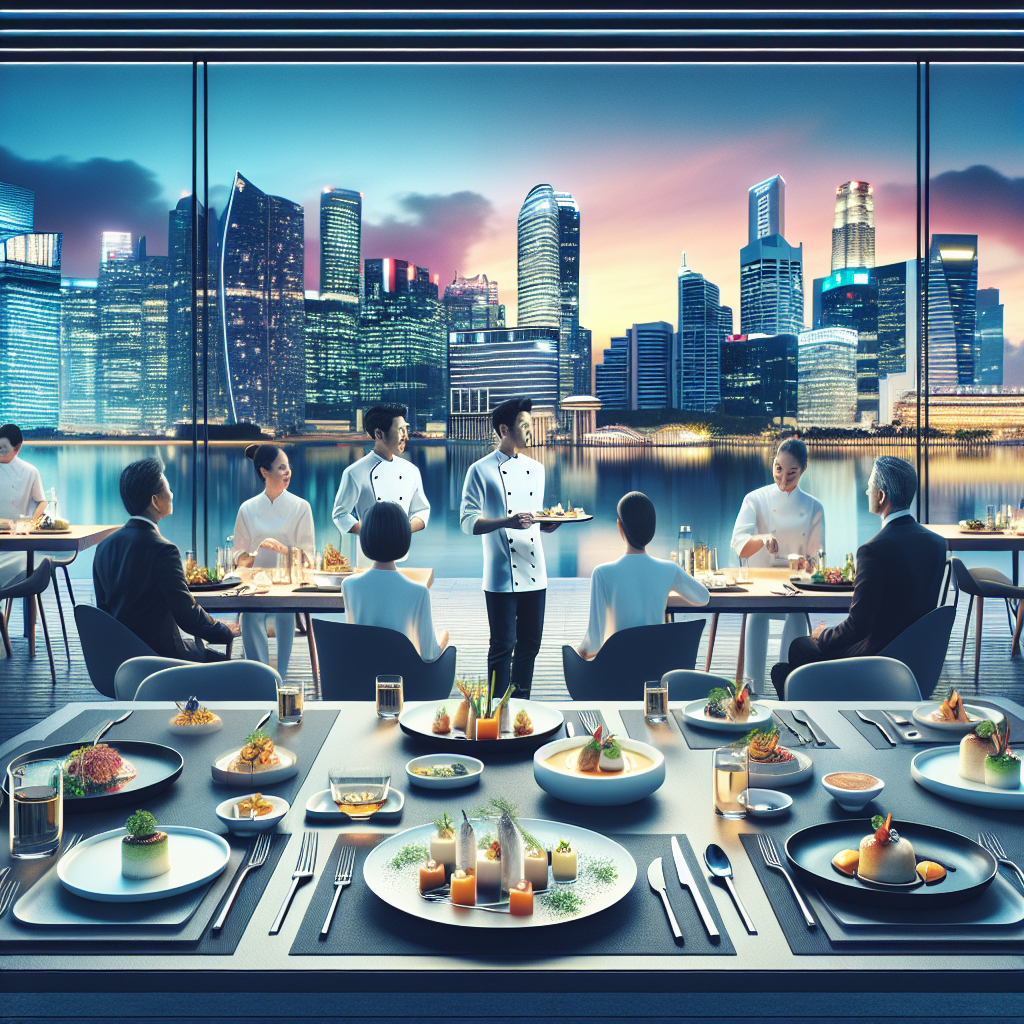
Singapore’s food scene is experiencing a vibrant renaissance in 2026, characterized by innovative culinary trends and a resurgence of beloved classics. From the rise of plant-based cuisine to the revival of traditional dishes, the city-state’s gastronomic landscape is both dynamic and diverse. In this post, we’ll explore the top food trends shaping Singapore’s culinary scene and highlight must-visit restaurants that embody these exciting developments.
Top Food Trends in Singapore for 2026
1. Plant-Based Innovation
Plant-based cuisine has evolved beyond mere meat substitutes to embrace innovation and depth of flavor. Chefs are delving into the textures and flavors of plant proteins, creating dishes that are both indulgent and nourishing. For instance, at Eleven Madison Park, Daniel Humm layers roasted celeriac confit with fermented almond cream, showcasing the versatility of vegetables. In Singapore, chef Bjorn Shen experiments with “fat engineering,” using emulsified nut oils and kelp extracts to replicate the mouthfeel of dairy butter. This approach results in plant-forward dishes that are luxurious and balanced, such as mushroom-fat mists and seaweed “bacon.” ([foodieinparadise.com](https://www.foodieinparadise.com/share/-culinary-trends-in-2026-whats-next-on-the-plate?utm_source=openai))
2. Emphasis on Regional Ingredients
There’s a growing appreciation for regional ingredients, with chefs spotlighting locally sourced and even forgotten produce. This trend reflects a desire for seasonal menus and a deeper connection to the land. For example, the farm-to-table movement is gaining traction in Singapore, with high-tech vertical farming and local aquaculture making local sourcing a reality. Many top-rated restaurants now emphasize the use of fresh produce and seafood, often sourcing ingredients locally to ensure peak quality and flavor. ([sgdiningguide.com.sg](https://sgdiningguide.com.sg/singapore-restaurant-scene-evolving-dining-trends-2025/?utm_source=openai))
3. Sustainable and Ethical Practices
Sustainability is at the forefront of Singapore’s culinary scene, with restaurants adopting eco-friendly practices such as biodegradable packaging and regenerative farming. Upcycling food scraps into new dishes is also gaining popularity, aligning with Singapore’s green initiatives. This commitment to sustainability not only reduces waste but also enhances the dining experience by offering innovative and environmentally conscious dishes. ([hotinsg.com](https://hotinsg.com/singapore-fb-2025-key-opportunities-growth/?utm_source=openai))
4. Global Comfort Food
Comfort food has transcended borders, with chefs infusing global flavors into traditional dishes. This fusion creates a sense of familiarity while introducing new tastes. For instance, in Singapore, diners can enjoy pastries layered with kaya and sea salt or focaccia enriched with shokupan softness. Such authentic global fusion reflects a genuine appreciation for diverse culinary traditions. ([delifrance-eshop.sg](https://www.delifrance-eshop.sg/blogs/product-news/food-trends-singapore-bakery-cafe-2026?utm_source=openai))
5. Flavor Tension and the New Sweetness
Balance in flavors is evolving from harmony to tension, with chefs composing dishes that juxtapose sweet against salt, acid against smoke, and umami against bitterness. This approach leads to unexpected and memorable flavor combinations, such as black-garlic chocolate mousse or miso-caramel drizzles. This trend adds depth and complexity to the dining experience, challenging traditional notions of flavor balance. ([foodieinparadise.com](https://www.foodieinparadise.com/share/-culinary-trends-in-2026-whats-next-on-the-plate?utm_source=openai))
Must-Visit Restaurants in Singapore in 2026
1. Odette
Odette, one of Singapore’s most celebrated restaurants, has reopened with a refreshed aesthetic after a seasonal closure. Chef Julien Royer, in collaboration with designer Sacha Leong, has reimagined the space within the National Gallery’s former Supreme Court building. The updated interiors feature warmer tones and art-deco influences, creating a matured atmosphere. The culinary experience has evolved towards lighter and fresher European fare, with highlights such as Bafun uni on French toast and a refined onion millefeuille finished with Jura wine jus. Signature classics like Kampot pepper-crusted pigeon continue to be featured, maintaining the restaurant’s esteemed reputation. ([wallpaper.com](https://www.wallpaper.com/travel/restaurants/odette-singapore-review?utm_source=openai))
2. Araya
Araya, a sleek 30-seater in Mondrian Singapore Duxton, has been recognized as one of the world’s coolest restaurants by Forbes in 2026. This establishment offers Chilean cuisine with a contemporary twist, providing a unique dining experience that reflects Singapore’s embrace of global culinary influences. ([timeout.com](https://www.timeout.com/singapore/news/this-restaurant-in-singapore-is-one-of-the-coolest-in-the-world-according-to-forbes-121025?utm_source=openai))
3. Nae:um
Helmed by chef-owner Louis Han, Nae:um is known for its authentic Korean-style marination of meats. The restaurant plans to introduce Hanwoo beef, freshly approved for export to Singapore, offering diners a taste of this prized South Korean beef. The balance of meatiness and fat in Hanwoo beef is expected to attract those seeking premium ingredients with a unique flavor profile. ([straitstimes.com](https://www.straitstimes.com/life/food/2026-food-trends-chefs-foresee-the-rise-of-regional-ingredients-sustainable-cooking?utm_source=openai))
4. GU:UM
GU:UM, another establishment by chef Louis Han, specializes in Korean-style marinated meats. The restaurant is excited to showcase the variety of flavors and textures that Hanwoo beef offers, using their signature marination techniques. This addition is anticipated to enhance the dining experience and attract a broader audience interested in premium Korean beef. ([straitstimes.com](https://www.straitstimes.com/life/food/2026-food-trends-chefs-foresee-the-rise-of-regional-ingredients-sustainable-cooking?utm_source=openai))
5. Ami Patisserie
Pastry chef Makoto Arami’s Ami Patisserie is at the forefront of the rise of Japanese wine bars and Asian wines in Singapore. The patisserie offers a selection of desserts and pastries that pair well with Japanese wines, reflecting the growing appreciation for these beverages in the local culinary scene. ([straitstimes.com](https://www.straitstimes.com/life/food/2026-food-trends-chefs-foresee-the-rise-of-regional-ingredients-sustainable-cooking?utm_source=openai))
Conclusion
Singapore’s culinary landscape in 2026 is a tapestry of innovation, sustainability, and cultural appreciation. The city’s chefs and restaurateurs are embracing global influences while honoring local traditions, creating a dining experience that is both diverse and cohesive. Whether you’re a local resident or a visitor, exploring these trends and establishments offers a delicious journey through Singapore’s evolving food scene.
For a visual guide to some of the best dining experiences in Singapore, check out the following video:
Embark on a culinary adventure and savor the flavors that define Singapore’s gastronomic renaissance in 2026.