
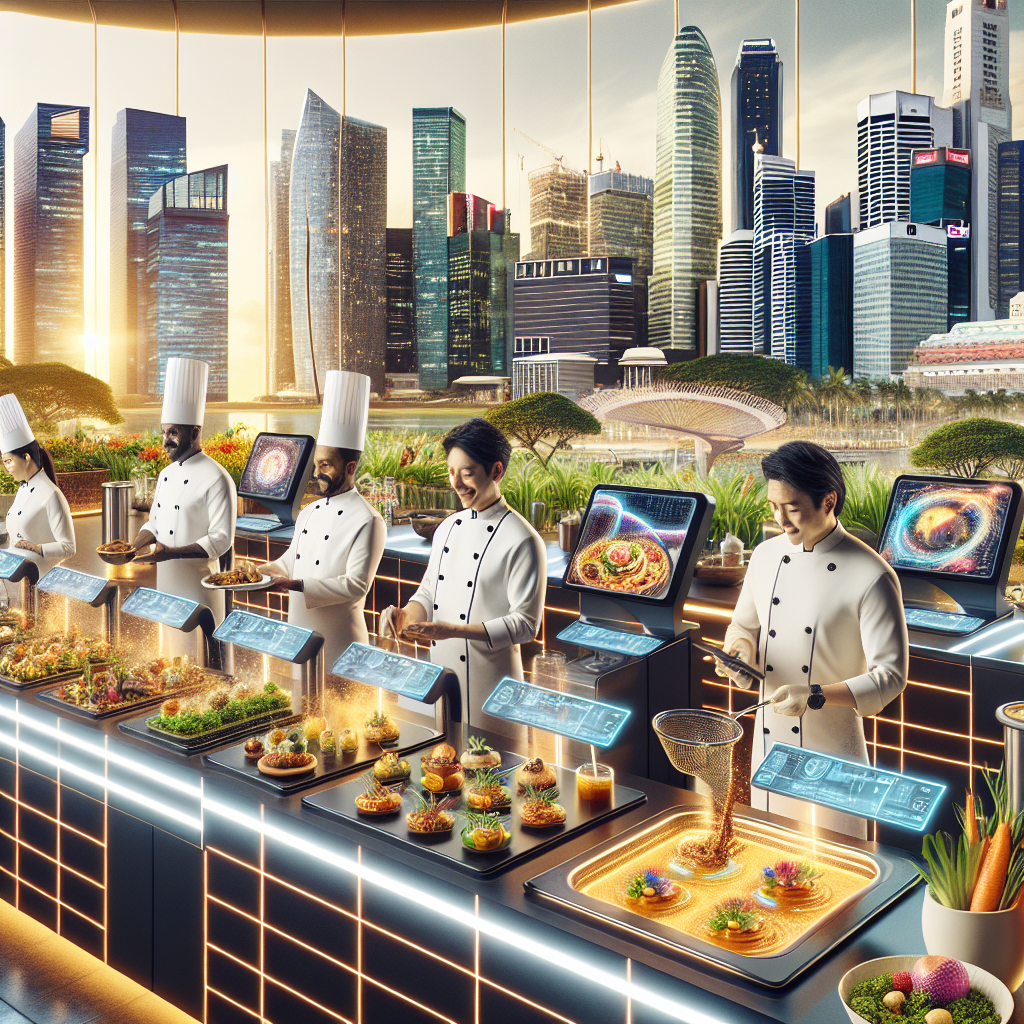
Singapore’s 2026 Food Trends: A Culinary Journey
As we step into 2026, Singapore’s vibrant culinary scene continues to evolve, embracing new flavors, sustainable practices, and innovative dining experiences. This year, food enthusiasts can look forward to a fusion of tradition and modernity, with trends that reflect both global influences and local heritage.
1. Embracing Regional Ingredients
In 2026, there’s a notable shift towards incorporating regional ingredients into Singapore’s cuisine. Chefs are increasingly sourcing local produce and meats, such as Hanwoo beef from South Korea, which has recently been approved for export to Singapore. This premium beef offers a unique balance of meatiness and fat, appealing to diners seeking high-quality, flavorful options. Restaurants like Cote Korean Steakhouse and Nae:um are already featuring Hanwoo beef in their menus, highlighting its versatility and rich taste.
Additionally, the rise of Japanese wines is gaining traction. With improved quality and unique characteristics, these wines are being paired with local dishes, offering a novel dining experience. Pastry chef Makoto Arami of Ami Patisserie plans to incorporate Japanese wines into his omakase menu, showcasing the harmonious blend of flavors between Japanese wines and Singaporean cuisine.
2. Sustainable and Plant-Forward Eating
Sustainability continues to be a driving force in Singapore’s food trends. Plant-based eating is no longer just a dietary choice but a lifestyle embraced by many. Cafés and bakeries are reimagining traditional pastries with plant-based ingredients, creating lighter yet indulgent options. For instance, croissants made with plant-based butter and pastries filled with mushrooms or spiced chickpeas are gaining popularity, catering to both plant-based eaters and those seeking healthier alternatives.
Moreover, the focus on sustainability extends to the use of alternative proteins. Plant-based meats, lab-grown meats, and hybrid products are becoming more prevalent, offering consumers ethical and environmentally friendly choices without compromising on taste and texture. This shift reflects a broader global movement towards conscious eating and responsible sourcing.
3. The Rise of Fermented Foods
Fermentation is making a comeback in 2026, with chefs and home cooks alike experimenting with this ancient technique to enhance flavors and nutritional value. Beyond traditional applications like yogurt and kimchi, fermentation is being explored in new contexts. For example, fermented olives and spicy dill pickles are adding depth to dishes, while fermented nut butters and condiments are introducing unique flavors to the culinary landscape.
This trend aligns with a growing interest in gut health and the benefits of probiotics, encouraging diners to explore the diverse world of fermented foods and their positive impact on digestion and overall well-being.
4. Citrus Explosion
Citrus fruits are taking center stage in 2026, with unique varieties like pomelo, calamansi, and yuzu adding brightness and tang to a wide range of dishes and beverages. These fruits are being incorporated into cocktails, dressings, and desserts, offering refreshing twists and complex flavor profiles. For instance, yuzu is being used in vinaigrettes, calamansi in cocktails, and pomelo in sweet treats, showcasing the versatility and appeal of citrus in modern cuisine.
5. Convenience Meets Quality
In Singapore’s fast-paced urban environment, convenience is key. However, consumers are not willing to compromise on quality. The foodservice industry is responding by offering ready-to-bake solutions, pre-proofed doughs, and frozen viennoiserie, allowing operators to deliver fresh bakes while managing labor costs and consistency. This approach ensures that customers can enjoy high-quality, artisanal products without the wait, blending convenience with culinary excellence.
6. Exclusive and Limited-Time Offerings
The allure of exclusivity is influencing Singapore’s food trends in 2026. Limited-time launches and blind boxes are creating a sense of urgency and excitement among consumers. This trend is not only transforming toy stores but also the food industry, with unique and ephemeral products enticing diners to try something new before it’s gone. This approach taps into the desire for novelty and the thrill of discovery, making dining experiences more dynamic and engaging.
7. Beans and Legumes Take the Spotlight
Beans and legumes are experiencing a resurgence in 2026, celebrated for their versatility, nutritional value, and sustainability. Varieties like cannellini beans and lima beans are being incorporated into a wide range of dishes, from salads to stews, offering hearty and wholesome options. This trend reflects a broader appreciation for plant-based proteins and the role they play in a balanced diet.
Conclusion
Singapore’s culinary landscape in 2026 is a vibrant tapestry of innovation and tradition. From embracing regional ingredients and sustainable practices to exploring the depths of fermentation and citrus flavors, the food scene is evolving to meet the diverse tastes and values of today’s diners. As these trends continue to unfold, Singapore remains a dynamic hub for culinary exploration and gastronomic delight.
Stay tuned for more insights into Singapore’s ever-evolving food trends as we continue to explore the flavors that define this gastronomic paradise.
Note: The information presented in this article is based on current trends and may evolve as the year progresses.