
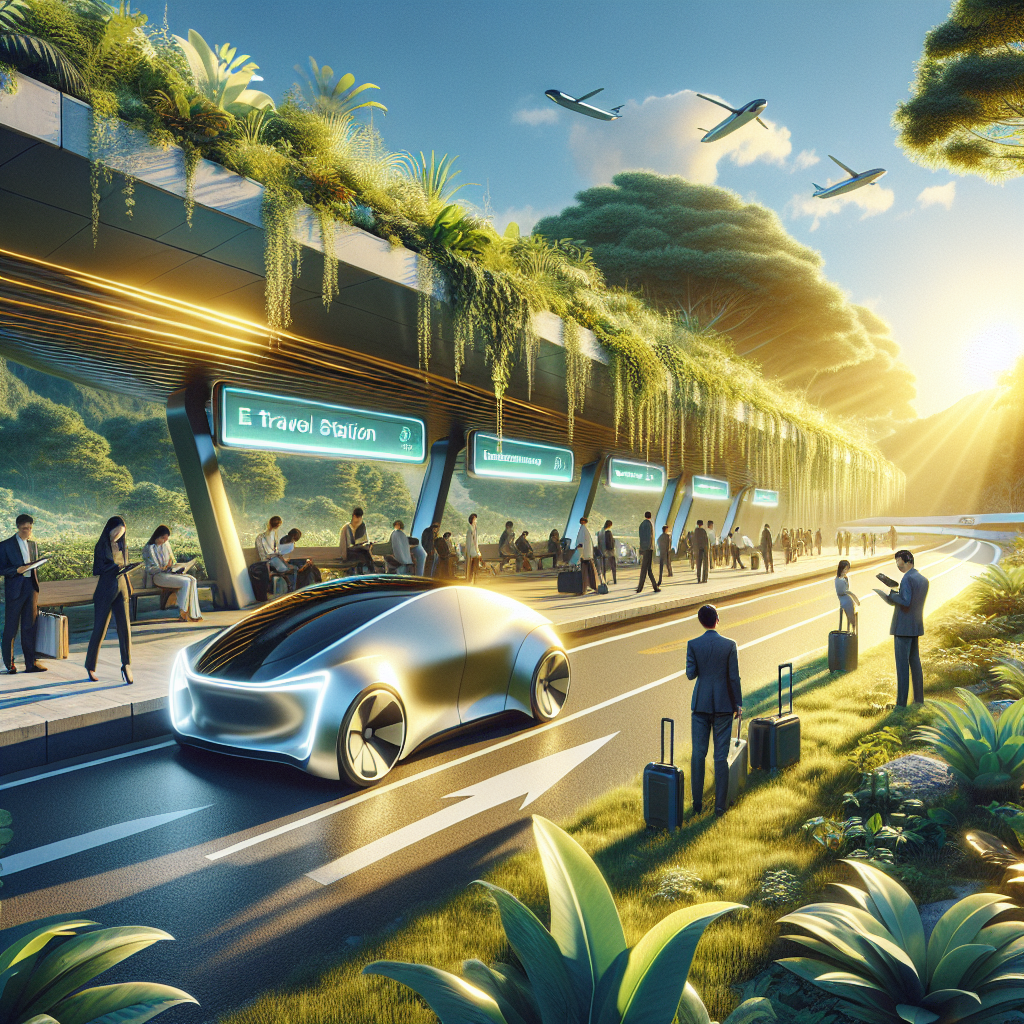
Embracing Sustainable and Tech-Enhanced Travel in 2026
As we step into 2026, the travel landscape is undergoing a remarkable transformation. Travelers are increasingly seeking experiences that not only minimize environmental impact but also leverage cutting-edge technology to enhance their journeys. This fusion of sustainability and innovation is reshaping how we explore the world.
Wellness-Focused Experiences in Eco-Conscious Settings
The wellness tourism industry is experiencing a significant shift. Beyond traditional spa retreats, travelers are now gravitating towards immersive experiences that rejuvenate both the individual and the environment. Carbon-neutral wellness retreats powered by renewable energy are gaining popularity, offering activities like forest bathing and meditation retreats that support reforestation projects and habitat protection. Luxury accommodations are responding with regenerative agriculture programs, zero-waste spa treatments, and even “sleep tourism,” where eco-lodges built around circadian wellness help travelers reconnect with their bodies while maintaining minimal environmental impact. This trend reflects a growing desire to harmonize personal well-being with ecological responsibility.
Nature-Driven Adventures with Conservation Impacts
Adventure seekers are increasingly participating in “conservation adventures,” where they engage in wildlife monitoring or marine research in remote destinations. These experiences allow travelers to contribute directly to environmental preservation while exploring pristine natural habitats. Such initiatives not only provide unique and meaningful travel experiences but also foster a deeper connection to the planet’s biodiversity. By integrating conservation efforts into travel itineraries, individuals can make a tangible impact on the destinations they visit, promoting sustainable tourism practices that benefit both the environment and local communities.
Community-Centered, Authentic Tourism
Modern travelers are prioritizing authentic cultural engagement by choosing community-owned accommodations and participating in workshops led by local artisans and community leaders. This approach ensures that tourism revenue stays within the local community, supporting economic development and preserving cultural heritage. By immersing themselves in local traditions and lifestyles, travelers gain a deeper understanding and appreciation of the destinations they visit. This trend reflects a broader movement towards responsible tourism that values cultural exchange and community empowerment over superficial experiences.
Digital Integration to Boost Sustainable Choices
The integration of digital tools is revolutionizing sustainable travel. Apps and platforms now offer real-time sustainability scoring for accommodations and carbon footprint tracking with AI-powered offset recommendations. These technologies empower travelers to make informed decisions that align with their environmental values, enhancing the overall travel experience. By leveraging digital resources, individuals can seamlessly incorporate sustainability into their travel planning, ensuring that their journeys contribute positively to the world around them.
AI and Hyper-Personalized Travel Planning
Artificial intelligence is moving from hype to everyday necessity in the travel industry. In 2026, AI is automating tasks such as predictive analytics for flight disruptions, rebooking travelers before cancellations occur, and providing real-time itinerary adjustments. This technology enhances efficiency and personalization, allowing travelers to have more seamless and customized experiences. AI-driven planning tools also serve business travel, where predictive analytics forecast delays, recommend alternatives, and optimize routes, easing logistical burdens for corporate travelers. Such automation supports travel managers in balancing efficiency, safety, and traveler satisfaction throughout corporate programs. The widespread adoption of AI in travel signifies a shift towards more intelligent and responsive travel management systems.
Mobile-First and Voice Technologies
By 2026, mobile devices dominate travel planning and booking, with nearly half of global reservations expected to originate from smartphones and tablets. This shift reflects broader user preferences for convenience, immediacy, and unified access to travel services. Voice-activated assistants and conversational AI also gain traction, enabling travelers to demand services—from booking changes to hotel requests—through natural language spoken commands. This evolution signals a move toward hands-free travel coordination that integrates seamlessly with user behaviors. The integration of mobile and voice technologies into travel planning enhances accessibility and user experience, making travel more intuitive and responsive to individual needs.
Contactless and Seamless Travel Experiences
Contactless travel, underpinned by digital ID and biometric innovations, is becoming standard across air, rail, and hotel sectors. Passengers increasingly expect to move through security checks, baggage handling, and boarding processes with minimal manual steps, using facial recognition and secure mobile interfaces. This trend not only enhances convenience but also contributes to sustainability by reducing the need for physical documents and minimizing human contact. The adoption of contactless technologies signifies a broader movement towards efficiency and safety in the travel industry, aligning with the preferences of modern travelers who value speed and convenience.
Humanoid Homes and Robotic Accommodations
Travelers are increasingly open to stays that incorporate robotic helpers, from cleaning bots to robotic chefs to smart systems that autonomously manage water, energy, and waste. This trend reflects a growing interest in futuristic accommodations that offer convenience and novelty. The integration of humanoid robots into lodging experiences provides a glimpse into the future of hospitality, where technology plays a central role in enhancing guest comfort and operational efficiency. While still in the early stages, the concept of “Humanoid Homes” is gaining traction, indicating a shift towards more tech-integrated travel experiences.
Conclusion
The convergence of sustainability and technology is redefining the travel experience in 2026. Travelers are increasingly seeking journeys that offer personal enrichment while contributing positively to the environment and local communities. By embracing these trends, we can look forward to a future of travel that is both innovative and responsible, ensuring that our explorations leave a lasting, positive impact on the world.
As we embark on our travels this year, let’s prioritize experiences that align with our values and support the well-being of our planet and its inhabitants. The future of travel is here, and it is both sustainable and tech-enhanced.