
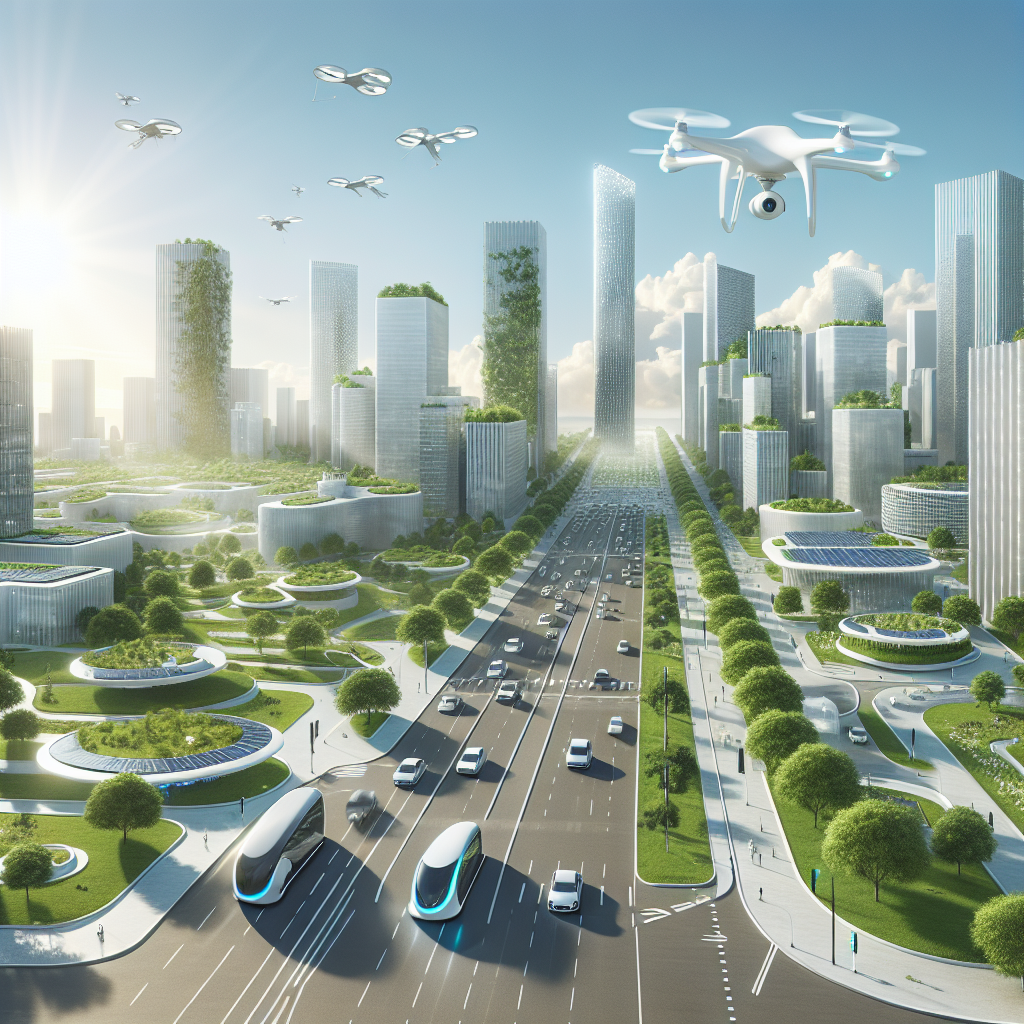
Embracing Sustainable and Tech-Enhanced Travel in 2026
As we step into 2026, the travel landscape is undergoing a remarkable transformation. Travelers are increasingly seeking experiences that not only minimize environmental impact but also leverage cutting-edge technology to enhance their journeys. This fusion of sustainability and innovation is reshaping how we explore the world.
Wellness-Focused Experiences in Eco-Conscious Settings
The wellness tourism industry is experiencing a significant shift. Beyond traditional spa retreats, travelers are now seeking immersive experiences that rejuvenate both the mind and the environment. Carbon-neutral wellness retreats powered by renewable energy are gaining popularity, offering activities like forest bathing and meditation retreats that support reforestation projects and habitat protection. Luxury accommodations are responding with regenerative agriculture programs, zero-waste spa treatments, and even “sleep tourism,” where eco-lodges built around circadian wellness help travelers reconnect with their bodies while maintaining minimal environmental impact. This trend reflects a growing desire to harmonize personal well-being with ecological responsibility.
Nature-Driven Adventures with Conservation Impacts
For those seeking adventure, “conservation adventures” are on the rise. These trips allow travelers to participate in wildlife monitoring or marine research in remote destinations, combining the thrill of exploration with meaningful contributions to environmental preservation. Such experiences not only provide unique insights into diverse ecosystems but also foster a deeper connection to the natural world, encouraging sustainable practices among participants. This trend underscores a collective shift towards responsible tourism that prioritizes conservation and community engagement.
Community-Centered, Authentic Tourism
Modern travelers are increasingly interested in authentic cultural experiences that benefit local communities. Opting for community-owned luxury accommodations and participating in workshops led by local artisans and community leaders ensures that tourism revenue directly supports residents. This approach fosters genuine cultural exchange and helps preserve traditional crafts and practices. By choosing such experiences, travelers contribute to the economic and social well-being of the communities they visit, promoting sustainable tourism that is both enriching and responsible.
Digital Integration to Boost Sustainable Choices
The integration of digital tools is revolutionizing sustainable travel. Apps and platforms now offer real-time sustainability scoring for accommodations and carbon footprint tracking with AI-powered offset recommendations. These technologies empower travelers to make informed decisions that align with their environmental values, enhancing the overall travel experience. By leveraging such tools, travelers can seamlessly incorporate sustainability into their itineraries, making eco-friendly choices more accessible and convenient.
AI-Powered Travel Planning and Personalization
Artificial intelligence is becoming an indispensable tool in travel planning. AI-powered travel designers can assemble itineraries in seconds, predicting ideal redemption choices and booking moments, and even anticipating disruptions to trigger intelligent rebooking. This level of personalization ensures that each journey is tailored to individual preferences, enhancing convenience and satisfaction. As AI continues to evolve, its role in creating customized travel experiences is set to expand, offering travelers unprecedented levels of personalization and efficiency.
Immersive Reality Enhancing Travel Experiences
Virtual and augmented reality technologies are transforming both pre-trip planning and in-destination experiences. AR navigation overlays provide real-time cultural and historical context as travelers explore, while VR “try before you fly” experiences allow immersive destination sampling. Mixed reality tours guided by historical figures or local experts offer deeper engagement with destinations. These innovations enrich the travel experience, making it more interactive and informative, and help travelers connect with destinations in meaningful ways.
Contactless and Seamless Travel Experiences
Advancements in biometric technologies are streamlining travel processes. Automated border control eGates using facial recognition, fingerprints, or iris scans expedite identity verification, reducing wait times and enhancing security. Digital identity frameworks, including mobile boarding passes and self-service kiosks, allow travelers to manage check-ins, security screenings, and payments with minimal physical interaction. These contactless solutions not only improve efficiency but also contribute to a safer and more convenient travel experience.
Low-Impact and Environmentally Conscious Travel
Travelers are increasingly seeking options that minimize environmental impact and support local communities. Low-impact travel, silent tourism, and slow tourism are gaining traction as visitors look for meaningful experiences that leave a smaller ecological footprint. This shift reflects a broader movement towards responsible tourism that prioritizes sustainability and community engagement. By choosing such travel options, individuals contribute to the preservation of natural environments and the well-being of local populations.
In conclusion, 2026 marks a pivotal year in the evolution of travel, where sustainability and technology converge to create more responsible and personalized experiences. By embracing these trends, travelers can embark on journeys that are not only enriching but also contribute positively to the world around them.
Social Media Post:
Discover how 2026 is reshaping travel with sustainable practices and cutting-edge tech! From eco-friendly adventures to AI-powered planning, explore the future of exploration. #SustainableTravel #TechInTravel #2026TravelTrends